Torx screws with nylon patch combine a matched Torx tool interface with a prevailing-torque thread-locking feature for meter assemblies. The nylon patch adds friction after it engages the mating thread; it does not replace the installation method that creates joint preload or prove performance in every vibration and temperature condition.
A Torx drive provides a defined tool interface, while a nylon patch creates a prevailing-torque feature once the patch engages the mating thread. Together, those features can suit a meter cover, terminal, or enclosure joint when the actual thread interface and installation method have been defined.
Prevailing torque and preload are separate concepts. NASA-STD-5020 defines prevailing torque as resistance to rotation from a locking feature, independent of preload; preload still depends on the controlled installation of the complete joint.
That distinction matters in sourcing. A buyer should ask both “Which drive and patch are required?” and “How will the assembly define and verify the installed joint?”
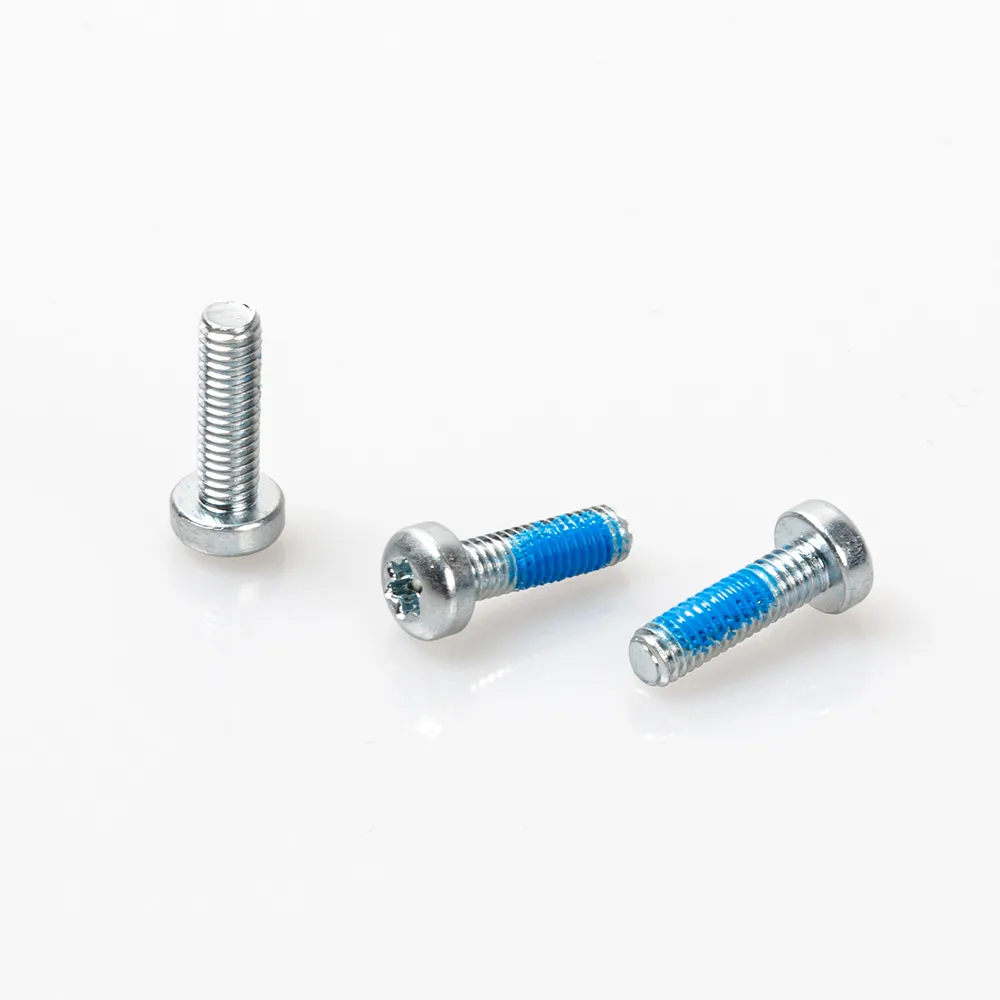
Torx pan-head screw image from the TNHO media library; use the final head style and patch requirement only after checking the assembly drawing.
When the coated portion engages the mating thread, the nylon compresses and creates a wedge-like interface. Bossard’s technical explanation describes this as eliminating axial play and creating metal-to-metal contact opposite the compressed patch.
The result is additional resistance to relative rotation. It is useful language for choosing a prevailing-torque feature, but it is not a license to claim a specific lock torque or vibration result for an untested meter joint.
A thread-locking patch adds running torque during engagement. The assembly still needs the correct driver, a defined installation process, and a joint requirement that accounts for the cover, terminal, or enclosure material.
Patch formulation, coating location, thread tolerance, engagement length, mating material, driving speed, and environment can change behavior. MIL-DTL-18240F explicitly notes that prevailing-torque values can vary when service conditions differ from the test conditions.
From the field: A vibration-related question describes mounting screws that “come loose” and asks which locking method is appropriate. That wording shows why the complete joint, rather than a patch name alone, must be evaluated. — Engineering Stack Exchange discussion
Correct Torx engagement gives the assembler a defined tool-to-drive interface. It does not authorize uncontrolled tightening: a wrong bit, incomplete seating, or an undefined torque method can damage the drive or produce inconsistent assembly results.
The practical instruction is to match the specified Torx size, seat the bit fully, and follow the assembly owner’s tightening method. An Engineering Stack Exchange answer on Torx and other screw drives makes the same useful distinction: “as much as I can” is not a torque specification.
| Element | Role in the meter joint | What must be confirmed |
|---|---|---|
| Torx drive | Tool engagement and controlled access where a security version is specified | Matching bit and drive geometry |
| Nylon patch | Prevailing torque after the patch engages | Patch requirement, engagement, and mating thread |
| Installation method | Creates the intended joint preload | Defined torque, angle, or other validated method |
| Head style | Supports the cover, terminal, or enclosure surface | Pan, flange, or cap clearance and bearing area |
Selection begins with the joint, not with a generic promise about vibration. Specify the mating thread and cover stack first, then confirm whether a nylon-patch option matches the service environment and maintenance plan.
| Joint condition | Why it matters | Buyer action |
|---|---|---|
| Thread engagement | The patch must engage the mating thread to create prevailing torque | Provide thread size, pitch, and engagement length |
| Mating material | Thread tolerance and material affect the interface | Identify the receiving feature and finish |
| Service temperature | Patch limits depend on the formulation | State the temperature exposure; do not assume a generic limit |
| Service cycles | Reinstallation can change prevailing torque | State maintenance and reuse expectations |
| Joint location | Cover, terminal, and enclosure joints have different geometry | Provide the drawing and head-clearance need |
| Assembly control | Tool fit and installation method affect the installed joint | Define the Torx bit and tightening process |
Important: A nylon patch is a locking feature, not a stand-alone safety, certification, or approval claim. For a critical meter joint, validate the specified fastener in the actual mating thread and application conditions. NASA’s threaded-fastening guidance separates locking resistance from preload control.
For a meter project that needs a Security Torx drive and an optional locking-patch feature, review the listed Torx screw options with an optional nylon patch. The current TNHO product page lists Security Torx drive, an optional blue nylon patch, pan, flange, and cylindrical cap head styles, plus M3×10, M4×10, and M6×14 standard sizes.
The page also lists 304 stainless steel and zinc-plated carbon steel as material options. Those entries start the product discussion; they do not confirm a particular material, patch coverage, temperature range, prevailing torque, or qualification for an individual meter design.
Use the electric meter fastener guides to compare the available fastening context before settling on a head style. A terminal-specific design should also be checked against the electrical terminal fastener selection guide.
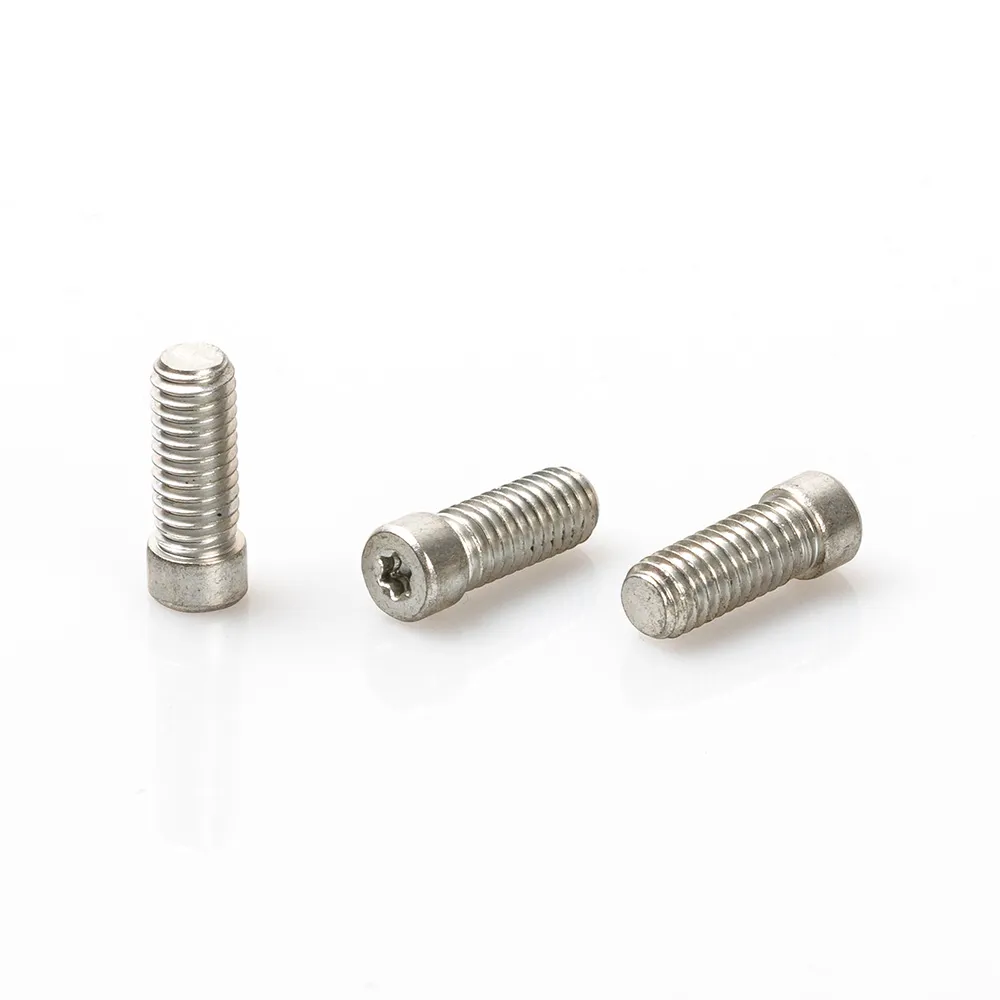
Torx terminal-screw image from the TNHO media library; flat-head clearance and terminal use must be confirmed against the specific assembly.
A nylon-patch option fits a joint only when the mating thread, thread engagement, service conditions, assembly method, and validation requirement are known. It is not a blanket solution for unknown vibration, high-temperature exposure, frequent reuse, damaged threads, or an assembly that lacks a defined preload method.
If the project needs a particular retention result, a certification, or a measured torque window, request the applicable product evidence and test plan before making that claim in a drawing or purchase order. The ND Patch technical overview illustrates why coating requirements and test conditions must be stated rather than inferred.
An access-control requirement also needs its own decision. Security Torx, standard Torx, and triangular drives are different choices; select the drive that matches the service-tool policy instead of treating a nylon patch as an access-control device.
Send enough joint information for a supplier to evaluate the required thread-locking feature and screw form. A complete request normally includes:
The products page provides the broader TNHO range. Use the contact page to provide the drawing and joint details needed for an application-specific review rather than requesting a generic anti-loose claim.
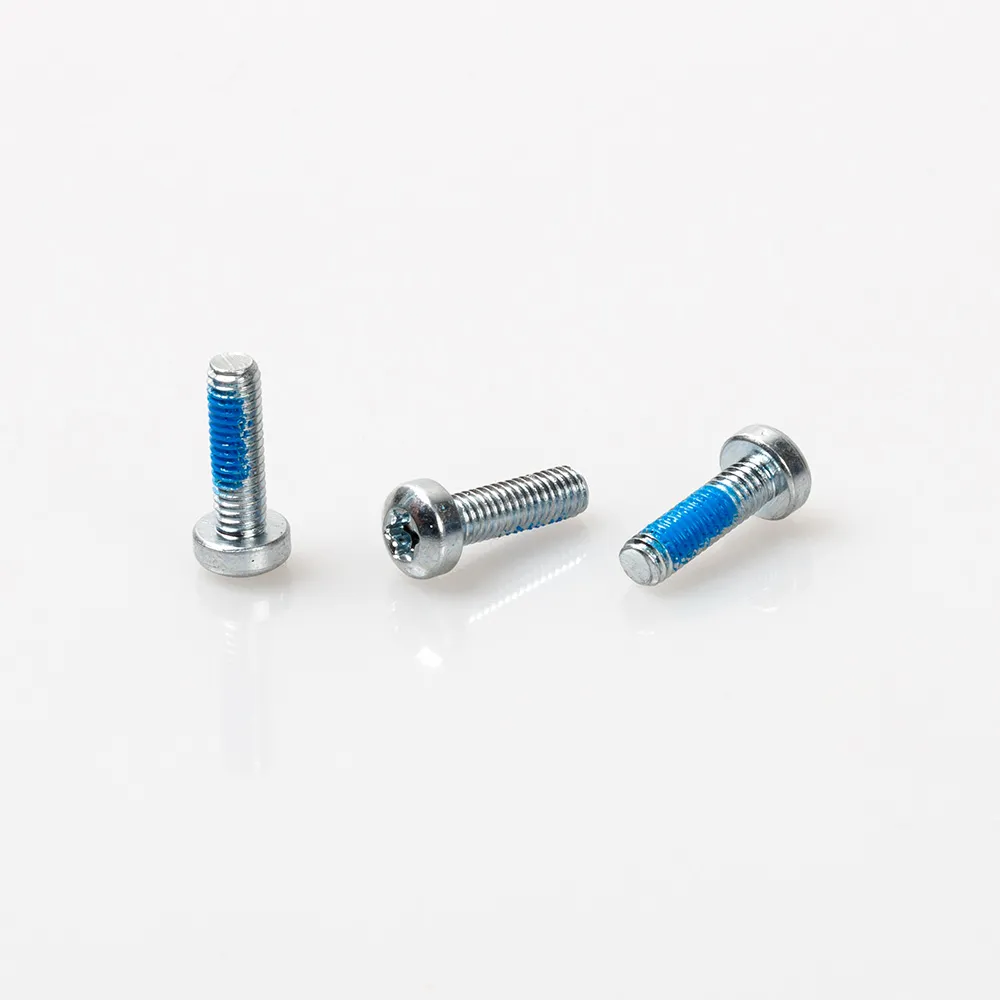
Torx socket-cap image from the TNHO media library; the final head choice depends on the required access, clearance, and joint drawing.
A nylon patch creates prevailing torque by compressing against the mating thread after engagement. It adds resistance to rotation but does not replace the installation method that establishes joint preload.
No. The patch contributes friction in the thread, while the assembly procedure must still specify how the joint is tightened and verified.
Torx provides a defined driver interface when the matching bit is used. The correct drive can support controlled assembly, but the exact tool and tightening method must be specified for the joint.
Reuse depends on the patch design, remaining prevailing torque, service condition, and project requirement. Do not assign a reuse count to a specific product without its applicable evidence.
Temperature capability depends on the particular patch formulation and joint conditions. State the service temperature and request product-specific confirmation instead of applying a generic nylon limit.
No. Confirm the mating thread, engagement length, head clearance, drive requirement, environment, and installation method before selecting the screw.
Include the assembly drawing, mating-thread details, head style, Torx tool requirement, patch requirement, service conditions, installation method, quantity, and any validation need.

 TNHO
TNHO 


