Triangular security screws for meter covers should be selected by confirming the actual drive geometry, the matching driver, the authorized-service plan, and the cover joint. A triangle drive can restrict routine access because ordinary screwdrivers do not engage it, but the drive alone does not define joint strength or guarantee that a cover cannot be opened.
Start with the access model, not the name of the screw. Decide who is permitted to remove the cover, whether that person will have a controlled driver, and whether the cover must be opened again during inspection or replacement.
A triangular recess or head requires a matching triangle tool. That less-common tool can limit routine access, which is why unusual drives appear on covers and enclosures. It does not replace the required thread engagement, head support, installation method, or joint validation.
Before choosing a drive, collect a clear head photo, a side view, the cover drawing, and a physical sample when possible. These inputs prevent a buyer from ordering a triangle bit for a different three-lobed pattern.
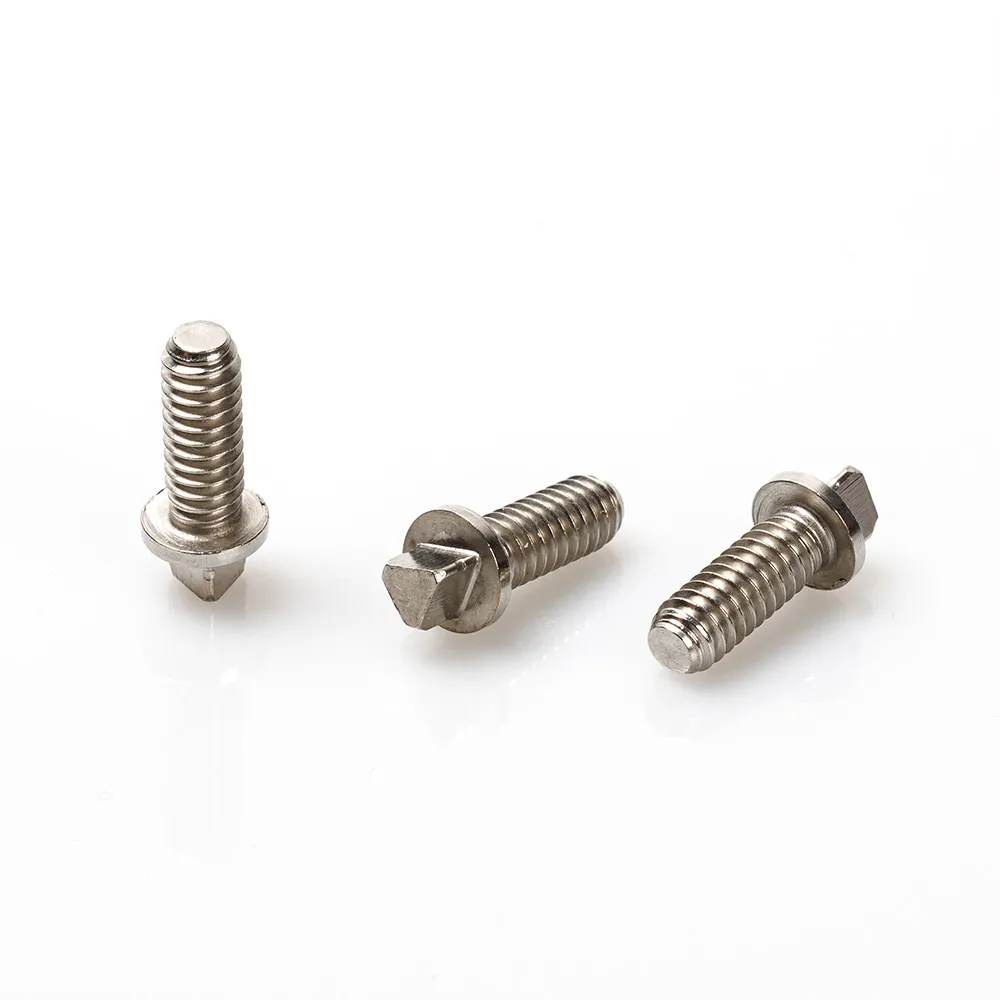
Triangular security screw image from the TNHO media library; confirm the exact drive geometry against the cover drawing and service-tool requirement.
Three-sided or three-lobed shapes are easy to misidentify in a small, worn, or recessed head. A triangle drive has straight-sided triangular engagement, while Tri-Wing and Torx use different lobe geometries and demand different tooling.
The practical test is simple: identify the drive from a clean close-up and confirm the tool against the sample before production assembly. The triangle-bit catalog terminology is useful for discussing a triangle drive, but a catalog label is not a substitute for checking the exact part.
| Drive style | What the buyer should verify | Service implication |
|---|---|---|
| Triangle | Straight triangular recess or matching external triangle head | Requires a matching triangle driver |
| Tri-Wing | Three wing-like slots rather than straight triangle sides | Requires a Tri-Wing driver, not a triangle bit |
| Torx / Security Torx | Six-lobe star geometry; security versions can add a center feature | Requires the specified Torx tool |
| One-way | Directional drive form | Routine removal may be unsuitable for planned service |
From the field: “I’ve tried to identify a type of tamper-resistant screw” captures a common service problem: an unusual drive must be identified before a tool is ordered. — Engineering Stack Exchange discussion
For broader cover and sealing context, see TNHO’s meter sealing screw guide. Use it as related reading, not as a replacement for a drawing-level drive check.
Match the driver to the screw’s actual engagement geometry before defining an assembly work instruction. The triangle-versus-Tri-Wing guide illustrates why the two shapes must not be treated as the same tool interface.
Use a sample or controlled gauge check to confirm that the tool seats fully and does not rock. A tool that touches only the edges can damage the drive, make later authorized service harder, and blur the distinction between a tool mismatch and a screw-quality issue.
The screw supplier or assembly owner should document the selected driver alongside the fastener drawing. If a cover design needs a particular service tool, include that requirement in the drawing notes rather than expecting the drive name alone to communicate all geometry.
Tool control answers who can access the fastener. Joint torque answers how the cover is assembled. Treating those as one decision can produce a special drive that still lacks a verified tightening method for the actual cover stack.
Unlike a commodity cover screw, a meter-cover security fastener needs a service and joint decision at the same time. The following checklist helps a buyer turn a drive preference into a usable specification.
| Selection factor | Buyer question | Procurement impact |
|---|---|---|
| Authorized service | Who retains the matching driver? | Defines tooling and replacement access |
| Cover geometry | Is the head recessed, flanged, or exposed? | Determines head clearance and bearing surface |
| Thread interface | What thread diameter, pitch, and engagement are designed? | Prevents a drive-only specification |
| Joint demand | What tightening method and torque requirement apply? | Requires an engineering-controlled instruction |
| Environment | Will moisture, contamination, or outdoor exposure affect the joint? | Calls for material and finish confirmation |
| Maintenance | Is non-destructive removal required? | Rules out unsuitable permanent approaches |
Important: A security drive is not a certification, approval, or universal anti-tamper result. Joint performance depends on the cover design, fastener, installation method, and the conditions the assembly owner has validated. NASA’s threaded-fastening standard likewise distinguishes locking features and preload control from a fastener head style.
For a meter-cover design that specifies a triangular drive and controlled service access, review the listed triangular security screw options for meter covers. The current TNHO product page states a triangular drive and lists M6×17 and M6×27 sizes, 304 stainless steel, and an integrated flange washer for that product record.
Those details help begin a fit review; they do not establish that every cover accepts those sizes or that another triangular fastener has the same material or flange construction. Confirm thread engagement, head clearance, cover material, and the mating feature against the actual assembly drawing.
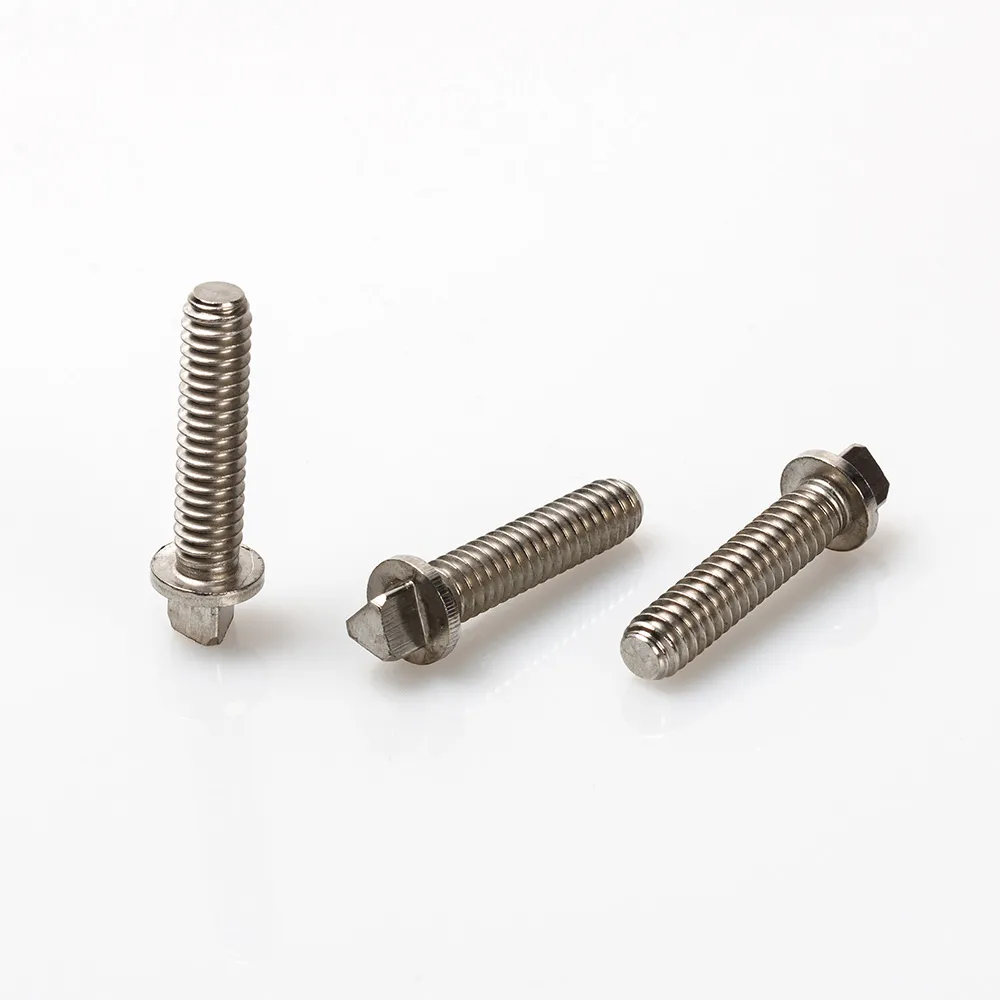
Triangular security screw image from the TNHO media library; confirm head clearance and bearing area against the actual meter-cover assembly.
A triangle drive is a fit when the organization controls the driver and needs a removable cover fastener with a non-standard access point. It is less suitable when field service requires common tools, when the drive cannot be confirmed from the sample, or when the joint demand exceeds the available evidence.
The drive should not be used to imply that an assembly meets a particular utility rule or that unauthorized removal is impossible. Where cover retention, vibration, corrosion, or safety is critical, the assembly owner should specify and validate the complete joint rather than relying on the drive shape.
For a broader product-line starting point, visit electric meter fasteners and compare the drive with the cover’s intended service process.
A useful RFQ lets the supplier verify the fastener against the cover instead of quoting from a drive name alone. Send the following information with the inquiry:
The TNHO products page shows the wider fastener range, while the contact team can use a cover drawing and sample to discuss the suitable product scope. Include the tool requirement in the same request so service access is not left to assumption.
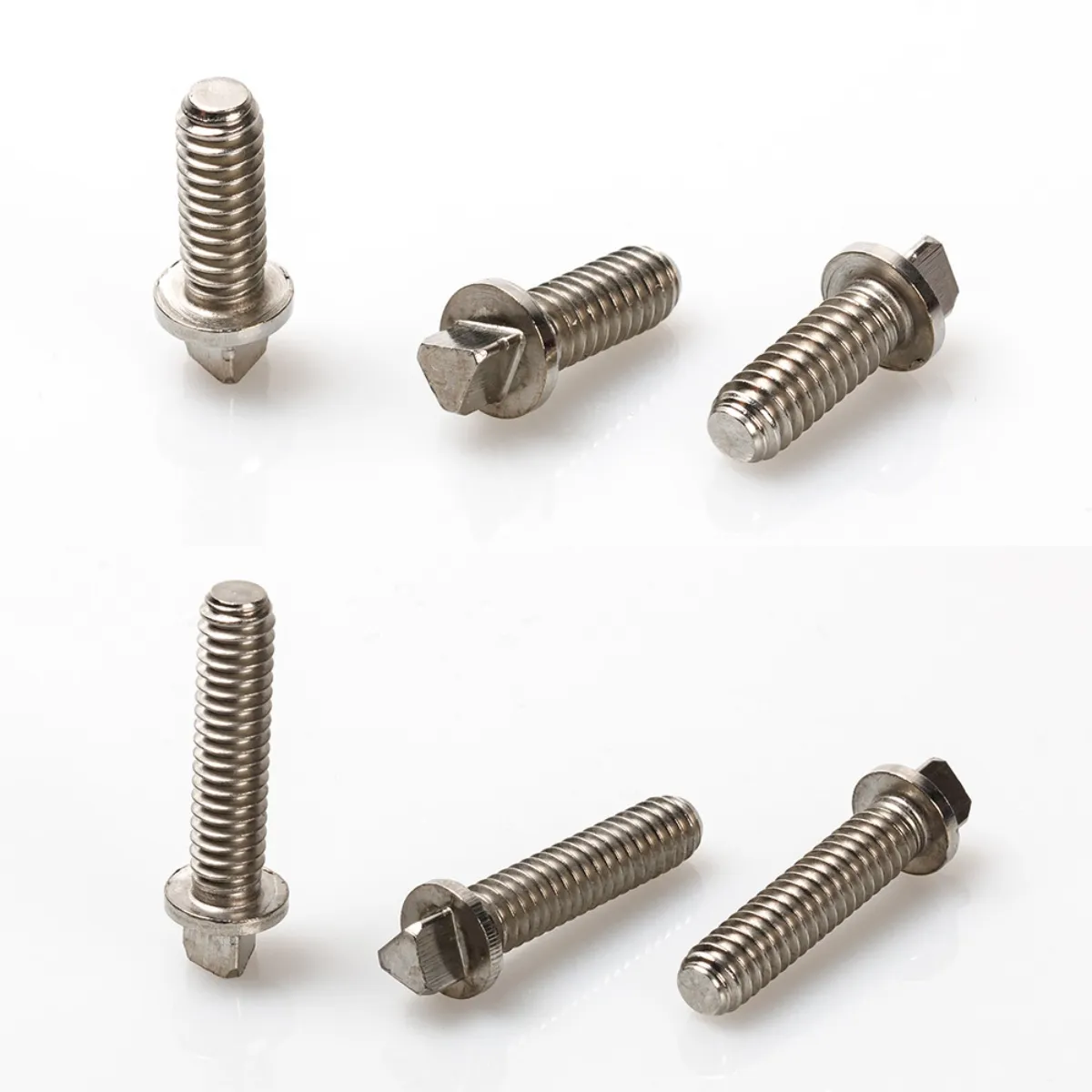
Triangular security screws from the TNHO media library; use the product drawing and service-tool requirement to confirm the final configuration.
A triangular security screw uses a triangle-shaped drive that needs a matching triangle tool. The unusual tool interface can control routine access, but it does not prove a particular level of tamper resistance for every application.
A correctly matched triangle driver or bit fits the drive. Confirm the exact geometry on a sample because a triangle drive, Tri-Wing drive, and Torx drive are different tool interfaces.
No. A triangle drive uses straight triangular engagement, while Tri-Wing has a different three-wing form. Order a driver only after inspecting the actual fastener geometry.
Use the cover screw sample or the controlled drawing dimension to confirm the required tool. TA naming can help search for triangle bits, but the final selection must be checked for full engagement.
It can be serviceable when authorized personnel retain the correct tool and the assembly is designed for removal. Confirm the service policy and joint requirements before choosing a removable security drive.
No. It makes routine access more difficult by requiring a specific tool; it is not a universal prevention claim or a substitute for complete cover-joint engineering.
Include the cover drawing, existing sample, drive/tool requirement, thread details, head clearance, environment, installation requirement, and quantity. These details let the supplier evaluate fit rather than infer it from a generic product name.

 TNHO
TNHO 


