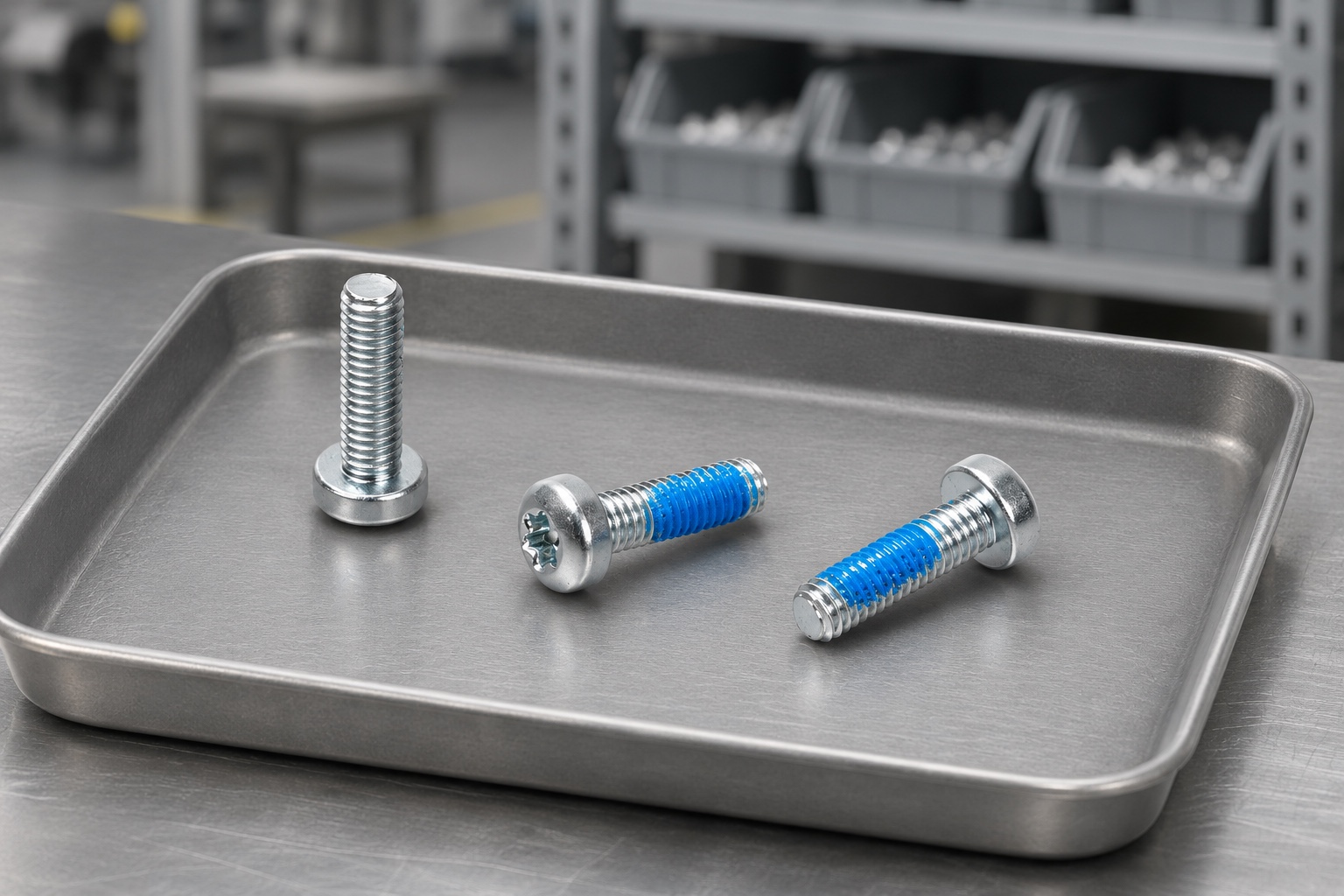
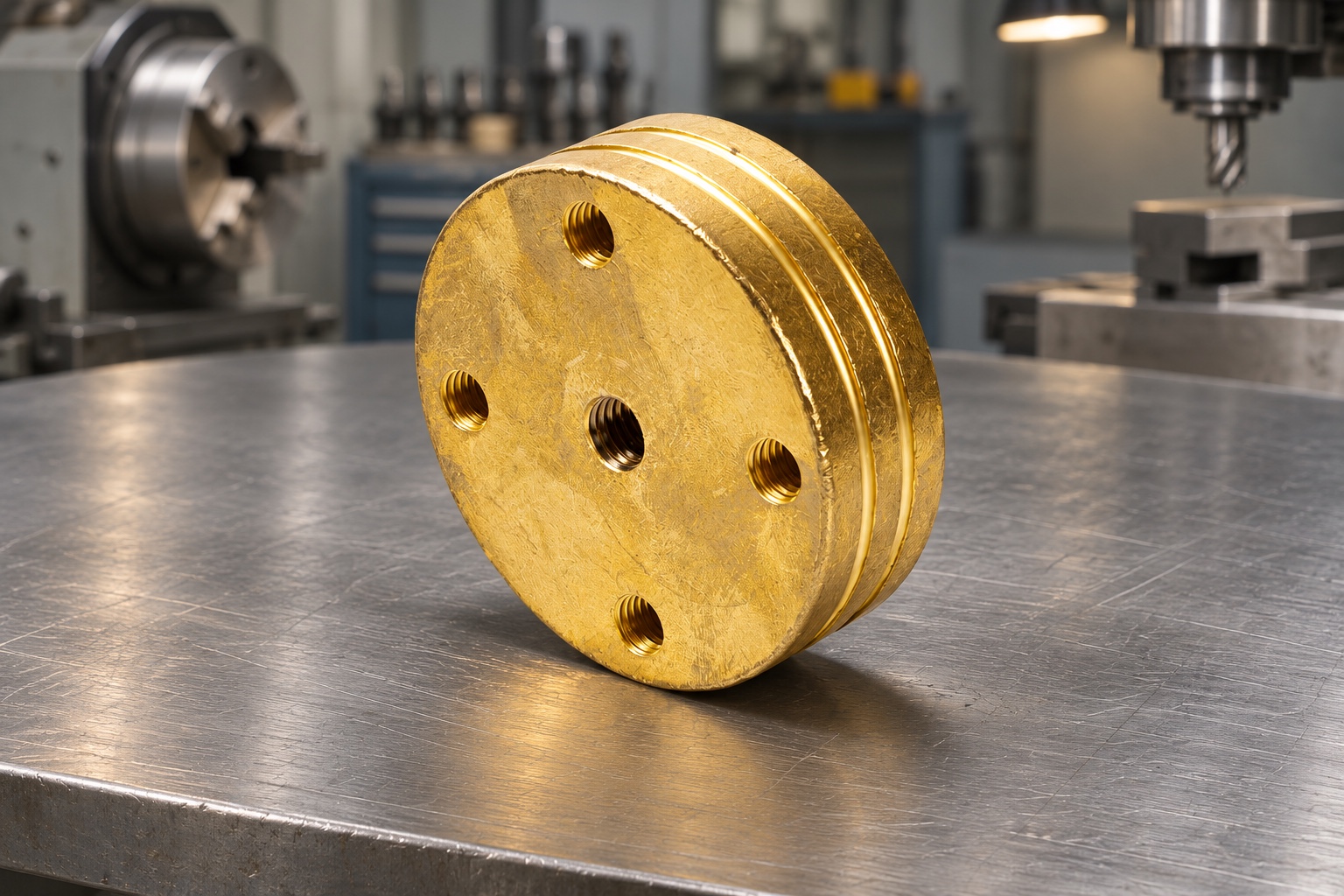
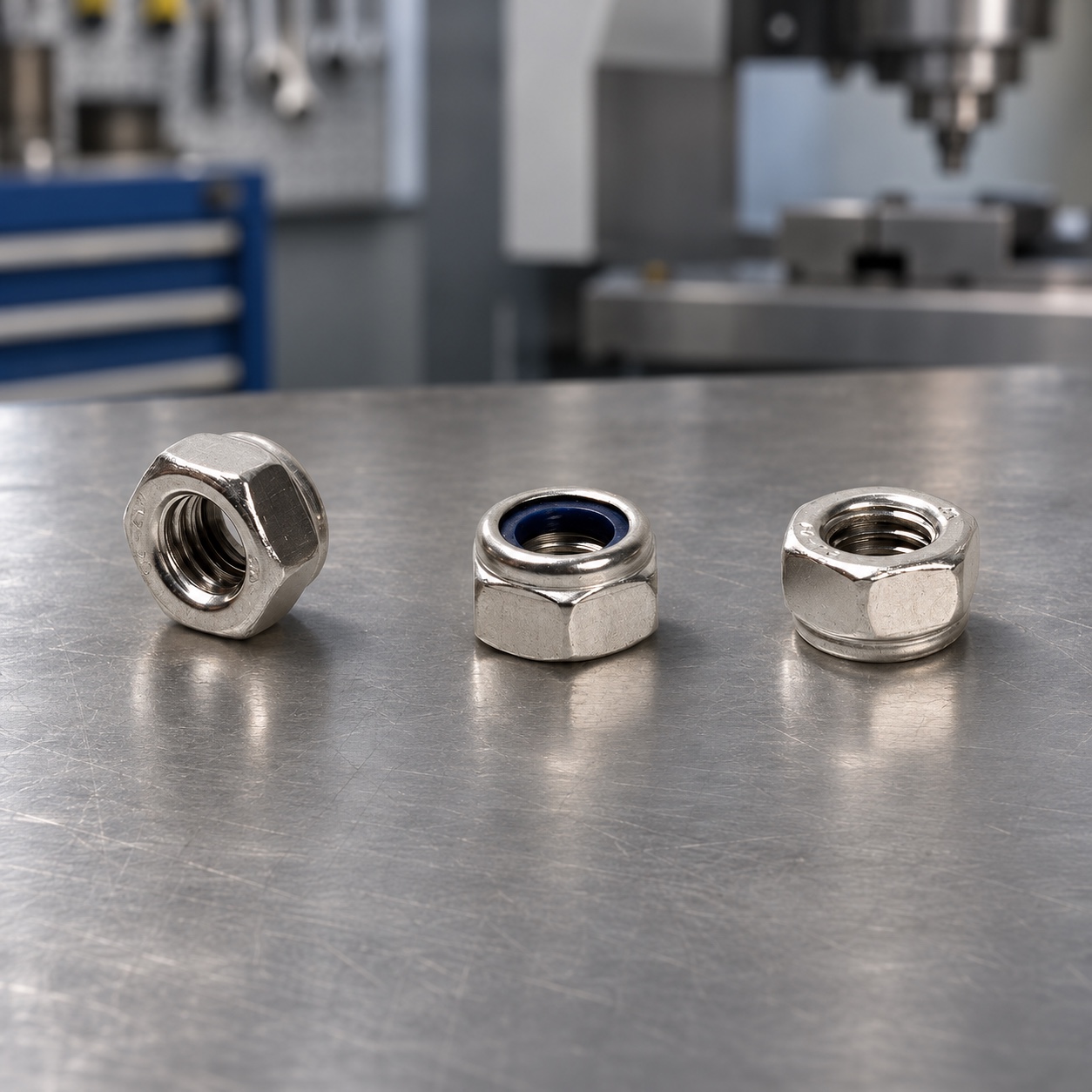
A blind knurled insert cleaning drying plan should identify the contaminant, the supplied material and finish, the internal geometry, and the final condition required before assembly. Define a compatible cleaning route and a method that can establish acceptable residue and dryness in the blind internal region. A clean-looking outside surface does not demonstrate that the bore is clear or dry. Keep cleaning approval separate from thread inspection and assembly acceptance. Do not select a solvent, heating condition, air pressure, or immersion process from a product photograph or a generic instruction to clean thoroughly.
The TNHO precision knurled insert family includes several sizes and external forms. This article uses the golden-colored elongated insert with a closed rounded end, an internally threaded opening at the opposite end, and three external knurled bands separated by circumferential reliefs. The source image labels it M10×45.
That label is not a complete process specification or a formal SKU. The visible color does not independently establish an alloy, plating, heat-treatment state, or chemical compatibility. Obtain the controlled drawing and supplied-condition requirements for the selected variant before choosing a cleaning process.
Keep this blind form distinct from a short through-thread insert or an open sleeve. Internal access and the route by which liquid or particles can leave the component may differ. Confirm the actual section and functional thread extent rather than assuming that every insert in the family can be processed the same way.
Describe the condition that prompted cleaning: loose particles, machining residue, handling transfer, packaging contamination, or another observed material. Establish whether a visible film is intentional protection or lubrication before treating it as unwanted contamination.
Record the original sample identity and appearance before processing. If a complaint concerns material inside the bore, distinguish what is actually visible from what is suspected. Preserve an unprocessed comparison sample where the evaluation requires one rather than cleaning all evidence before the cause is understood.
The NASA fastener procurement and storage standard record provides background on maintaining hardware identity and controlled storage. Its mission-hardware scope does not approve a cleaning recipe for this TNHO insert. Apply the product and application requirements to define the actual delivered and prepared condition.
Use the drawing to identify the opening, entry features, usable internal thread, blind end, and any relevant transitions. The deepest visible region in a photograph is not a dimensional definition of the bore or the functional thread. Obtain the section information needed to evaluate process access.
Consider how the selected process reaches the required internal surfaces and how contamination or process material is removed afterward. An exterior wipe can improve the appearance while leaving an internal question unanswered. Conversely, a process suitable for the bore may need a separate review for the knurled exterior and supplied finish.
Keep orientation and support part of the process definition. If a route depends on the opening facing a particular direction during transfer, drainage, or examination, record that condition. Do not assume that a tray arrangement used for a photograph represents the actual manufacturing or assembly preparation method.

The separated insert components in the illustration support identification and controlled handling. They do not depict immersion, chemical compatibility, residue acceptance, or a completed drying trial.
| Process question | Information to establish | Evidence before release |
|---|---|---|
| Product identity | Drawing, material, finish, variant, and lot | Selected component and supplied condition confirmed |
| Contaminant | Observed material and likely process history | Removal objective defined without unsupported diagnosis |
| Internal access | Actual bore and thread geometry | Method can address the required region |
| Cleaning route | Approved materials, equipment, and process conditions | Compatibility and route authorization available |
| Drying and removal | Relevant internal surfaces and final-condition requirement | Suitable verification method defined |
| Post-process acceptance | Thread, surface, cleanliness and application requirements | Required checks complete and traceable |
Use the table to make missing inputs visible. A process cannot be accepted against a requirement described only as visibly clean if the application needs a more specific internal condition. Establish the required evidence before treating a development trial as an approved production route.
Obtain approval for the cleaning materials and equipment used with the actual substrate and finish. Identify any intentional surface condition that the route must preserve. A treatment described as suitable for brass or steel in general is not automatically applicable to an unidentified finished insert.
Define relevant exposure, removal, and drying conditions through the approved process specification. This article intentionally provides no universal solvent, temperature, duration, pressure, or concentration. Those parameters require evidence for the actual part and application.
Keep material compatibility distinct from process effectiveness. A treatment can be acceptable for a surface yet fail to remove the identified contamination from the required internal region. The evaluation should address both questions rather than assuming that an approved chemical name establishes a complete process.
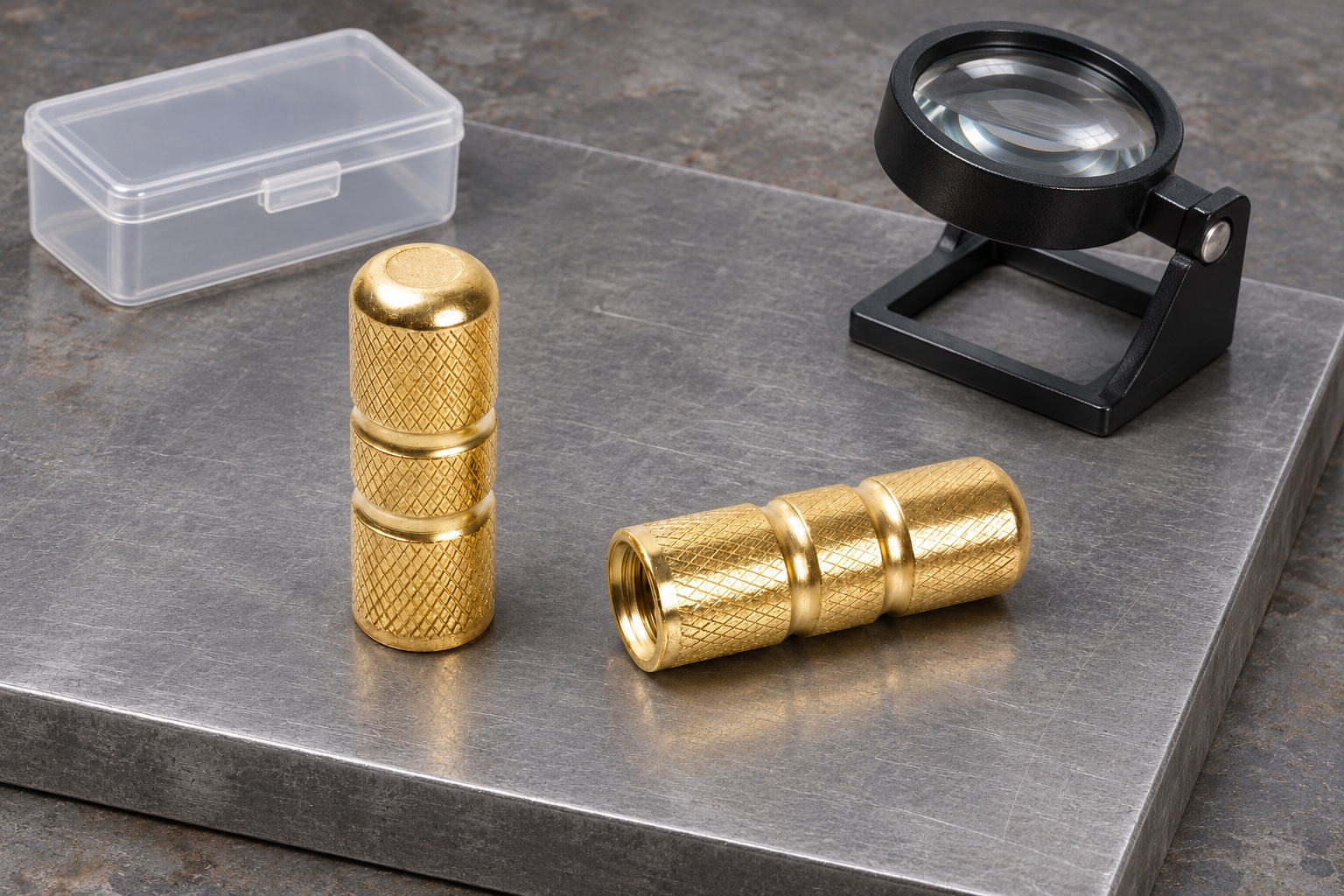
Select examination and measurement appropriate to the acceptance question. An external photograph or a magnifier beside the part cannot independently establish every internal residue or dryness requirement. Identify which regions the method can evaluate and record any limitation.
The NIST measurement uncertainty guidance provides background for evaluating confidence in reported results. Define the quantity or condition being assessed and the method used. A precise-looking record is not sufficient when the relevant internal feature has not been evaluated adequately.
Use any special or destructive examination through an approved sample and inspection plan. Keep the sample identity, processing history, method, and disposition together. Do not alter an accepted production component simply to obtain an easier view of its interior.
Cleaning can remove a contaminant without establishing thread conformity. Thread inspection can evaluate selected geometric or functional requirements without establishing a particular cleanliness condition. Keep those decisions distinguishable in the work instruction and record.
If a gauge or mating component is used, follow the applicable inspection method and preserve the specified part condition. A screw that starts or travels a short distance is not a general test that the blind bore is clean, dry, dimensionally correct, and suitable for the final assembly.
Do not chase the thread, scrape a transition, or machine the blind region as an informal cleaning step. Such actions can change the product geometry or finish and require an approved rework route and reinspection. A smoother-looking internal surface does not by itself establish restored conformity.
Use the actual insert variant, supplied finish, contamination condition, equipment, support arrangement, and process route intended for production. Record the drawing and process revisions. If a trial uses a substitute contaminant or a different finish, state that limitation explicitly.
Agree the acceptance checks before processing. Identify which observations establish removal, the required dry condition, thread acceptance, surface condition, and any other application requirement. Avoid collecting a convenient measurement and later treating it as proof of every objective.
Retain comparison evidence where required. If the route changes during development, keep the sample histories distinguishable. A successful result from a revised process should not be attributed to an earlier version that used different conditions or omitted a relevant step.
Define the container, handling method, storage condition, and transfer route between acceptance and assembly. A clean part can acquire contamination again if it is returned to an uncontrolled tray or mixed with unprocessed material. Keep processed and unprocessed inventory identifiable.
Review the actual replenishment arrangement at the assembly station. Protection should continue when the original shipping or process container is opened. Select contact materials and methods appropriate to the accepted finish and internal condition rather than introducing an unreviewed wipe, adhesive, or protective fluid.
If an issue is discovered later, retain the component and identify the preceding processing and handling stages. Separate a continuing contamination source from a one-time part condition. Recleaning every sample can conceal the original cause without demonstrating that the transfer route is controlled.
Provide the insert drawing, material and finish requirements, supplied condition, contamination concern, intended application, proposed processing route, and the evidence needed at acceptance. Identify which process parameters require supplier or engineering confirmation.
Ask the supplier to state assumptions and limitations before quoting a cleaning or preparation service. If a proposed route changes the surface or lubrication condition, review its effect on the downstream assembly process. Keep cleaning instructions connected to the actual component and joint requirements.
For wider context, read the threaded insert overview. The fastener cleanliness guide addresses broader contamination control, while fastener packaging requirements covers the supply and transfer route. This article focuses on the additional access and verification questions presented by a long blind insert.
The NPTEL lecture below introduces threaded-fastener geometry and function. It supports recognition of the internal-thread and assembly interfaces discussed here. It does not demonstrate a cleaning recipe, drying limit, or qualified process for the pictured insert.

No. Define the required internal condition and use a method capable of evaluating it. Exterior appearance alone cannot establish every residue, dryness, or thread requirement.
No. Confirm the actual material, finish, supplied condition, and approved process. Color and a source image label do not establish chemical compatibility or suitable exposure conditions.
It establishes only the observation made through the applicable fit or inspection method. Cleanliness, dryness, thread conformity, and final assembly suitability are separate acceptance questions.
No automatic approval follows from that description. Thread chasing changes a product feature and should be handled as authorized rework with the required reinspection and traceability.

 TNHO