Hex standoff end-orientation RFQ inputs should identify which end faces which component before a supplier is asked to interpret a familiar part shape. Preserve the current revision, end A, end B, accessible side, and approval owner in one evidence record.
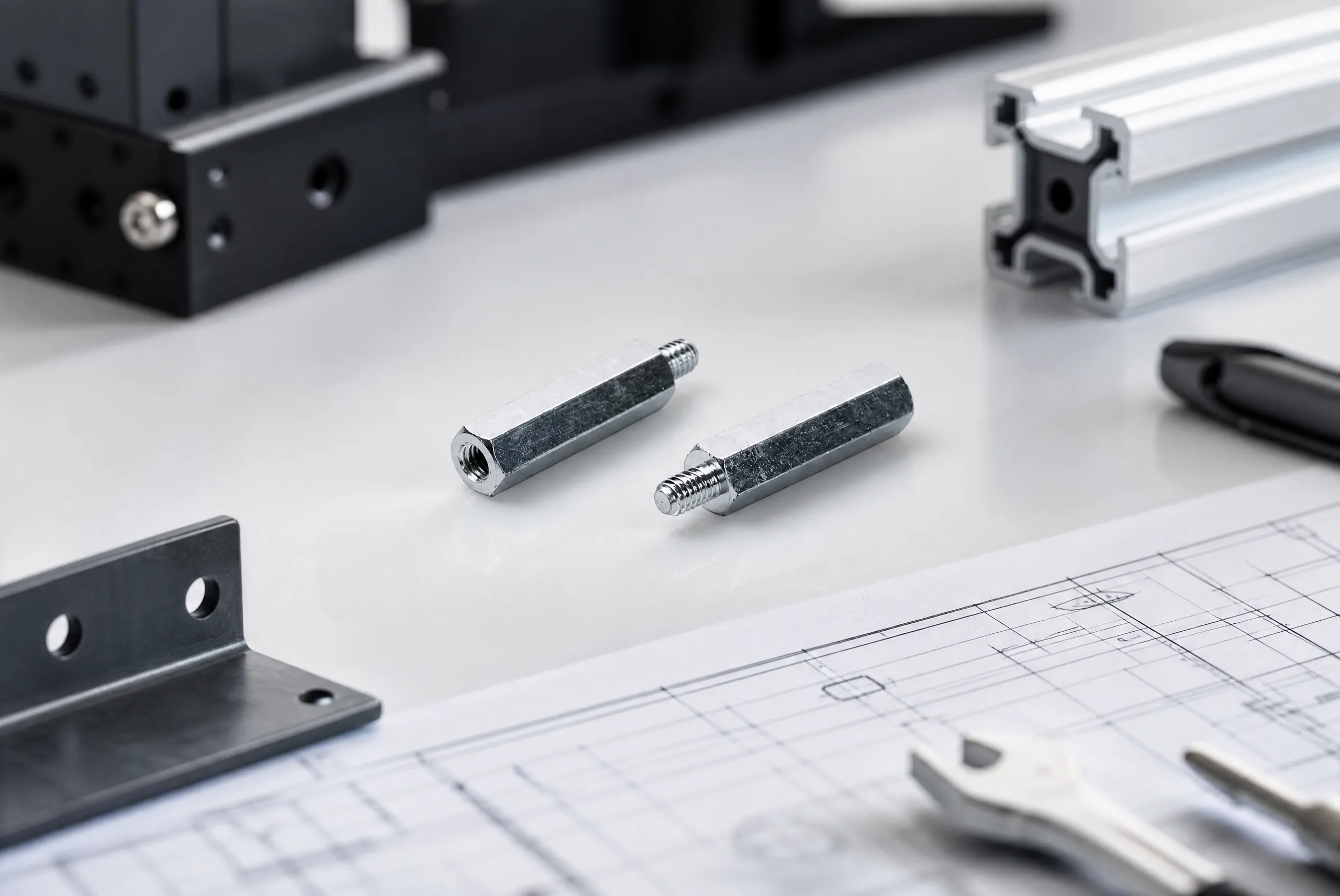
Start with the assembly view that makes the two ends distinguishable. Name the revision, the component beside each end, the installation direction, and the person who owns technical approval. A catalog label does not state which end is intended to face the controlled interface.
Record the assembly identifier, location reference, quantity range, and any unknown view. That keeps a quotation from silently converting a missing orientation decision into a supplier assumption.
Separate end A from end B in the RFQ. This lets every supplier respond against the same orientation evidence rather than relying on a photo without a direction mark.
| RFQ field | What to send with quote | Review purpose |
|---|---|---|
| Assembly drawing | Current view and revision | Names the governing source |
| End A condition | Adjacent component and orientation mark | Identifies one controlled interface |
| End B condition | Opposite component and orientation mark | Prevents an assumed reversal |
| Access view | Installation and service-side note | Keeps approach visible |
| Quantity scope | Quantity breaks and packaging | Aligns commercial replies |
| Acceptance owner | Named deviation reviewer | Separates quote from approval |
Treat that field list as an inquiry checklist only; it does not evidence an available material, thread, load, spacing, or electrical function.
A removed standoff can show a visible end feature, yet it may not represent the active assembly revision. Label each image with its source, date, direction, and known relationship to the drawing. Treat informal measurements as observations until the technical owner accepts them into a controlled record.
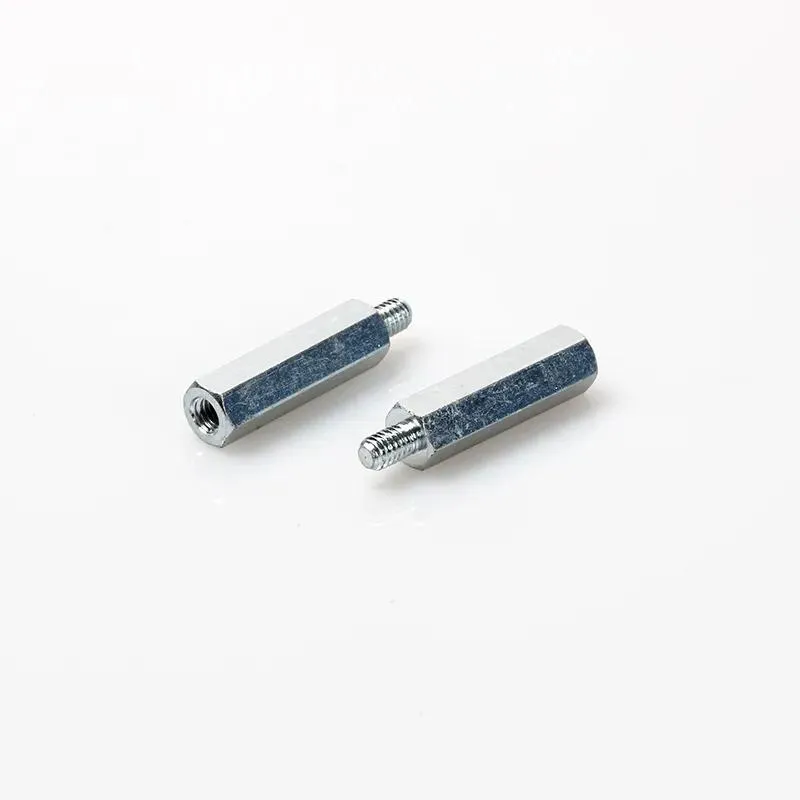
When the opposite side is hidden, state that fact and name the person who can provide the missing view. This makes uncertainty reviewable before commercial comparison begins.
Ask every respondent to cite the revision used, restate both end readings, and show any alternative in its own field. Commercial assumptions should sit beside the technical response. The related PCB standoff layout guide discusses layout clearance, not this end-orientation handoff.
| Response item | Supplier response requested | Buyer action |
|---|---|---|
| Source used | Revision and referenced view | Stop if sources differ |
| End A reading | Interface understood | Check against record |
| End B reading | Opposite interface understood | Escalate mismatch |
| Alternative | Changed feature and basis | Keep separate |
| Commercial scope | Quantity, packaging, timing | Compare aligned replies |
Keep clarifications with the revision. The record supports a controlled inquiry and does not authorize a production change.
This article does not establish electrical spacing, mechanical load, thread engagement, material behavior, corrosion, certification, compliance, or suitability for a particular assembly. Final acceptance needs product evidence and a validation method chosen by the assembly owner.
Important: Pause the RFQ if the assembly revision, either end condition, access view, or approval owner is missing. Record observed dimensions with explicit units so a photo note cannot be mistaken for a released requirement. NIST SI units
Use the TNHO hex standoff page to start a category discussion only after the orientation record is ready. It does not replace the controlled drawing or promise a specific configuration, fit, performance, certification, or delivery.
For an inquiry, send the end-orientation record through contact, including revision, both end views, access notes, quantity range, and unresolved items.
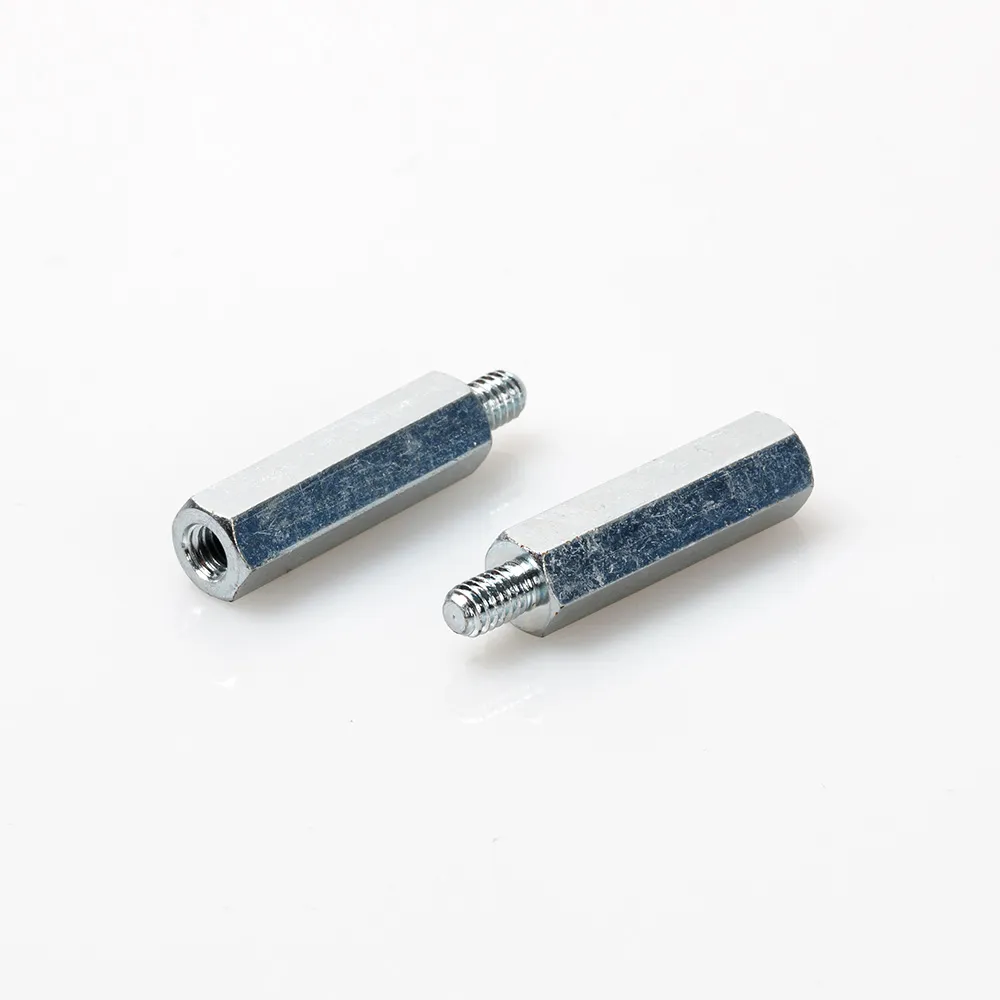
Include assembly revision, end A, end B, adjacent components, access view, quantity range, and acceptance owner.
No. A sample records an observation; the controlled assembly view defines the released request.
State both interfaces, direction marks, adjacent components, accessible side, hidden-side status, and open questions.
Require the changed feature and its basis in a separate row, then send it to the named technical owner.
No. It does not establish spacing, load, engagement, material behavior, compatibility, or compliance.
Use the TNHO hex-standoff route for navigation, then provide the controlled orientation record through contact.

 TNHO
TNHO 


