PCB Standoffs for Meter Layout should be selected from the confirmed assembly geometry, access condition, and controlled RFQ inputs. The component name alone does not establish compatibility, performance, or compliance for a particular electrical assembly.
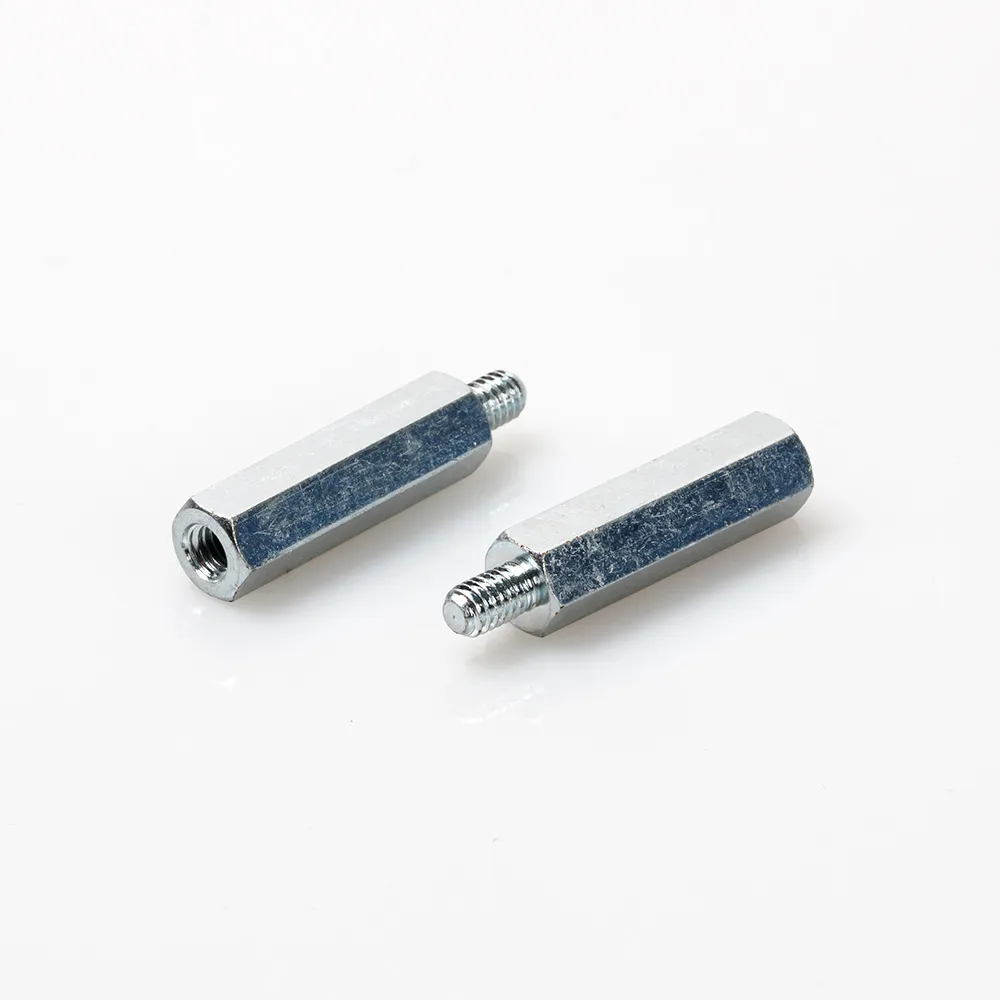
A PCB standoff should be selected from the documented board spacing, mating thread direction, clearance envelope, and service sequence rather than from its overall appearance. Start with the documented assembly function and the controlled drawing, not a product photograph or a generic part name. Identify the components being joined, the accessible side of the assembly, and the condition that the fastener must support.
Document board-to-panel spacing, thread direction, component clearance, stack-up dimensions, and service access before releasing the purchase request.
Confirm the available material thickness, hole or mating-feature geometry, clearance envelope, and the installation sequence. A pcb standoffs for meter layout request should distinguish a visible exterior requirement from an internal feature that affects fit or access. Those details prevent visually similar components from being treated as interchangeable.
Tie every requirement to the actual component stack-up and current drawing revision.
| Review input | Why it matters |
|—|—|
| Controlled drawing | Connects the pcb standoffs for meter layout callout to the assembly. |
| Mating geometry | Identifies clearance, fit, and process constraints. |
| Service and inspection plan | Defines how the completed assembly is checked. |
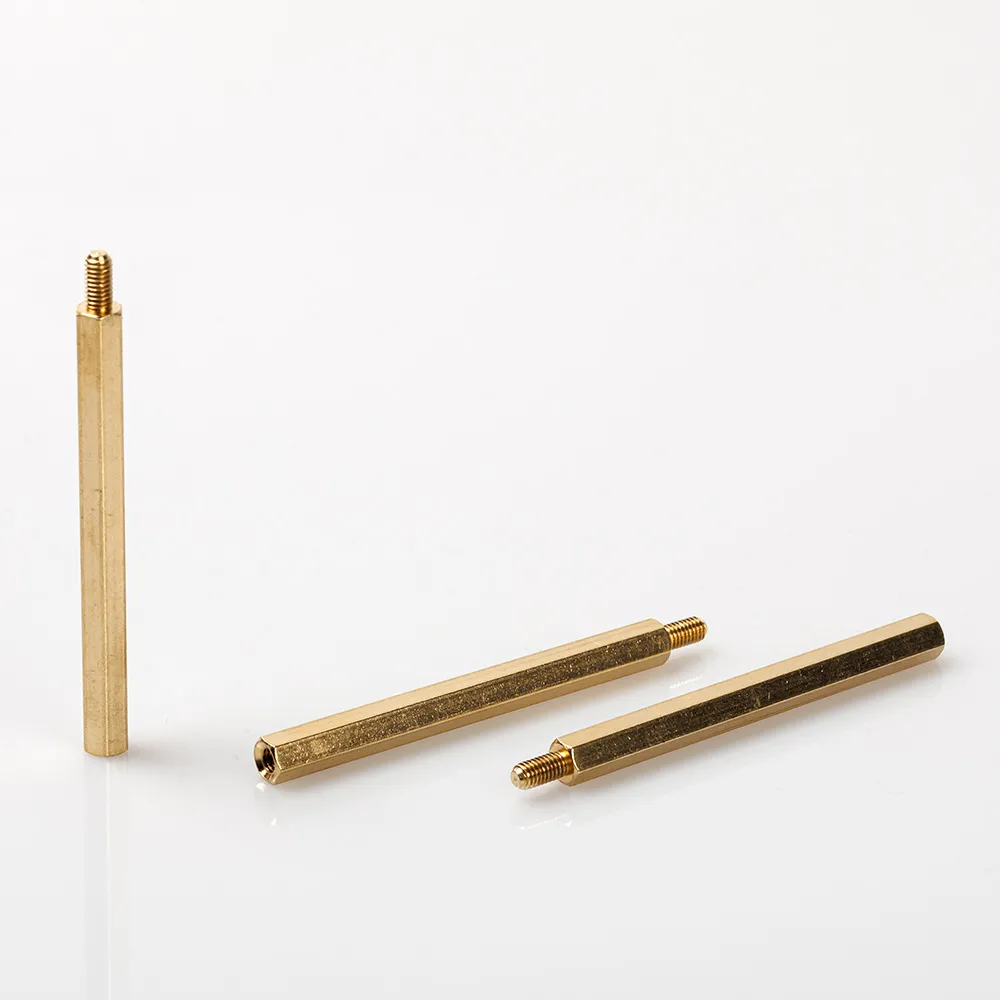
Review the approved process in the same order that production uses it. The drawing should show where the part enters the assembly, what tool or process engages it, and which surface is allowed to change. This is a selection question; it is not evidence of a particular load rating, material, or approval.
Record unknown inputs as open design questions instead of assuming a product feature.
Request the same revision, quantity breaks, dimensions, finish requirements, and inspection information from every supplier. Ask for deviations to be identified before a quotation is compared. This lets procurement compare controlled requirements rather than a collection of unnamed alternatives.
Use the assembly sequence to check whether the specified process remains accessible.
| RFQ input | Buyer should provide |
|—|—|
| Revision control | Current drawing number and revision. |
| Quantity information | Prototype, production, and forecast breaks. |
| Acceptance needs | Any defined inspection or documentation requirement. |
Do not assume this component solves sealing, electrical continuity, vibration, corrosion, or structural retention requirements. Where those functions matter, the system owner must specify the joint design, required validation, and acceptance criteria before product selection.
Keep product discovery separate from the approval of the completed joint.
Use the product page as a navigation point after the drawing and assembly inputs are defined. Check the product family against the controlled requirement, then provide the drawing, quantities, and critical interfaces for a technical quotation review.
A controlled RFQ allows a supplier to identify a mismatch before quotation.
For related product discovery, review the PCB Standoffs for Meter Layout product page and then send the controlled drawing. See also industrial fastener categories and Electrical Fasteners: Some Basic Information.
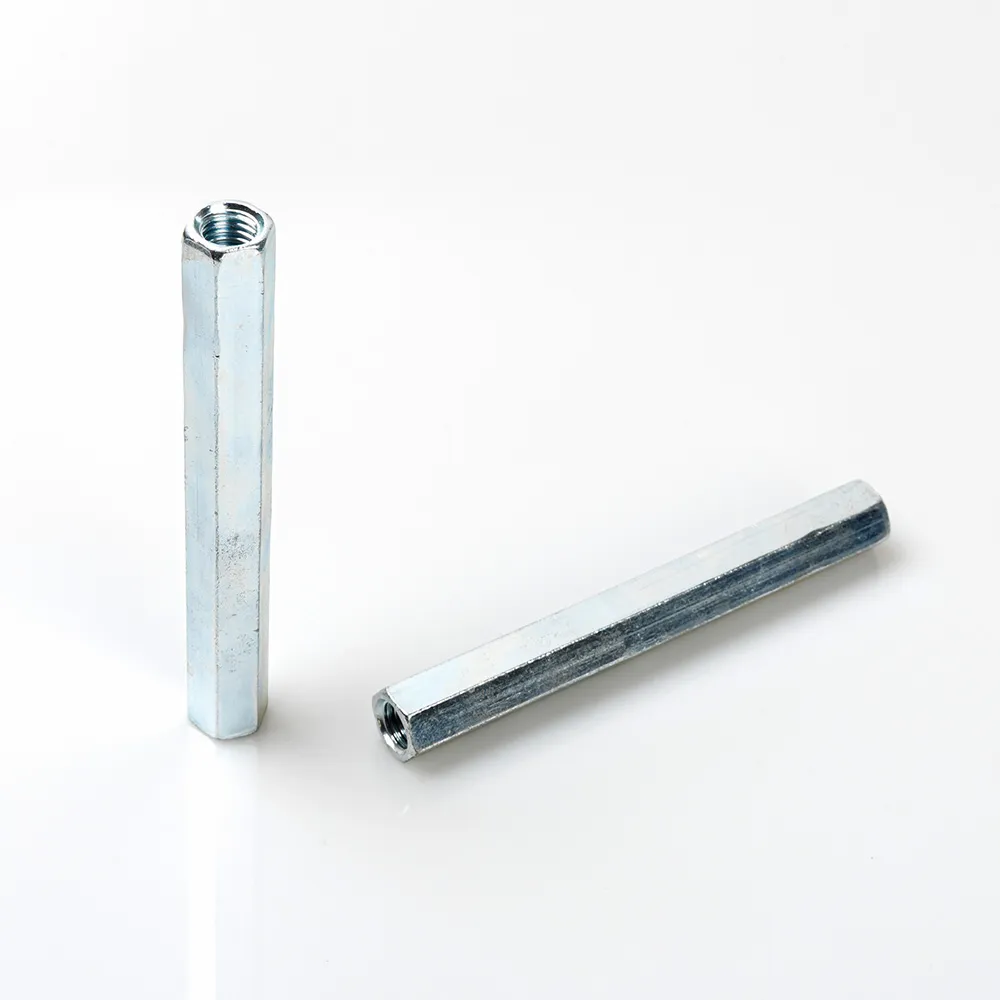
Confirm the current drawing, interfaces, available clearance, installation sequence, and required acceptance information.
No. An image can support product identification but does not establish the controlled geometry or assembly requirement.
Include the current revision, dimensions, mating details, quantities, and any defined inspection or packaging requirement.
No. Final suitability depends on the approved joint design and product-specific documentation.
Review it when loading, surface condition, service access, or another critical requirement is uncertain.
Use the contact route with the drawing and the relevant assembly details.

 TNHO
TNHO 


