Rivet nut panel-edge distance RFQ inputs should identify the controlled panel interface before a supplier infers a hole fit. Record the current revision, hole location, edge condition, access side, and approval owner.
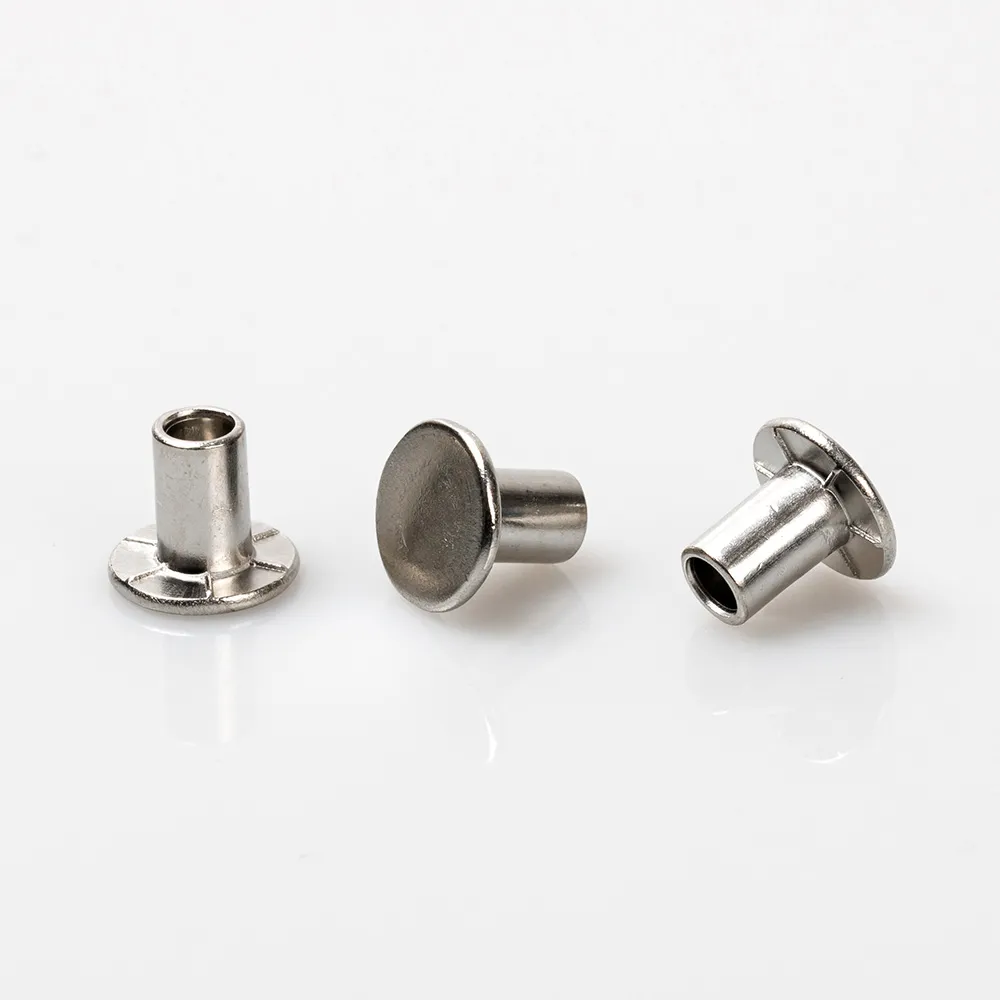
Start with the current panel drawing and fastening location. Identify the revision, hole callout, nearest edge or flange, joining parts, and installation side. A generic rivet-nut label does not define the next panel interface.
Record the assembly identifier, location reference, quantity range, and technical owner. If a removed sample is the only evidence, label it as an observation until the owner confirms its revision relationship.
Keep hole location and edge context in separate fields. Send the same register to every supplier.
| RFQ field | What to send with quote | Review purpose |
|---|---|---|
| Panel drawing | Current view and revision | Names the governing source |
| Hole callout | Location and preparation note | Keeps geometry explicit |
| Edge condition | Nearest edge, flange, or obstruction | Exposes the interface question |
| Access side | Installation and inspection side | Prevents hidden assumptions |
| Quantity scope | Breaks and packaging requirement | Aligns commercial replies |
| Acceptance owner | Named deviation reviewer | Separates quote from approval |
The register does not establish a size, grip range, material, installation process, or performance result.
A sample can show a previous installation, but it cannot recreate the current panel edge or hole preparation. Label each image with source, date, view direction, and revision context. Mark informal measurements as observations.
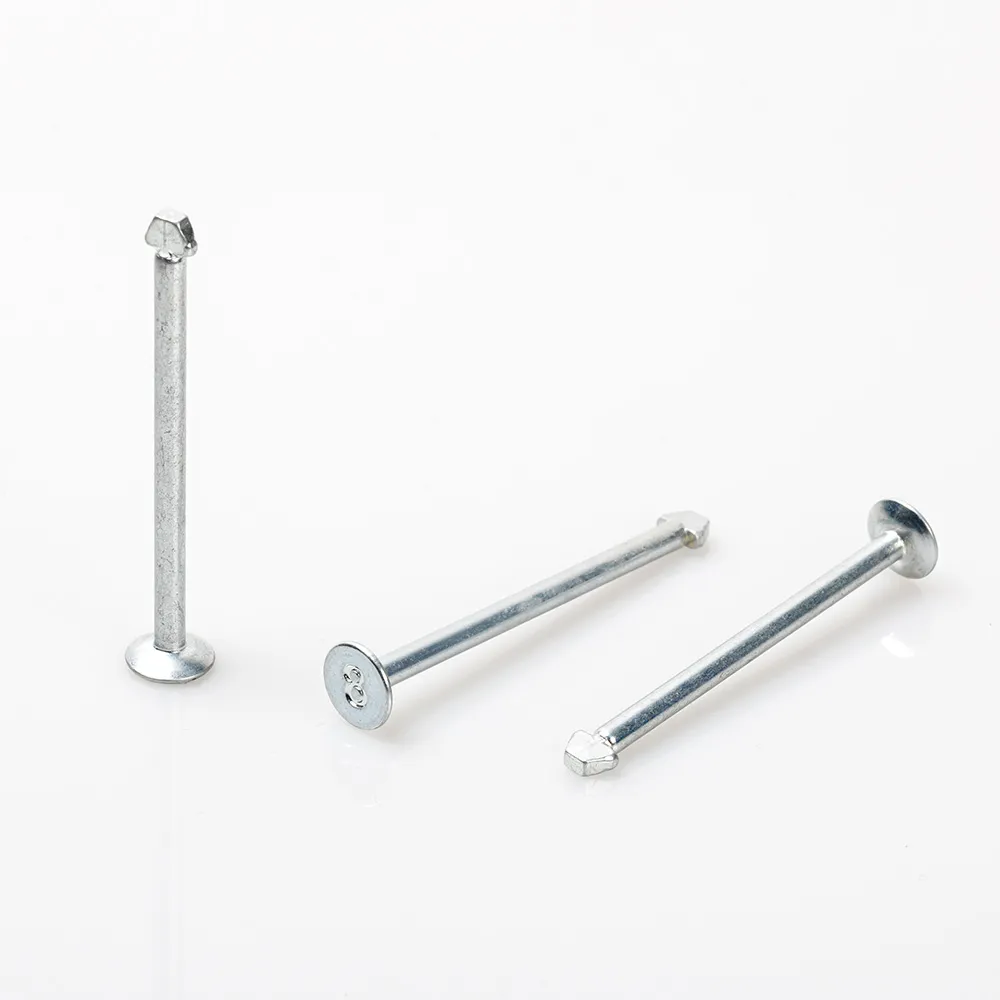
State the hidden-side status and identify who resolves a missing view. This keeps an unknown edge condition from becoming an unrecorded supplier assumption.
Ask each supplier to cite the revision, restate the edge condition, and list any changed feature separately. Keep commercial assumptions beside the technical response. The related blind-rivet grip-range guide covers a separate evidence question.
| Response item | Supplier response requested | Buyer action |
|---|---|---|
| Source used | Revision and referenced view | Stop if sources differ |
| Edge reading | Location and obstruction understood | Check against register |
| Access assumption | Installation and inspection side | Escalate conflicts |
| Alternative | Changed feature and basis | Keep separate |
| Commercial scope | Quantity, packaging, timing | Compare aligned replies |
Keep clarifications with the revision; this is an inquiry aid, not a production release.
This workflow does not prove installation, grip, pull-out, torque, corrosion, sealing, certification, compliance, or suitability for a specific panel.
Important: Pause the RFQ when panel revision, hole callout, edge condition, or acceptance owner is missing. A sample can illustrate a question, but it cannot close an unverified edge interface. ISO standards catalogue
TNHO publishes a rivet category and rivet-nut route. These are navigation routes, not promises of fit, performance, certification, or delivery.
For an inquiry, send the controlled panel register through contact, including revision, hole view, edge note, access side, quantity, and open questions.
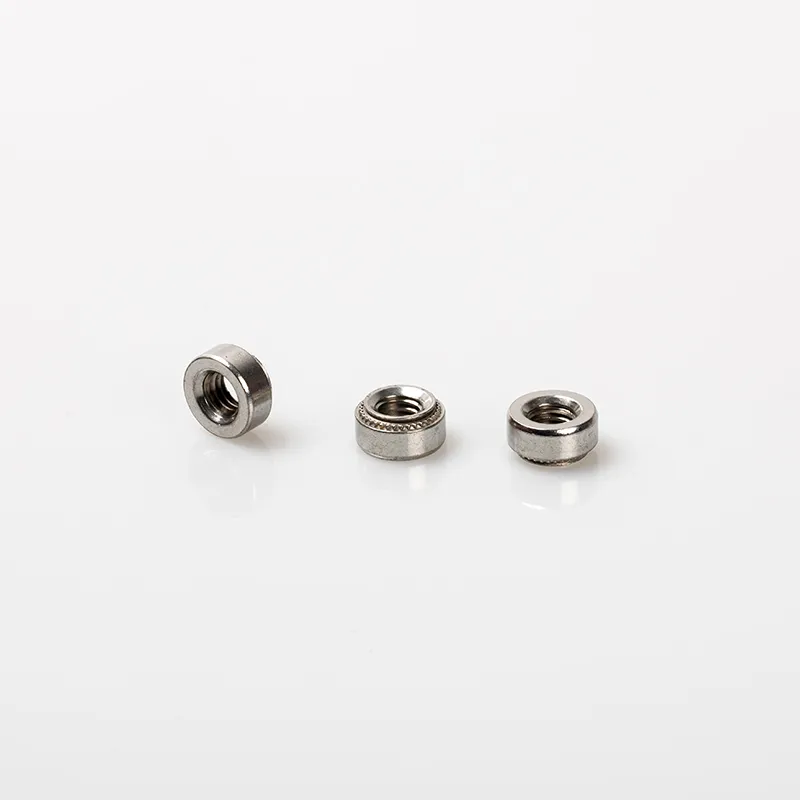
Include panel revision, hole location, edge condition, access side, quantity, and acceptance owner.
No. It records an observation; the current drawing controls the request.
Record hole preparation, nearest edge or flange, joining parts, access side, and hidden-side status.
List the changed feature and basis separately, then route it to the named technical owner.
No. It does not establish grip, pull-out, installation, torque, corrosion, or compliance.
Use the TNHO rivet-nut route, then submit the controlled panel register through contact.

 TNHO
TNHO 


