Countersunk screw flush-interface RFQ inputs should describe the controlled seating interface, not promise a flush result from a photograph or a generic product name. The buyer needs the current revision, the receiving-feature view, the visible seating condition, and a named owner for unresolved differences.
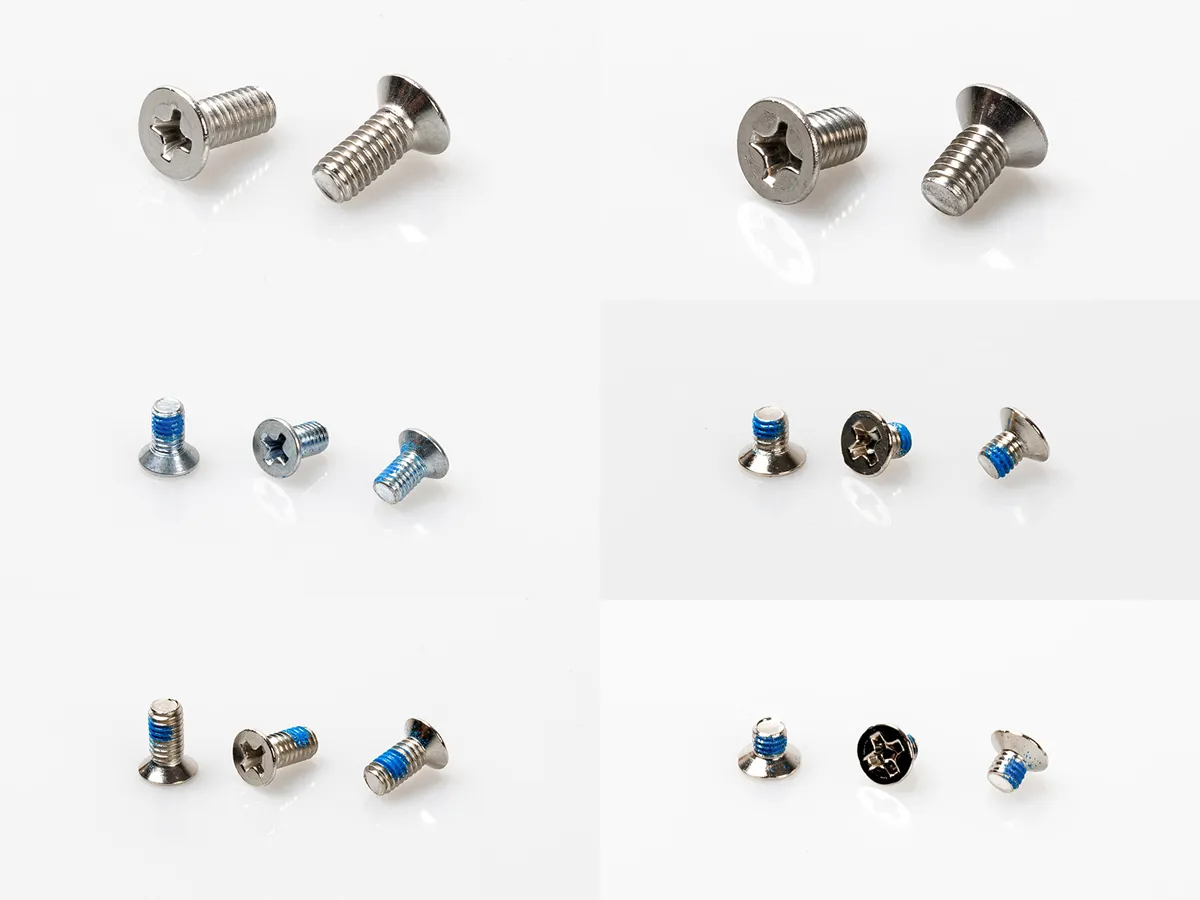
The relevant question is the released relationship between the fastener and the receiving feature. Begin with the drawing view that identifies the interface, its location in the assembly, the current revision, and the person who approves a change. A familiar countersunk silhouette does not state whether the shown feature matches another part or another revision.
Identify whether the available information is a controlled view, a sample observation, or a missing condition. This distinction keeps a buyer from treating a visual impression as a production requirement. It also gives suppliers a clear basis for raising an open question rather than choosing an unrecorded interpretation.
Keep the receiving feature and the visible seating condition in separate fields. The record should tell every supplier what source is controlling and which details remain open, without asking the quote to establish a fit outcome.
| RFQ evidence field | What to send with quote | Why it matters in review |
|---|---|---|
| Controlled interface view | Current drawing extract and revision | Names the governing source |
| Receiving feature | Relevant callout and adjacent assembly context | Connects the request to the actual interface |
| Seating observation | Photo or sample view labeled as an observation | Prevents an image from becoming a released value |
| Opposite-side condition | Available view or explicit unknown | Keeps hidden assumptions visible |
| Quantity and packaging | Quantity breaks and defined packaging requirement | Aligns commercial scope |
| Acceptance owner | Named reviewer for deviations | Separates quotation from release |
Use one register for all respondents. It does not confirm an angle, size, thread, material, coating, seating result, or product-specific capability.
A sample can help a buyer point to a visible condition, yet it cannot prove the released receiving geometry or the completed joint result. Record the sample source, date, view direction, and the assembly from which it came. If the sample cannot be tied to the current revision, mark that limitation plainly.
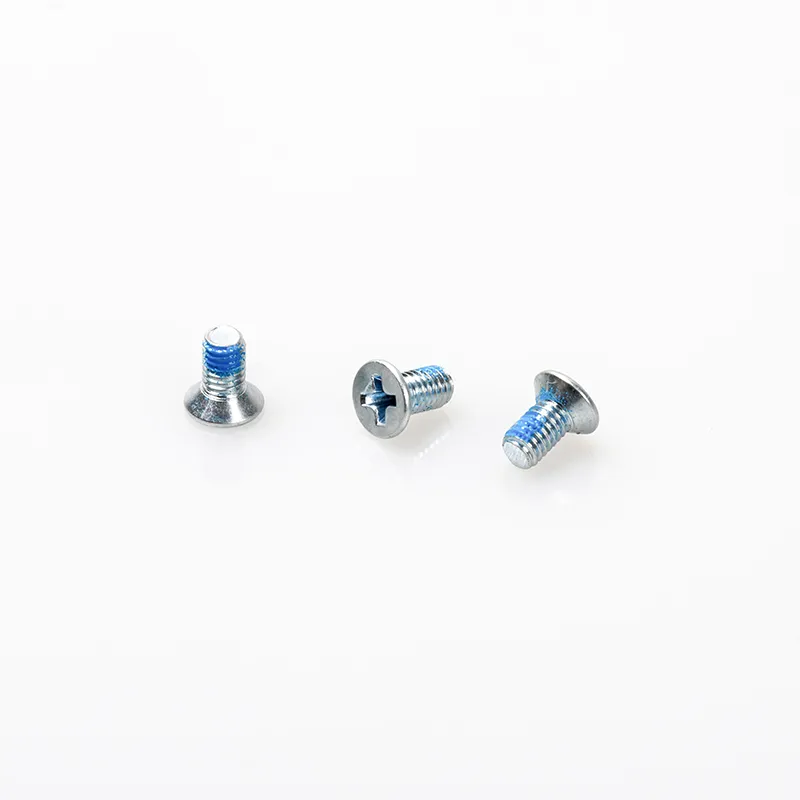
For every measurement or note, identify whether it came from a controlled document or an observed item. An observation may start a technical conversation, but it should not be copied into a request as though it were an approved dimension. Keep the two records side by side until the assembly owner closes the difference.
Before release, check that the package names the relevant view, receiving feature, hidden-side condition, quantity range, and approval owner. When a required view is unavailable, say so in the evidence register.
Ask each supplier to cite the revision and explain the interface they believe the RFQ describes. A proposed alternative belongs in its own row, with the changed condition and reason. That makes it possible to compare commercial responses without losing the original technical question.
| Response item | Supplier response requested | Buyer review action |
|---|---|---|
| Source used | Drawing revision and referenced view | Stop comparison if sources differ |
| Interface reading | Receiving feature and seating condition understood | Check against the evidence register |
| Open point | Missing or ambiguous information | Route to the assembly owner |
| Alternative | Changed condition and basis | Keep distinct from the requested interface |
| Commercial scope | Quantity, packaging, and response assumptions | Compare only aligned quotations |
Retain clarifications with the original revision. The resulting record does not certify a part; it makes a later review traceable when the assembly or evidence changes.
This workflow does not prove a flush result, torque, load capacity, retention, corrosion behavior, sealing, electrical behavior, lifecycle, certification, compliance, or suitability for a particular assembly. Those outcomes require product-specific evidence and validation criteria set by the assembly owner.
Important: Pause the RFQ if the controlled seating view, receiving feature, opposite-side condition, or acceptance owner is missing. A partial package cannot demonstrate a completed joint outcome, so use a named unit convention when recording observed dimensions. NIST SI units
This process suits teams that can identify the governing document and keep observations separate from requirements. It is not an engineering release or a substitute for a product qualification plan.
TNHO publishes a cross-countersunk screw route for category navigation. The route does not establish a specific configuration, interface fit, performance, certification, or delivery commitment for this request.
To begin a focused discussion, send TNHO the interface register through the contact page. Include the controlled revision, receiving-feature view, any observed sample record, quantity range, and unresolved questions. The related flat-head screw reading can help distinguish the broad head-style topic from this narrow evidence handoff.
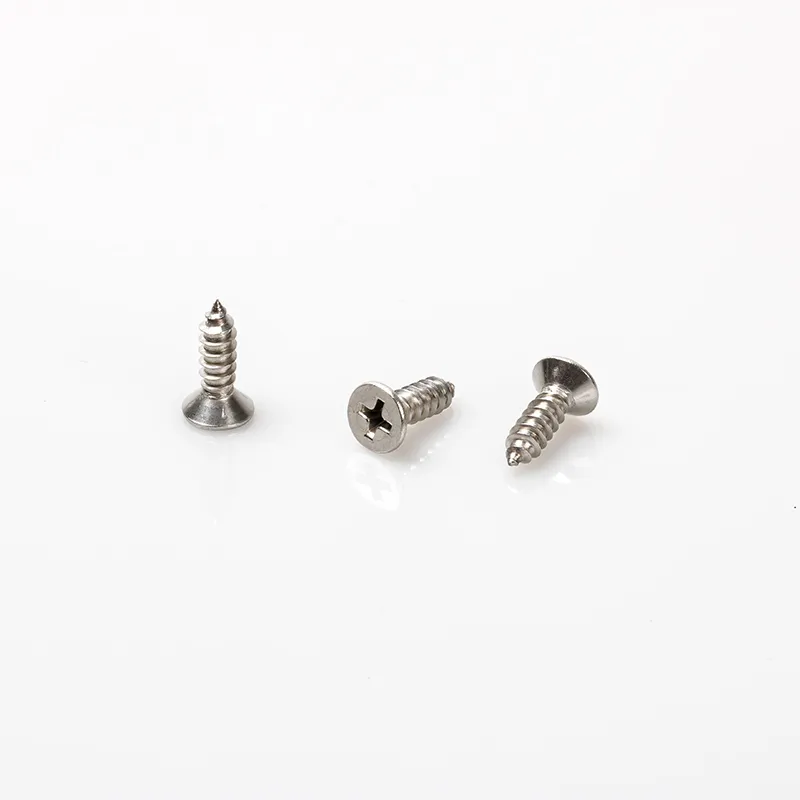
Include the controlled drawing revision, seating-interface view, receiving-feature reference, opposite-side status, quantity range, and approval owner.
No. A sample can document an observation, while the released drawing and validation plan must establish the accepted condition.
Use the current controlled view that identifies the seating interface and receiving feature, together with the revision that governs the assembly.
Keep every alternative in a separate response field with its changed condition, reason, and the named owner who must evaluate it.
No. It does not establish a flush result, retention, torque, load, sealing, corrosion, electrical behavior, compliance, or another product-specific outcome.
Use the TNHO product route for navigation, then provide the controlled interface record through the contact page.

 TNHO
TNHO 


