Flat head screws are an important part of fastening materials together for a multitude of applications. The design of the screw and how it can be applied make flat head screws commonly used in homes and industries alike. Herein are a number of types and functions for flat head screws, along with reasons you may want to use them, as well as some frequently asked questions regarding flat head screws.
What is the name of the type of screw that has a flat head? The answer is found in the definition of flat-headed screws; flat-headed screws are characterized by having a flat surface on top of the screw and therefore they can be used to fasten two surfaces together so that they are flush with each other when tightened. Because the top surface of the flat-head screw does not protrude above the top surface of the materials being fastened together, it will improve the appearance of the project for which it is used and will help reduce potential injuries from snagging against the screw head, which makes the flat-head screw safer than the traditional head of a normal screw. Another way to describe flat-head screws is as providing a clean, smooth, and finished look to any assembly.
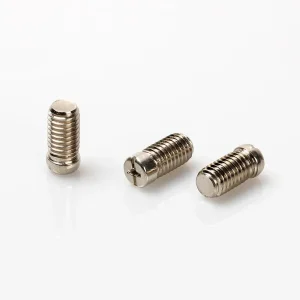
Flat head screws come in a variety of designs suited to specific applications. Some of the most popular designs include:
Wood Screws: Wood screws come in many different configurations. The most common form has coarse threads so they will hold fast and won’t loosen over time.
Machine Screws: Screws can be paired together with nuts and/or nuts and bolts to fasten pieces together when working with metals and other rigid substances. When designed in a standard fashion, they have a consistent diameter which may also provide some difficulty when mounting into different types of materials.
Self-tapping Screws: This type of screw will work for both metal and plastic materials. The screw creates a hole as it is inserted into the material. Therefore, it is very easy to install quickly.
Sheet Metal Screws: Specially designed screws for fastening metal are often sharper so that they can be penetrated more easily; thus, they can be used for many types of construction.
What are the benefits of flat head screws? There is an abundance of benefits. To begin with, the flat head design creates a flush look, which is very important in cases where appearance plays a vital role. Flat head screws also can be recessed/countersunk, so they create little to no protrusion that might cause interference with other parts. Therefore flat head screws lend themselves very well to cabinetry projects and electronics, because those applications require a flush finish.
A further benefit of flat head screws is the available torque to create strong connections when fully tightened. They are particularly useful in high-intensity applications where strength is most important. In addition, flat head screws are very practical due to their functional use, safety features, and resulting aesthetic appeal compared to many alternatives.
There are numerous ways that flat-head screws are utilized. They are an essential part of furniture assembly as well as electrical installations. The automotive industry also relies upon the strength of securing things together using flat-head screws. In addition, construction and manufacturers typically prefer to use flat-head screws due to their ability to handle heavy pressure and their durable holding power.
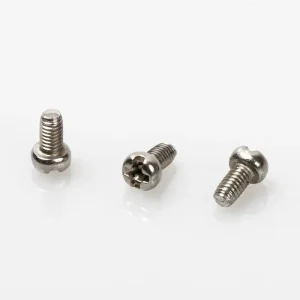
What is a screw with a flat head called?
It is called a flat head screw, known for its flush design.
What is a flat head screw used for?
Flat head screws are used in a wide range of applications such as fastening wood and metal, assembling furniture and building projects.
Why do they use flat head screws?
Their low profile aesthetics and firmness make them an excellent choice for many applications; therefore, these products are used because they are reliable and attractive.
In conclusion, flat head screws are multi-functional fasteners with both practical functions and attractiveness. There are several types of flat head screws for a variety of uses, as well as numerous benefits that provide a dependable option for hobbyists and professionals alike. Knowing how to use different types of flat head screws in your applications will help you select the appropriate screw for your upcoming project, ensuring that your project will be both secure and finished with an attractive appearance.

 TNHO
TNHO 


