Blind rivet nut hole-pattern RFQ inputs should identify the controlled panel interface before a supplier is asked to infer a fastener fit. The useful package names the drawing revision, hole callouts, panel stack, access side, and owner of open decisions.
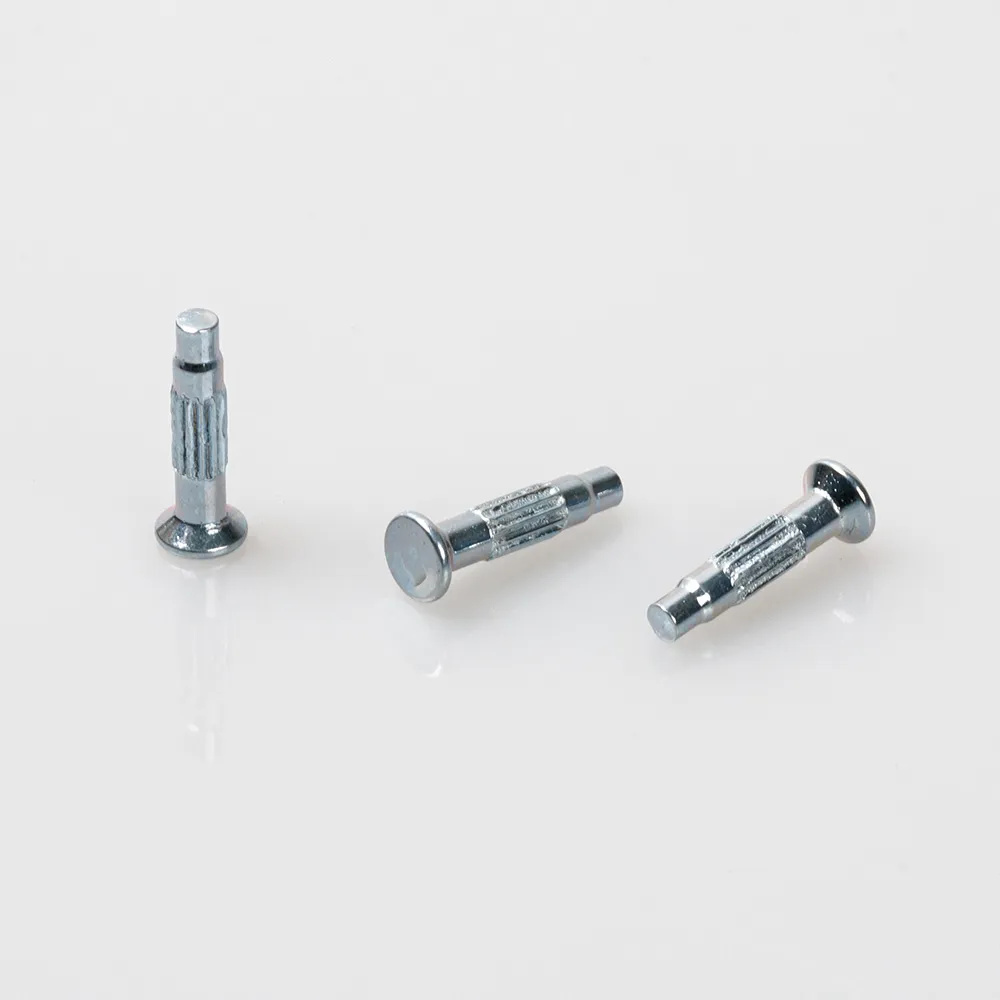
Begin with the current panel drawing and the fastening location, not a generic rivet-nut label. Identify the revision, the hole callout, the joining parts, and the side from which installation or inspection occurs. This tells each supplier which evidence controls the request and which questions remain open.
Record the assembly identifier, location reference, quantity range, and technical approval owner. A product photo can help start a conversation, but it cannot establish the released hole pattern or the condition behind a panel.
Keep panel geometry and access notes in separate fields. Send the same evidence register to every respondent so a quote does not silently assume a different sheet stack or installation side.
| RFQ evidence field | What to send with quote | Review purpose |
|---|---|---|
| Panel drawing | Current extract and revision | Names the governing source |
| Hole callout | Location, view, and stated open items | Keeps geometry reviewable |
| Panel stack | Components and orientation in the joint | Prevents hidden stack assumptions |
| Access side | Installation and inspection side | Separates access from product naming |
| Quantity and packaging | Quantity breaks and defined scope | Aligns commercial comparison |
| Acceptance owner | Named reviewer for deviations | Separates quote from approval |
The table is an evidence request, not a claim that a particular size, grip, material, or installation process is available.
A sample can show what was previously installed, but it does not recreate the current hole preparation or panel stack. Label each image with its source, date, view direction, and revision context. If a dimension comes from an informal measurement, mark it as an observation rather than a released value.
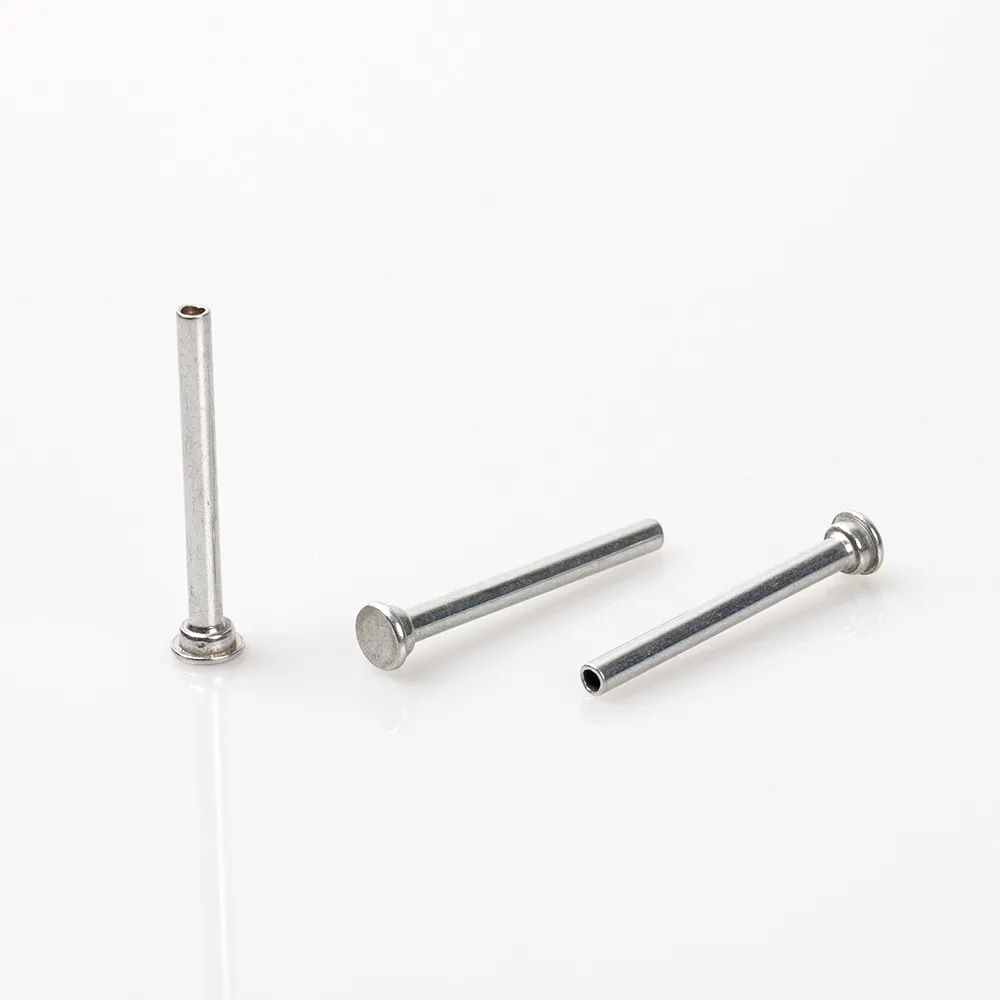
Before issuing the request, identify the accessible side, the hidden-side status, and the person who can resolve a missing view. This prevents a supplier response from turning an unknown interface into an unrecorded assumption.
Ask every supplier to state the drawing revision used, restate the hole and stack condition they understood, and list alternatives separately. Keep commercial assumptions beside the technical response so prices are compared only when their evidence basis is aligned. The related blind-rivet grip-range guide covers a different question and should not replace this hole-pattern record.
| Response item | Supplier response requested | Buyer review action |
|---|---|---|
| Source used | Drawing revision and referenced view | Stop comparison if sources differ |
| Hole reading | Location and preparation understood | Check against the register |
| Access assumption | Installation and inspection side | Escalate any conflict |
| Alternative | Changed feature and reason | Keep separate from the request |
| Commercial scope | Quantity, packaging, and timing assumptions | Compare aligned responses only |
Keep clarifications with the revision. This record supports a controlled inquiry; it is not a production release.
This workflow does not prove installation, grip range, pull-out, torque, corrosion, sealing, electrical behavior, lifecycle, certification, compliance, or suitability for a specific panel. Final fit decisions depend on product-specific evidence and an owner-defined validation plan.
Important: Pause the RFQ when the current panel revision, hole callout, access side, or acceptance owner is missing. A sample can illustrate a question, but it cannot close an unverified interface. ISO standards catalogue
If a required view cannot be shared, record the restriction and the person who must resolve it before quotations are treated as comparable.
TNHO publishes a rivet and riveting-parts route and a rivet-nut product route. These routes support navigation, not a promise of a specific hole fit, installation result, performance, certification, or delivery.
For an inquiry, send the controlled hole-pattern register through the contact page. Include the revision, hole view, panel stack, access side, quantity range, and unresolved questions.
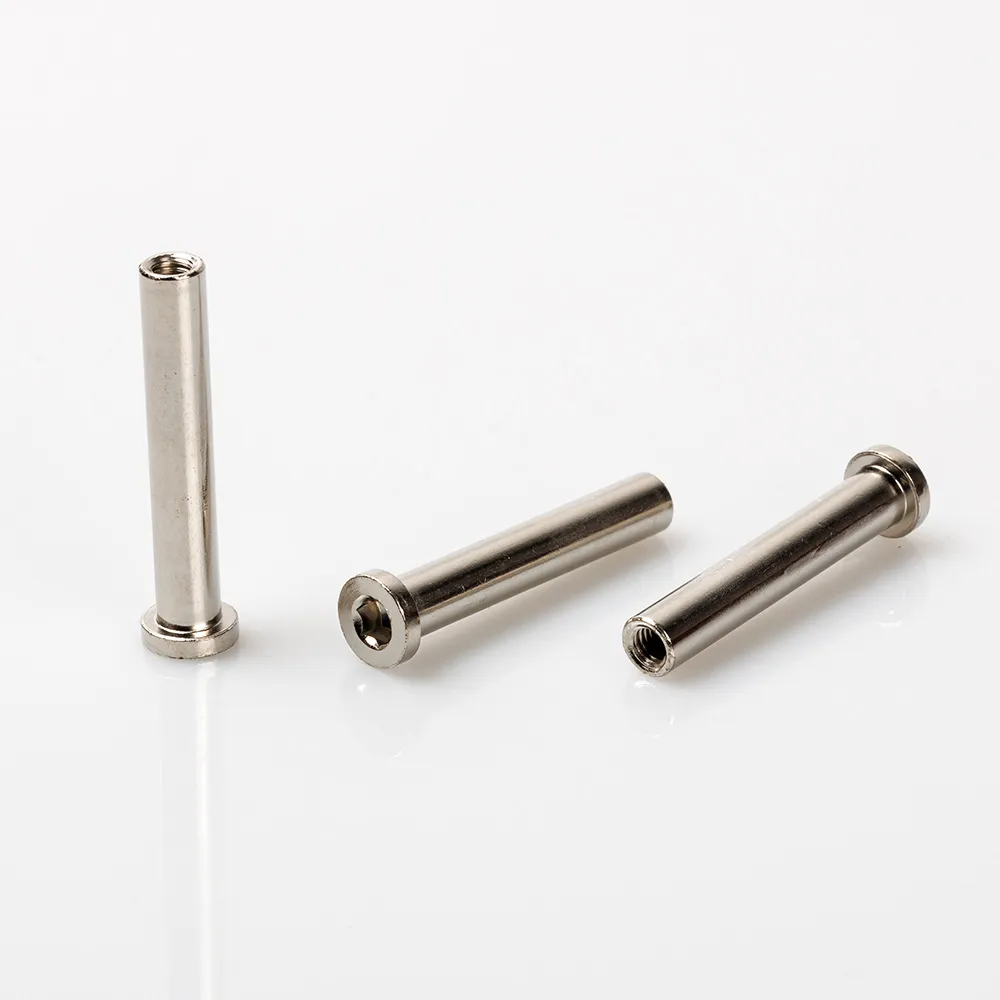
Include the current panel drawing revision, hole callout, stack condition, access side, quantity range, and acceptance owner.
No. A sample records an observation; the controlled drawing and current assembly context define the request.
Record the joining components, orientation, hole view, access side, hidden-side status, quantity scope, and open questions.
Require every alternative to state its changed feature and basis, then assign review to the named technical owner.
No. It does not establish grip, pull-out, installation, torque, corrosion, compliance, or another product-specific result.
Use the TNHO rivet-nut route for navigation, then submit the controlled evidence register through the contact page.

 TNHO
TNHO 


