Self-drilling screw RFQ inputs begin with a controlled assembly stack, not with a product photograph or a generic screw label. Before supplier responses are compared, the buyer should identify the governing revision, the visible head side, any hidden side, the available access, and the person authorized to accept a deviation.
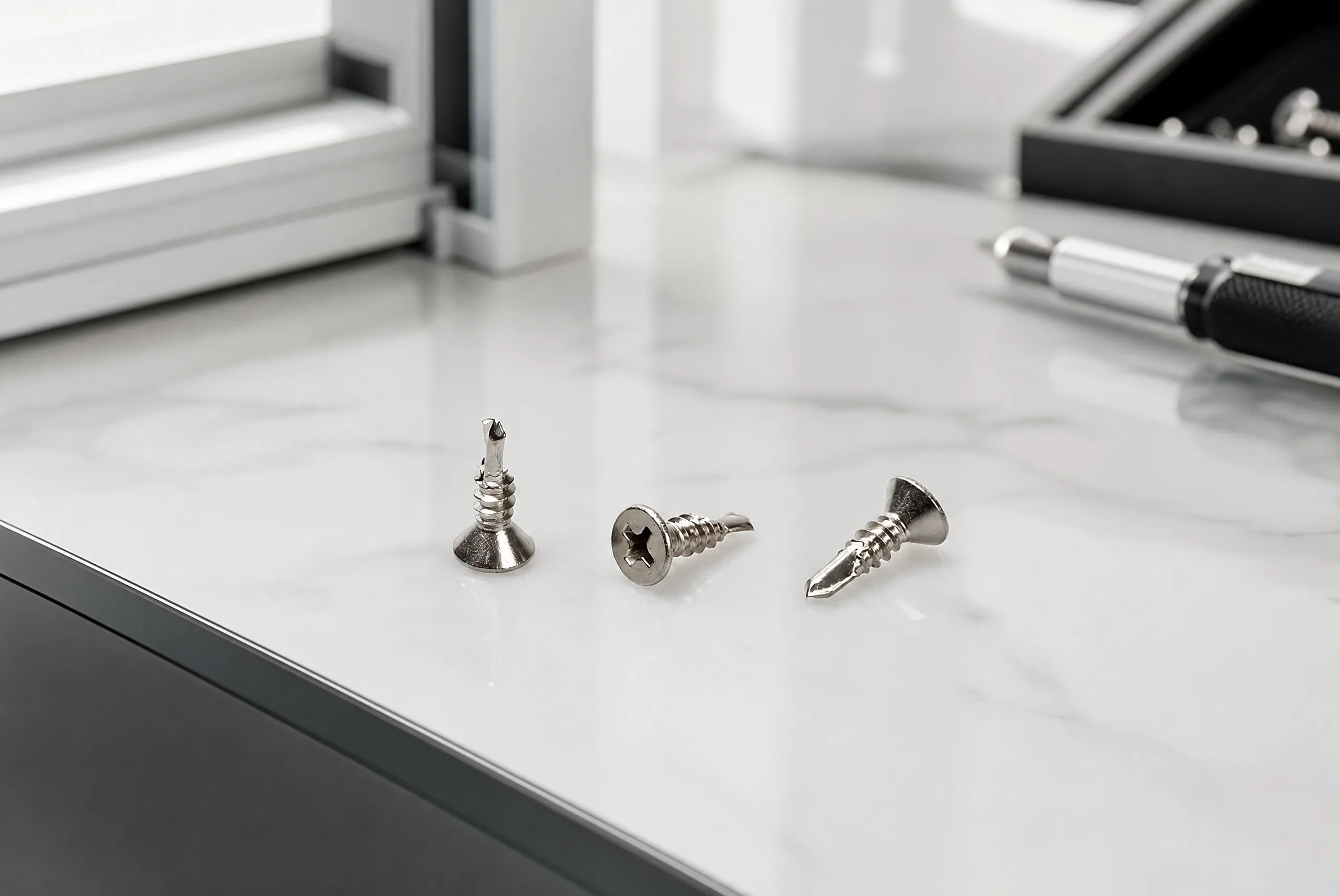
The item to quote is the requested assembly condition, not a familiar screw silhouette. Begin with the drawing view that identifies the components in the stack, their orientation, the entry side, and the current revision. If a photo of an existing unit is supplied, label it as an observation and state whether it is known to match the released assembly.
Record the assembly identifier, drawing revision, installation side, quantity breaks, and approval owner. A request that omits those points invites suppliers to fill in different assumptions. Keeping unknown information visible is more useful than allowing a quotation to make it appear settled.
The stack description and access description should not be collapsed into one broad note. A stack view identifies what is being joined; access notes identify what can be seen, reached, or inspected. Maintaining separate fields makes it easier to identify an unanswered question before a quote is compared.
| Evidence field | What the buyer should provide | Review purpose |
|---|---|---|
| Controlled stack view | Drawing extract with revision and component callouts | Links the RFQ to the governing source |
| Entry side | View that shows the visible side and approach direction | Keeps the installation context explicit |
| Hidden-side status | Available view, obstruction note, or stated unknown | Stops silent assumptions about an unseen interface |
| Head-side condition | Drawing reference for the visible head and surrounding feature | Separates a visible observation from a released requirement |
| Quantity break | Prototype, pilot, and recurring amounts | Aligns commercial scope |
| Acceptance owner | Named reviewer and alternative-decision path | Keeps procurement and technical approval distinct |
Send this register with the current revision. It is not evidence of drilling capability, holding, sealing, material, coating, or a product-specific performance result.
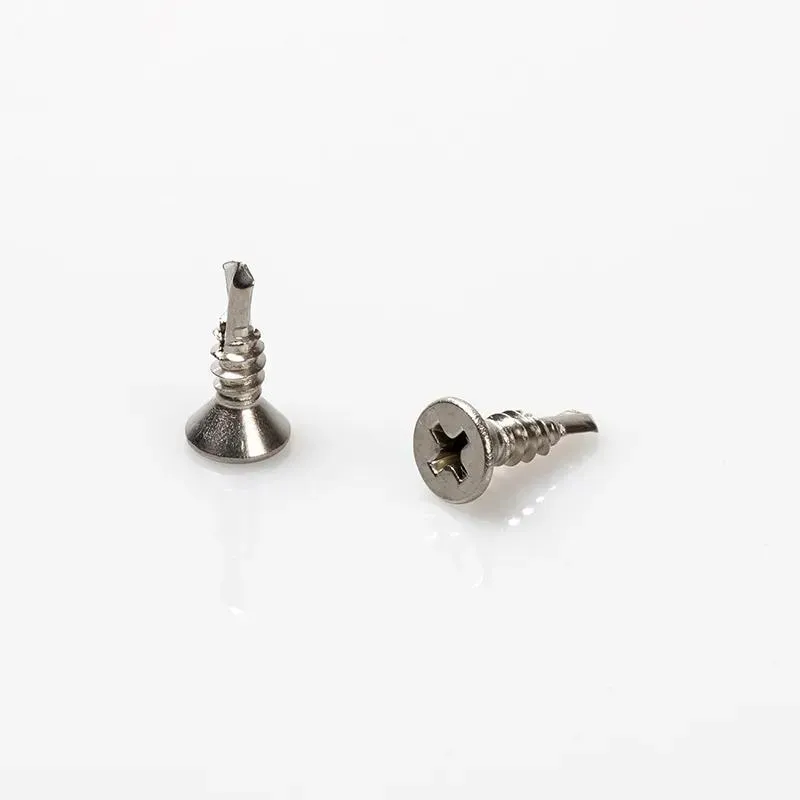
An image can help a buyer point to a visible head-side feature, but it does not resolve the condition behind the panel or beneath a cover. For each photograph, record the source, date, view direction, and related assembly revision. If a component is missing from the evidence package, name it instead of expecting a supplier to infer its condition.
Separate an observed sample from the released request. An observation may be useful for a technical question, while the drawing remains the document that controls the requirement. This distinction becomes especially important when a visible feature appears similar across more than one assembly.
Before issuing the RFQ, retain:
Every supplier should receive the same evidence package. Ask each respondent to identify the drawing used, restate the stack and accessible side they understand, identify open questions, and show alternatives separately. A low price cannot be compared fairly when it depends on a different stack interpretation or a missing access assumption.
| Response item | Supplier response requested | Buyer review action |
|---|---|---|
| Source used | Drawing revision and referenced view | Stop comparison if the source differs |
| Stack reading | Short description of the components considered | Check against the evidence register |
| Access assumption | Entry side and any required clearance | Escalate a conflict to the assembly owner |
| Alternative | Changed feature and basis for proposal | Keep distinct from the requested item |
| Commercial scope | Quantity, packaging, and timing assumption | Compare only aligned responses |
Keep clarifications with the original question and revision. This prevents an answer for one stack condition from being reused for another without review.
This article does not prove drilling ability, pull-out resistance, torque, sealing, corrosion behavior, electrical behavior, lifecycle, certification, compliance, or suitability for any specific assembly. Those conclusions require product-specific evidence and validation criteria chosen by the system owner.
Important: Pause the RFQ when the controlled stack view, hidden-side condition, access route, or acceptance owner is unknown. A visible screw image cannot close an unverified interface. (ASME codes and standards)
The workflow is suited to teams that can supply a controlled assembly view and identify who decides on alternatives. It is not an engineering release. If a required view is unavailable, document the gap and the authority who can provide it before the quote is treated as comparable.
TNHO publishes a custom-fastener service route that can be used to begin an inquiry. It is a navigation route, not proof of a particular self-drilling-screw configuration or a promise of performance, compatibility, certification, or delivery.
For a review, provide TNHO with the controlled stack register and open questions. The related blind-rivet grip-range article and electrical cabinet thread-mating guide can help distinguish adjacent interface questions.
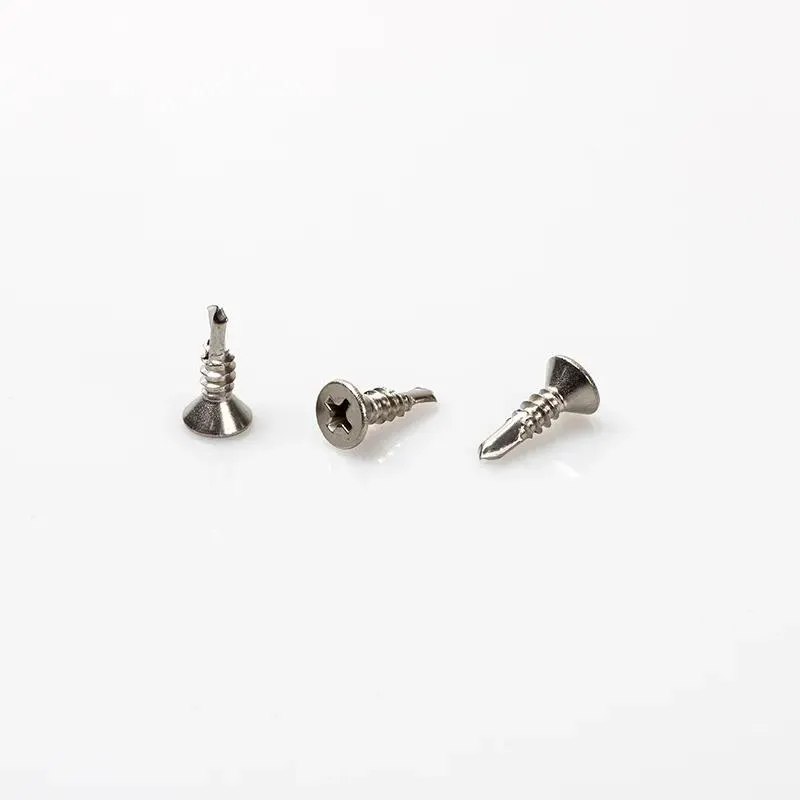
Match each attachment name to the current revision. Identify observations separately from the controlled source. When a supplier proposes an alternative, keep the affected stack field visible until the named owner makes a documented decision.
Start with the current drawing revision, the controlled component stack, entry side, hidden-side status, quantity breaks, and approval owner.
No. A photo can record an observation, but the controlled assembly view must establish the released request.
State the entry side, approach direction, available inspection view, nearby obstruction, and any hidden condition that remains unknown.
Use one evidence register for all suppliers and ask each response to state the revision, stack reading, access assumption, alternatives, and commercial scope.
Pause when the stack, hidden-side condition, access route, or acceptance owner remains open.
Begin at the TNHO custom-fastener service route, then provide the stack evidence register through the contact page.

 TNHO
TNHO 


