Machine screw RFQ inputs should preserve the controlled relationship between the head side, the end side, the mating feature, and the approval owner. A photograph may show a familiar screw, but it cannot establish which geometry controls the next production request.
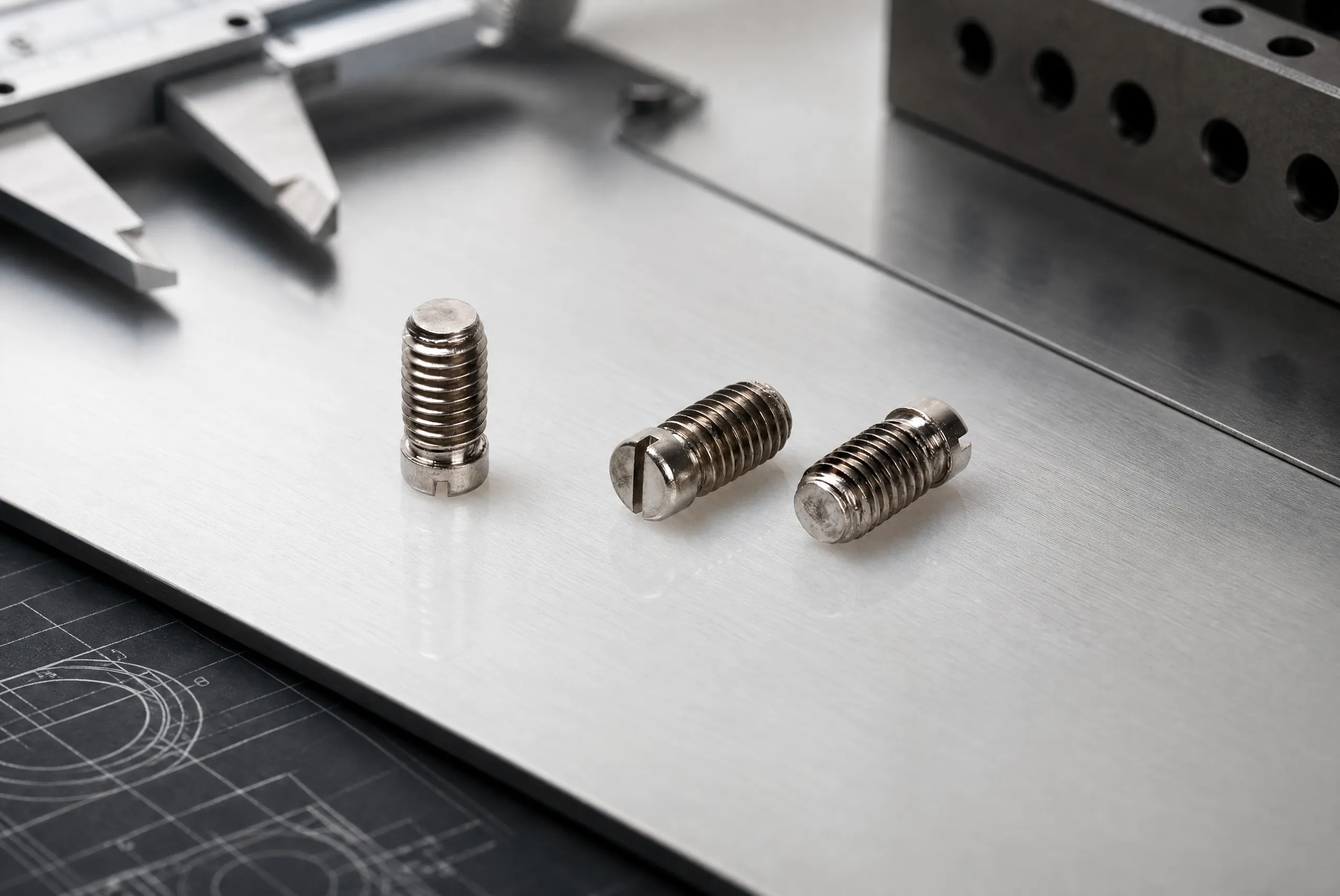
A machine-screw request becomes reviewable when the buyer identifies the assembly and revision before naming a visible head style. Start with the controlled view that shows where the screw enters, which component receives it, and which side remains accessible for installation or service. A generic screw label can help search an internal file, but it should not replace the governing drawing reference.
Record the assembly identifier, drawing revision, location reference, quantity breaks, and the person who can approve a deviation. If an existing unit or removed screw is the only available evidence, label the photo and sample as observations. This makes it clear which inputs are fixed and which still require engineering confirmation.
The head and the end serve different review purposes. A head-side view can affect access, seating, or tool discussion; the opposite end may relate to a receiving feature or another assembly detail. Put them in distinct fields so a supplier does not have to infer the requested relationship from a single product image.
| Evidence field | What the buyer should attach or state | Review purpose |
|---|---|---|
| Controlled assembly view | Drawing extract with revision and location reference | Names the governing requirement |
| Head-side condition | Visible form and the surrounding interface as drawn | Keeps access and seating questions visible |
| End-side condition | End view and receiving-feature reference as drawn | Separates the end from an assumed alternative |
| Mating component | Identifier, view, and any unavailable feature | Links the screw to the actual assembly |
| Quantity break | Prototype, pilot, and recurring amounts | Aligns commercial comparison |
| Acceptance owner | Named technical reviewer and decision path | Distinguishes quotation from release |
Use the matrix as an RFQ evidence register. It does not state that any unlisted screw geometry, thread, material, coating, or rating is available.
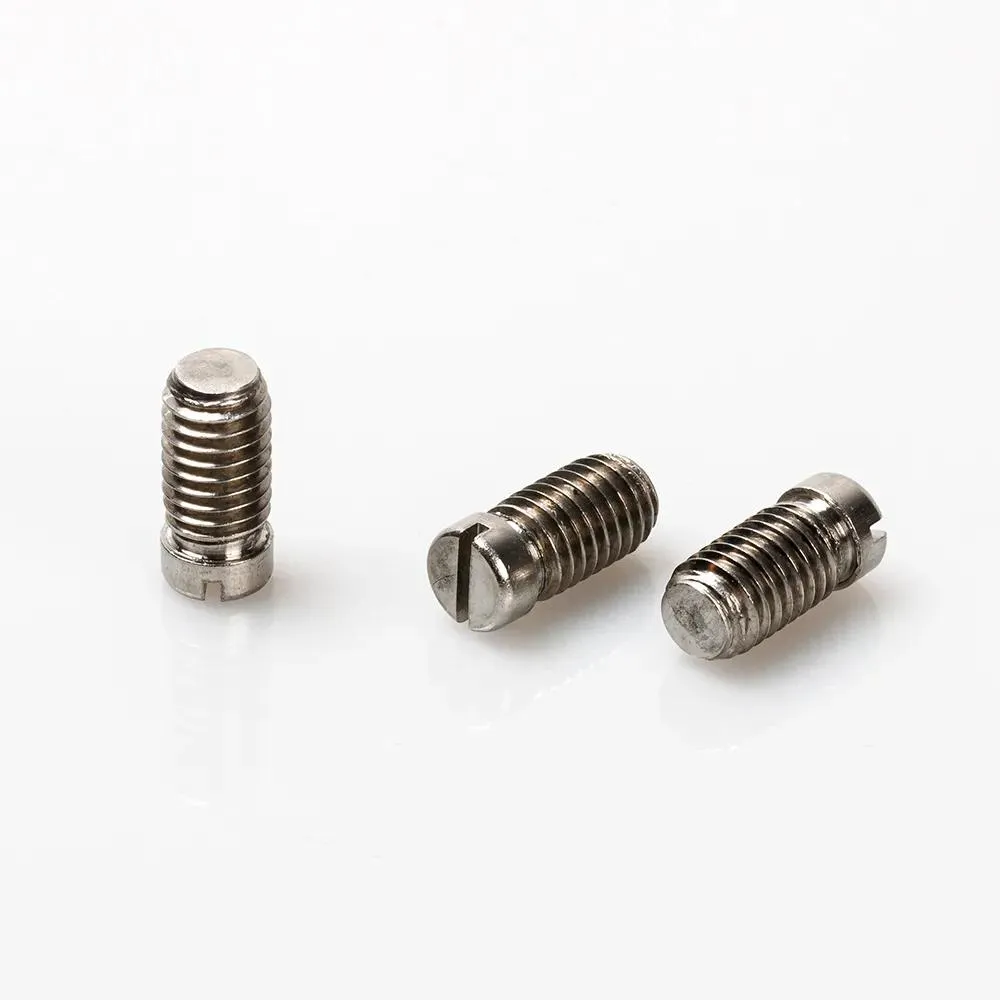
The relevant feature is the one that connects to the assembly, not the one that happens to be easiest to photograph. Include the receiving part, approach direction, nearby clearance issue, and any cover or component that restricts inspection. If the mating feature is hidden, say so and identify the document or owner that can verify it.
Keep sample measurements separate from released requirements. A measurement may be useful for opening a technical question, but it should be logged with its source, date, and view direction. Repeating a measurement in a quote request does not make it an approved dimension.
Before issuing the request, collect:
Send the same package to every respondent. Ask each supplier to identify the revision used, restate the head and end conditions they are responding to, and list any alternative separately. A lower price is not comparable if it depends on a changed visible feature, a different mating interpretation, or an unrecorded commercial assumption.
| Response item | Supplier response requested | Buyer review action |
|---|---|---|
| Drawing reference | Revision and relevant view | Stop comparison if the source differs |
| Head-side reading | Short interpretation of the controlled feature | Compare with the evidence register |
| End-side reading | Short interpretation of the opposite feature | Escalate uncertain mating details |
| Alternative | Changed feature and reason | Keep separate from the requested item |
| Commercial scope | Quantity, packaging, and timing assumption | Rank only after scope is aligned |
Keep answers beside the original questions. The record helps a later reviewer see whether an alternative was requested, proposed, accepted, or still open.
This workflow does not prove torque, load capacity, corrosion behavior, electrical behavior, sealing, lifecycle, certification, compliance, or suitability in any particular assembly. Those outcomes need product-specific evidence and validation criteria selected by the system owner.
Important: Pause the request if the controlling revision, either feature view, mating component, or acceptance owner is unknown. A clear product photo cannot close an unverified assembly interface. (NIST SI units)
The checklist is for teams that can identify the governing documents and distinguish a released requirement from an observation. It is not an engineering release or a substitute for a qualification plan. If a necessary view cannot be shared, record the gap and the authority who can resolve it.
TNHO publishes a custom-fastener service route that can be used to begin a controlled inquiry. It is a navigation route, not evidence of a specific machine-screw configuration or a promise of performance, compatibility, certification, or delivery.
For a technical inquiry, send TNHO the drawing revision and the head/end record. The related micro screw drive and head-height guide and electrical cabinet thread-mating guide can help a buyer distinguish adjacent questions without merging them into this RFQ.
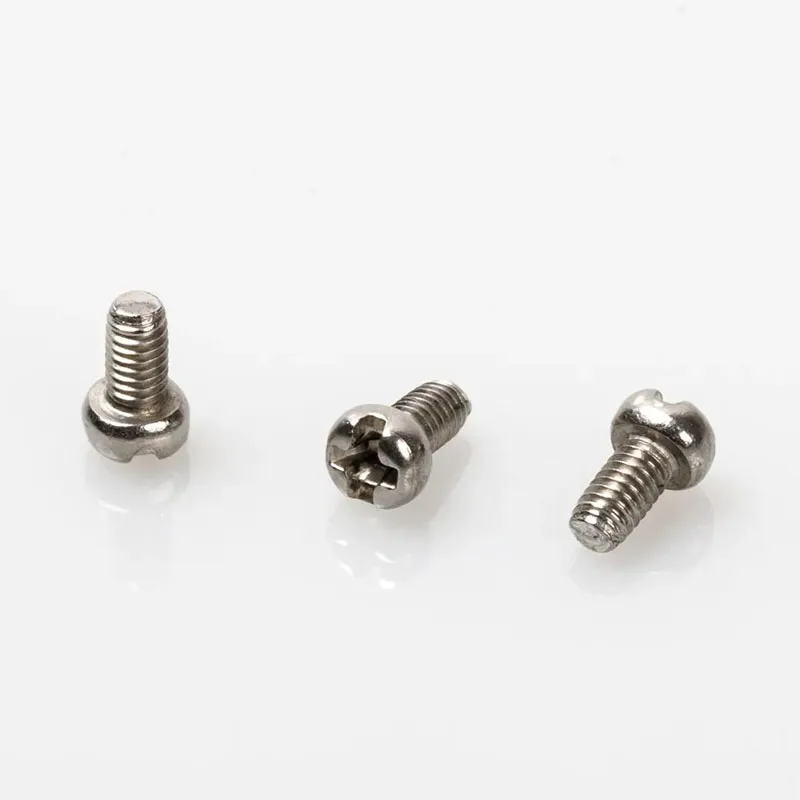
Match each attachment to the revision named in the evidence register. Identify photographs and sample observations separately from controlled documents. Once replies arrive, keep alternatives visible until the technical owner has made a recorded decision.
Start with the current drawing revision, head-side condition, end-side condition, mating component, quantity breaks, and approval owner.
No. It can document an observation, but the controlled drawing and assembly context must define the released requirement.
The end relates to the receiving feature and can be interpreted differently from the visible head side. Separate records make that relationship reviewable.
Every supplier should receive the same revision package and respond to the same head, end, mating, alternative, and commercial-scope fields.
Pause when the revision, a feature view, the mating component, or the acceptance owner is still open.
Start from the TNHO custom-fastener service route, then provide the head/end evidence record through the contact page.

 TNHO
TNHO 


