Threaded rod RFQ inputs need a controlled drawing or specification that identifies both ends, the usable threaded length, the mating parts, and the decision owner. A photo can help identify an existing assembly, but it cannot turn an unconfirmed end feature into a released quotation requirement.

The first question is not simply “what length is needed?” It is which feature each end must present to the surrounding assembly. A request can contain a visible threaded portion, a plain section, a shoulder, an internal mating point, or another defined termination. The buyer should identify these features from the current controlled source instead of asking a supplier to interpret a photograph.
Record the assembly name, drawing number, revision, end A and end B orientation, and the person who owns technical approval. If the request relies on a removed sample, state that fact and attach the photo as an observation. The distinction lets a supplier separate the requested configuration from a proposal or an assumption.
Overall length may be useful for identification, but it does not independently describe the portion available to mate. Keep the total envelope, each end condition, and the specified usable region in separate evidence fields. This approach prevents a purchaser and a respondent from using the same length label for different functional sections.
| Evidence field | What the buyer should provide | How it supports review |
|---|---|---|
| Controlled view | Drawing extract, revision, and orientation mark | Connects the request to the governing source |
| End A condition | Feature description and mating reference as drawn | Keeps the first end from being assumed |
| End B condition | Feature description and mating reference as drawn | Keeps the opposite end reviewable |
| Usable region | Start and end references from the drawing | Separates a functional section from total envelope |
| Quantity breaks | Prototype, pilot, and recurring quantities | Gives every supplier the same commercial basis |
| Acceptance owner | Named reviewer and deviation path | Prevents a purchasing decision from being treated as technical release |
Send the table with the current revision. It is an RFQ evidence register, not a statement that TNHO offers a particular thread, material, performance value, or standard.
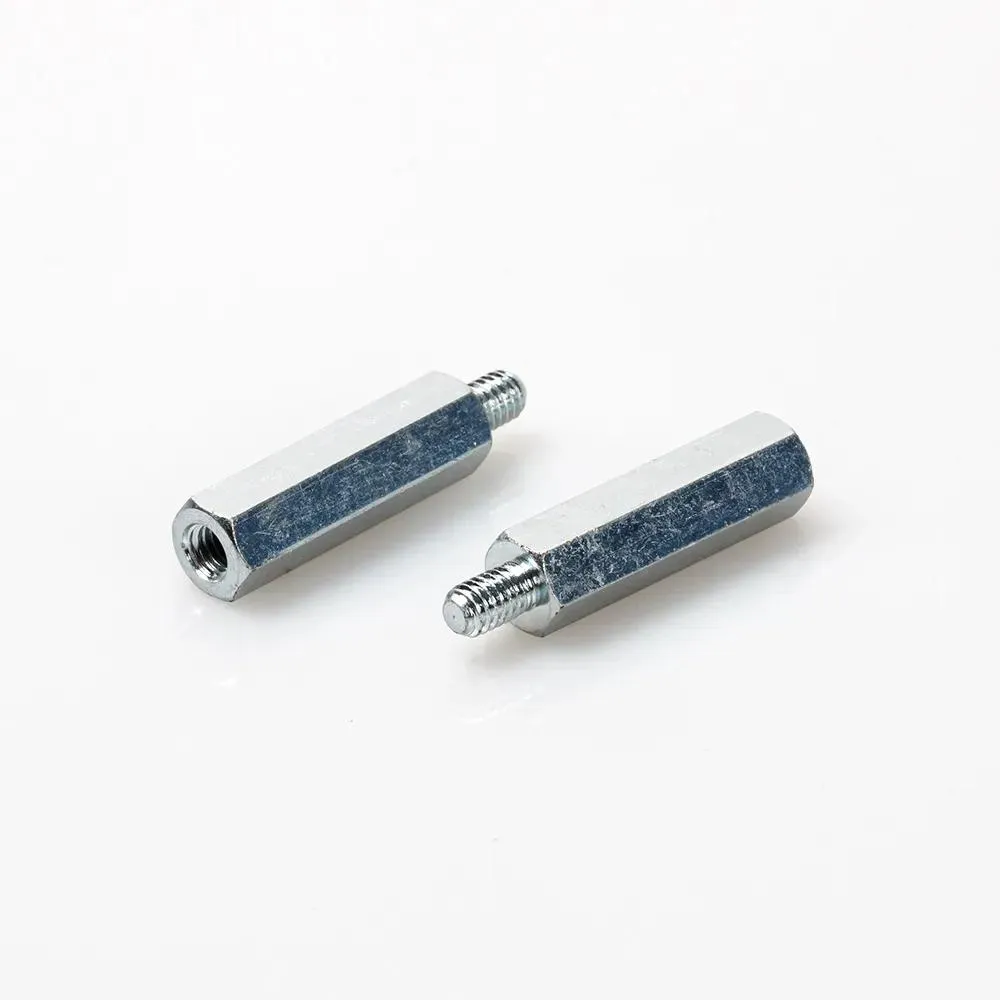
An end feature makes sense only in relation to its mating component. Include the mating part identifier, the available approach direction, nearby obstructions, and any service sequence that changes access. If a nut, housing, board, bracket, or another component is not available for review, flag that limitation instead of treating it as an unimportant omission.
Photos can show an installed condition, but the package should say who took the image, which view it represents, and whether it belongs to the active revision. Measurements from an informal sample should also be marked as observations. A controlled requirement is not created by repeating a measurement in an email thread.
Use this short handoff list before inviting quotations:
Give every respondent the same revision package and ask for the same response structure. A useful reply identifies the drawing used, restates the end conditions, names any alternative, and keeps commercial assumptions visible. A price comparison becomes unreliable if one supplier has interpreted an end feature differently or has silently substituted an open condition.
| Response item | Supplier response requested | Buyer review action |
|---|---|---|
| Source used | Drawing revision and referenced view | Return any mismatch to the buyer before comparison |
| End-condition reading | Short statement for each end | Check against the evidence register |
| Open question | Missing information and affected feature | Route to the technical owner |
| Alternative | Changed feature and basis for proposal | Keep separate from the requested item |
| Commercial scope | Quantity tier, packaging, and timing assumption | Compare only aligned scope |
Keep each clarification beside the original question. That record provides a reviewer with the reason a deviation was accepted, rejected, or left open. It also prevents an outdated clarification from being transferred into a later revision.
This checklist does not prove strength, load capacity, corrosion behavior, vibration behavior, electrical properties, certification, compliance, or suitability for a particular assembly. Those outcomes require product-specific evidence and validation criteria selected by the system owner.
Important: Pause the RFQ if either end condition, the usable region, a mating part, or the acceptance owner is unknown. A precise-looking overall length does not resolve an unconfirmed interface. (ASME codes and standards)
The workflow is suited to teams that can share controlled interface information and distinguish a released requirement from a supplier proposal. It is not a replacement for engineering release. Where the buyer cannot share a required view, the missing view and the person authorized to release it should be recorded explicitly.
TNHO publishes a custom-fastener service route that can be used as a starting point for a controlled inquiry. It is a navigation route, not proof of an unlisted rod configuration or a guarantee of performance, compatibility, certification, or delivery.
For an inquiry, contact TNHO with the revision-controlled end-condition register. Buyers can also use the broader custom fastener RFQ guide and custom turned fastener article to separate a broad inquiry from this end-condition review.
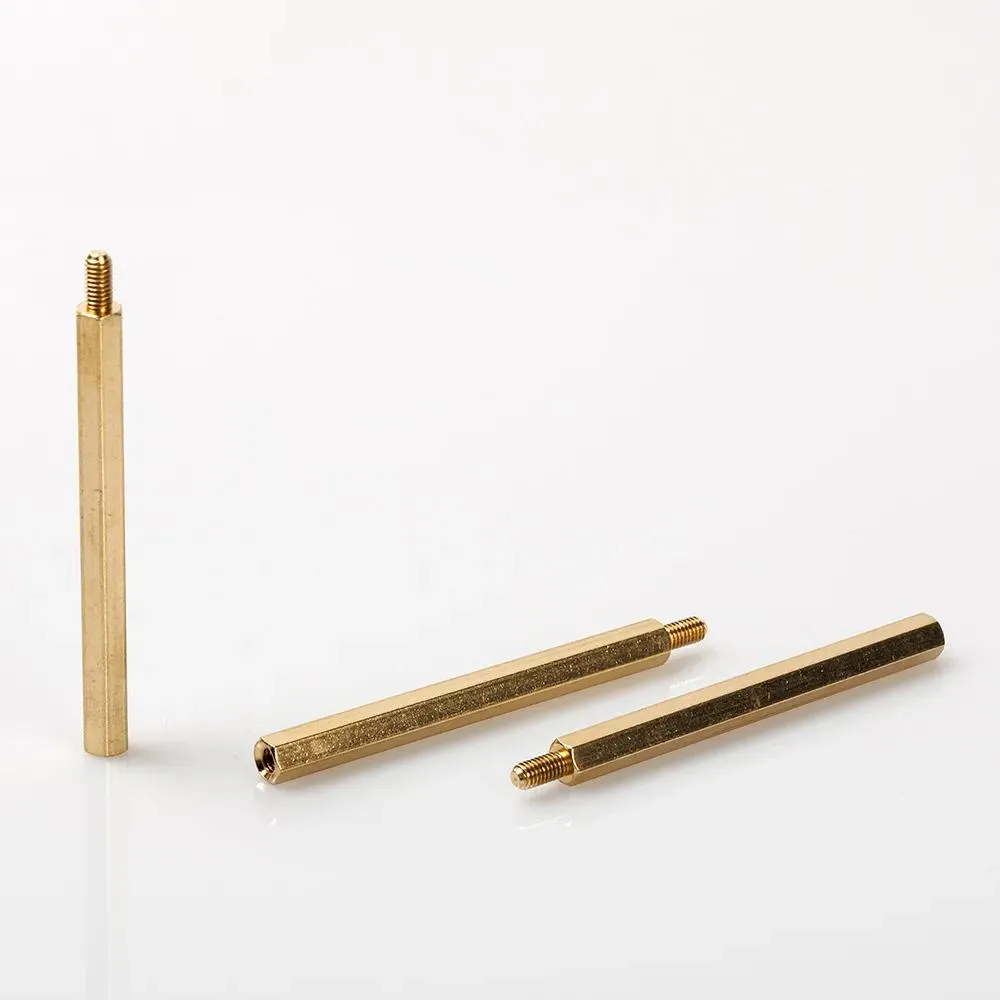
Before sending the request, match every attachment name to the revision in the evidence register. State which images are observations and which document controls the requirement. After quotations arrive, keep technical alternatives visible until the named owner closes them.
Start with the controlled revision, both end conditions, usable regions, mating parts, quantity breaks, and the technical approval owner.
No. It should be accompanied by the end-condition and usable-region references that describe what must mate in the assembly.
Identify the mating component, approach direction, clearance or obstruction, service sequence, and any unavailable view that could affect interpretation.
Give each supplier the same evidence register and ask them to identify the revision, their end-condition reading, open questions, alternatives, and commercial assumptions.
Pause when an end condition, usable region, mating component, or acceptance owner remains open.
Begin at the TNHO custom-fastener service route, then submit the end-condition evidence register through the contact page.

 TNHO
TNHO 


