Custom rivet nut RFQ inputs should describe the sheet stack, installation side, tool access, and acceptance owner before a supplier compares the request. A product image can illustrate a family, but it cannot define a hidden hole condition or approve a production joint.
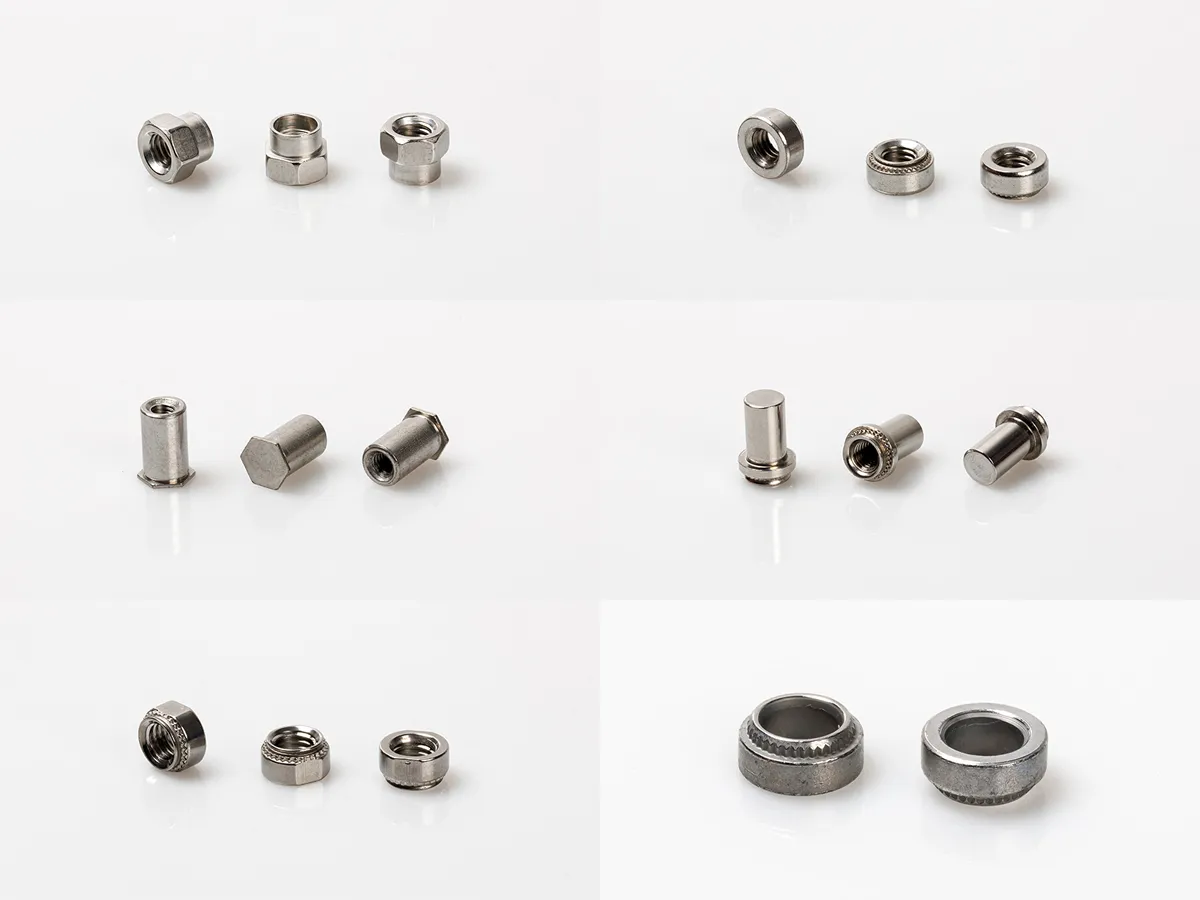
A custom rivet nut request starts with the panel, the mating screw or bolt, and the assembly revision—not with a generic “insert” label. Identify the sheet or housing, the access side, the intended service action, and the person responsible for technical approval. This prevents a quote from quietly changing the joint boundary.
Record the drawing number, revision, panel material as supplied by the buyer, stack description, quantity breaks, packaging assumptions, and response date. If one of those fields is unavailable, keep it open in the request instead of allowing each supplier to fill it differently. The resulting package is easier to review because it separates released information from a proposal.
Rivet-nut selection is sensitive to the installation envelope. Show the hole location, surrounding flange or boss, blind-side clearance, tool approach, mating-thread access, and any restriction created by a cover or adjacent component. A part that looks suitable from the front may be impossible to install or inspect from the available side.
| Interface item | Buyer evidence to attach | Procurement consequence |
|---|---|---|
| Sheet stack | Controlled section view and thickness callout | Suppliers quote against the same panel condition |
| Hole definition | Hole location, drawing revision, and permitted preparation | Avoids an unapproved hole assumption |
| Installation access | Tool side, blind-side space, and nearby obstructions | Exposes access risk before sampling |
| Mating hardware | Screw/bolt description and service direction | Keeps thread engagement questions visible |
| Approval path | Technical owner and sample acceptance method | Separates commercial selection from fit release |
Use the matrix to ask questions, not to invent a dimensional range. Any final size, material, torque, or qualification remains a project-specific item.
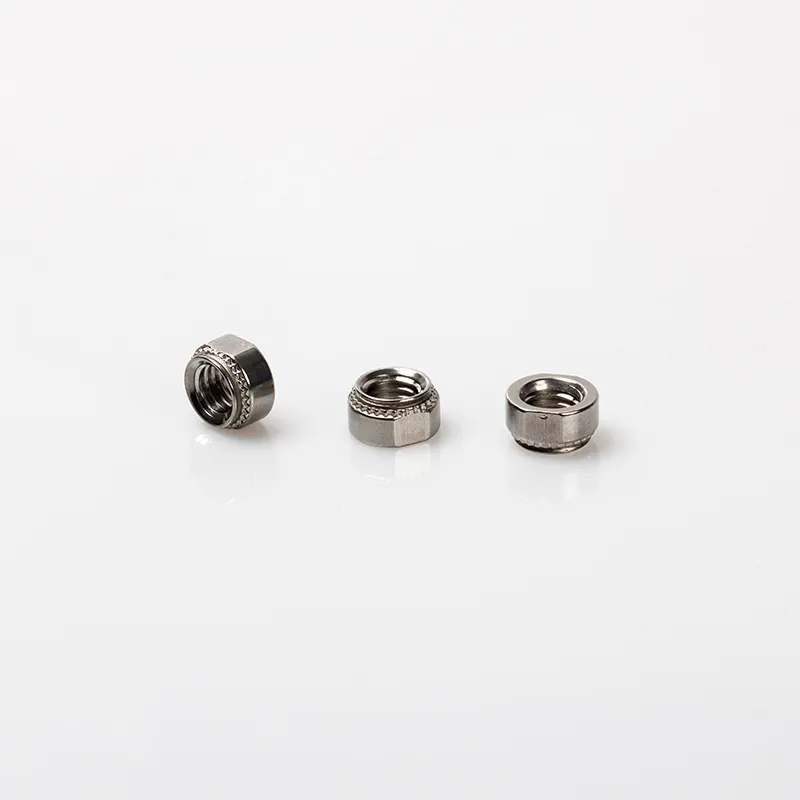
A photo is useful for identifying a visible feature, while a drawing controls the build. Label each image with its source, date, view, and associated assembly revision. If a sample was measured informally, mark the result as an observation rather than a released dimension.
When a mating panel is not available, state that limitation in the RFQ. Include which side was inspected, which surfaces remain hidden, and whether the sample represents the current revision. This helps suppliers explain assumptions without turning an old sample into a mandatory specification.
A compact evidence index should contain:
Send the same evidence package to every respondent. Ask each supplier to repeat the requested configuration, list exceptions, and identify any alternative that changes installation access or inspection. A quote comparison loses value when one answer assumes a different sheet stack or a different tool side.
| Quote response | Buyer should request | How to review it |
|---|---|---|
| Configuration restatement | Supplier’s reading of the drawing revision and interface | Compare with the buyer’s evidence index |
| Installation assumption | Tool approach and blind-side condition being assumed | Escalate a mismatch to engineering |
| Proposed alternative | Changed feature, reason, and affected drawing view | Keep alternative separate from requested item |
| Sample evidence | Sample identity and inspection record | Do not treat shipment as approval |
| Commercial scope | Quantity tier, packaging, and delivery assumption | Rank price only after scope alignment |
Keep questions and answers together in one review file. If a supplier recommends a different geometry, record the decision owner rather than resolving it through purchasing shorthand.
This article does not confirm fit, pull-out resistance, torque, corrosion behavior, electrical behavior, sealing, lifecycle, certification, or compliance for any specific rivet nut assembly. Those conclusions need product-specific evidence and the validation plan chosen by the system owner.
Important: Hold the request when the sheet stack, hole condition, installation side, or acceptance owner is unknown. A clean-looking sample cannot close a hidden-side access question. (NIST SI units)
The checklist suits OEM and industrial procurement teams that can provide a controlled drawing and identify who approves the sample. It is not a substitute for a released assembly drawing, installation trial, or compliance review. If the project is still exploratory, label the package preliminary and list the evidence needed for the next review.
TNHO publishes a related custom high-precision rivet-nut product page. The page identifies a relevant product family for navigation; it does not establish an unlisted size, material, performance value, compatibility result, or delivery promise.
Once the interface package is ready, send the drawing and quote inputs to TNHO. Buyers can also review the industrial products area and the threaded-insert installation guide for adjacent terminology.
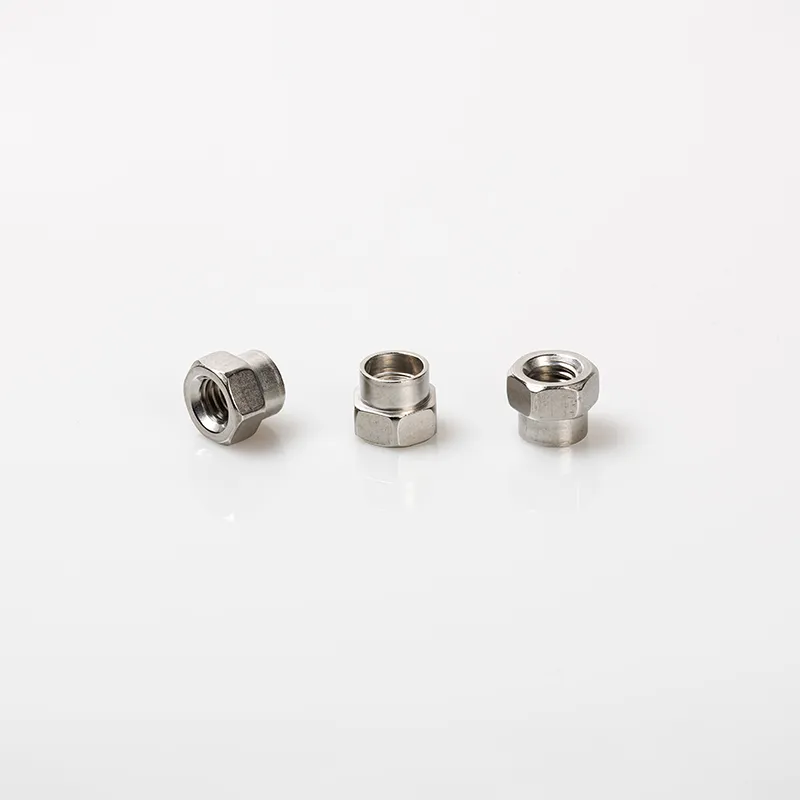
Match every attachment to the revision named in the evidence index. State explicitly when a blind-side view or mating part was not supplied. After quotes arrive, retain the original questions beside each answer and route technical deviations to the assembly owner.
Start with the sheet stack, hole definition, installation side, mating hardware, quantity breaks, and approval owner.
No. A photo records a visible condition; it cannot govern the hidden interface or released dimensions.
Tool side, blind-side clearance, surrounding flanges, inspection access, and the service direction of the mating hardware should be stated.
List the requested configuration first, then show the alternative, the changed feature, and the technical owner who will decide.
Pause when the sheet stack, hole condition, installation side, or acceptance method remains unresolved.
Use the linked TNHO rivet-nut product page for orientation and submit the controlled drawing package through the contact route.

 TNHO
TNHO 


