Threaded rods also referred to as threaded rod, threaded rods are long and cylindrical fasteners that have full-length threads on the shaft. Therefore, threaded rods are essential to many industries as a multi-purpose fastening device used to fasten, support, or connect. Due to the simplicity of their design and the ease of use in a variety of applications such as in construction, manufacturing, automotive, and many of the DIY projects.
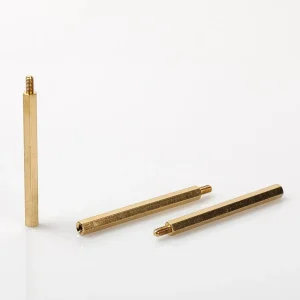
The performance and use of different types of threaded rods can depend heavily on the construction material they are made from. The most common materials for threaded rods are:
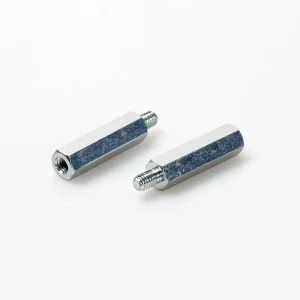
Threaded Rods: Threaded rods are mostly made from steel. Steel is a very strong and durable material. For outdoor and marine use, stainless steel or galvanized should be used. These metals have coating that makes all types of metals resistant to rust.
Brass is a popular choice for threaded rods due to its malleable and corrosion resistant characteristics; therefore, many industries, including plumbing and electrical work, utilize brass for their threaded rod applications.
Plastics and Nylon: Smooth threaded rods manufactured out of the material, such as plastic and nylon, have different advantages. They are lightweight, non-conductive and corrode extremely well in comparison to other materials. Commonly found within specific types of Industry’s like Electrical and Outdoor Projects that could be exposed to outside elements.
Threaded rods made from titanium or alloys are employed in aerospace and automotive applications where the need for high strength but little weight is critical; they resist high temperature and the forces that can cause deformation.
Threaded rods are a versatile fastener that can be used in many different applications because of their ability to adapt to many different uses. Let’s have a closer look at some of the advantages of using threaded rods.
1. Load Bearing Strength: Built solidly and with threads, these rods provide excellent durability and strength making them appropriate where they experience heavy loads and high stress.
2. Resistance Against Rusting Corrosion (based on how it’s made) – Many types of threaded fasteners made from different materials (like coated vs. plain materials) are resistant to rusting corrosion, particularly those made from stainless steel, and are therefore well-suited for both exterior applications and environments with high moisture levels.
3.Threaded rods are available in different diameters, lengths, and pitches, so you can select them based on your needs. Threaded rods are easy to install and adjust because they have continuous threads, making them convenient to use.
4. Cost Efficient Way to Fasten Things Together: The cost of threaded rod fasteners is significantly lower than other types of fastening hardware; they will provide you with a strong and flexible means to fasten items, at a very reasonable price, regardless of whether your project is large or small.
Threaded rods are ubiquitous in many different applications, detailed below are some common industries or situations dependent on rod fasteners:
1.The threaded rod has many applications in construction. They can create structures that can support from concrete (and wood) as anchor bolts for joining parts together – ie: securing joints between two pieces of wood, or to attach (heavy) pieces of equipment (machinery) into a concrete surface like a slab, or to use this same method to support electrical/electronic devices (like light fixtures) within the structure, and/or HVAC systems (heating, ventilating, air conditioning).
2.Assembly of Furnishings by Connecting Sections Together with Threaded Rods. Through the connection of various components of a piece of furniture, threaded rods allow for the inclusive assembly as well as strengthening of the overall piece of furniture, thus creating a stable and durable item.
3. Industrial Manufacturing: Threaded rods play an important role in assembling production machinery, maintaining fixed components, and aligning and holding together machinery during process assembly. Precisely engineered threads on threaded rods provide proper torque for installing the rods as well as provide precise placement of the rods when installed in production.
4.Automotive and Aviation: High threaded rods are typically used in automotive and aerospace because of their performance capabilities under extreme compression loads, and to attach vital parts of the automobiles; including engines, landing gear, and other supporting structures.
5.There are several uses for threaded rods, some of which are found in home improvement projects that require durability and accuracy. DIY decorators who want to create their own shelves or build their own furniture often turn to this material for the strength and precision they need when constructing their creations.
6. Plumbing & Electrical Applications: Threaded rods may be used to hold pipes in place in plumbing and to support heavy equipment (e.g., light fixtures, cable trays) on ceilings or walls in electrical work.
Threaded rods may be grouped according to their type based on various factors, including design intent and application.
Full-Threadd Hardware: The threaded rod has a continuous series of engraving marks around its circumference, which can be used to create multiple interlocking configurations for different applications.
Unlike fully threaded rods, threaded studs offer a plain shank between the two ends of the rod’s threading. This is advantageous for mechanical and automotive applications that require a double-ended threading.
Threads, whether Fine or Coarse: Depending upon the thread type of the rod that you are using, you can either choose fine or coarse thread. The fine thread will provide you with more precision in adjustment and strength of hold as compared to coarse thread which is used mainly for quick assembly and disassembly purposes.
What are threaded rods used for?
In various industries like construction, manufacturing and automotive, threaded rods provide fastening, securing, and/or supporting of structures and components.
What materials are threaded rods made of?
Rod made from multiple materials including: steel; stainless steel; brass; aluminum; nylon; and/or titanium, based on intended usage for applications.
What are the advantages of threaded rods?
With their high-strength, durability, and versatility across many different industries, as well as their ease of installation and relatively low cost, threaded rods are among the most widely used fastening solutions available today.
Wrap up, a threaded rod is essential within many aspects of industry due to their unique ability to work well with different materials, being able to withstand high weight limits, and for easy use. You can buy every type of rod out there; you will get the maximum performance from each rod type by selecting the right type of rod made from the correct material to meet your desired use. When choosing the correct rod for your project it is very important to choose a manufacturer that offers a warranty on all of their products. As long as you purchase a high-quality threaded rod from an accredited manufacturer, they should provide years of trouble-free service with minimal effort.

 TNHO
TNHO 


