Riveting has long been one of man’s primary fastening solutions. Due to their robustness, reliability and versatility, rivets have become integral to modern industry. So what exactly is a ‘rivet’? Essentially, a rivet acts as a permanent mechanical fastening device and is therefore used to create a bond between two pieces of material. In contrast to bolts and screws, rivets are not threaded and rely upon deforming into position to secure themselves into place in order to create an effective bond between the materials being secured together. This document will provide a review of the various uses of rivets, the types of rivets available and the materials used to manufacture them, and the many reasons why rivets are an acceptable choice for man in many applications.
Selecting an appropriate type of rivet is essential for creating strong, durable connections. There are many different types of rivets, each designed to accomplish specific tasks. Knowing what kind of rivet to use will help you develop a good decision.
1. Permanent Rivets: Solid rivets have been around for hundreds of years because they produce a very strong and dependable connection. Solid rivets are frequently utilized in applications in which the structural integrity of the joined materials is extremely important. Examples would include bridges, large commercial vessels, and tall buildings. Because solid rivets require access to both sides of the materials joined together, they generally require special tools for installation.
2.Blind Rivets blind rivets (pop rivets) allow for easier preparation since they allow you to fasten from only one side. That is an important benefit when working in limited access applications like putting together automotive panels or parts of airplanes. Additionally, these fasteners are available in various dimensions, various materials, and different head shapes. All of these different types of blind rivets are used for fastening together many different applications.
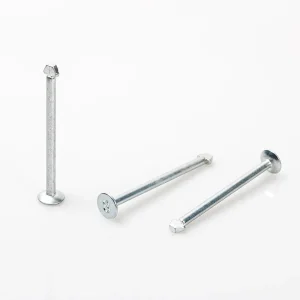
3.Split rivets have split ends which expand when hammered into a surface to attach two pieces together securely. They create very strong connections especially in softer types of material such as leather, textiles, or other flexible materials. For these reasons they are often used in the fashion industry, craft projects, and leather goods production.
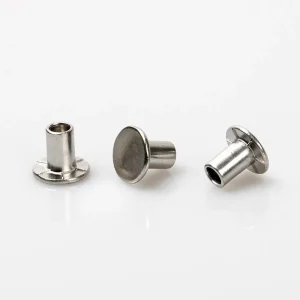
4. Tubular Rivets: Tubular rivets have a hollow body and, therefore, are lighter than solid rivets while still providing a robust mechanical connection. Tubular rivets are frequently found in furniture assemblies and leatherwork applications, where aesthetic appeal as well as functional efficiency are highly valued.
5. Drive Rivets: These rivets can be installed quickly using a hammer or pneumatic tool, making them ideal for high-speed production environments like factory assembly lines. They are often used in ventilation systems and other lightweight constructions.
Each type has its benefits, and the proper model will depend on the application(s), material(s), and environmental conditions.
Rivets are ubiquitous across industries, demonstrating their versatility and importance. Below are the major applications of rivets:
Steel structures require the use of rivets due to their strength and dependability in construction. Solid rivets are among the highest quality types of rivets available. They can handle very large amounts of weight with extreme pressure without losing their structural integrity over extended periods of time. Rivets that are installed in construction settings will remain intact even when subjected to vibrations.
Aerospace: Because of their lightweight design and versatile installation (only needing access from one side), blind rivets are extensively used in the aerospace industry. Blind rivets are frequently found in the fuselages, wings and engine components of aircraft because of their ability to resist vibration, heat and various environmental conditions.
Automotive Industry – The automotive scene extensively uses both blind rivets and solid rivets for the assembly of parts, such as body panels, frames, and external roof components. The use of rivets provides a durable solution to vehicle construction while at the same time allowing for efficient and cost-efficient manufacturing. Additionally, rivets provide superior performance characteristics under load or vibration and are therefore ideal for use in passenger vehicles, Commercial Vehicles, and Industrial Vehicles.
Manufacturers from many different types of businesses have been utilizing rivets since they can be assembled quickly and can be used in a wide variety of ways. Rivets are an important component when assembling items such as furniture (like an office chair or cabinet), appliances (e.g., microwave ovens), or machinery (e.g., manufacturing machinery), to name a few. For example, tubular rivets are commonly used in office chairs and cabinets to secure various components without detracting from the look of the finished product.
Rivets have always been a necessary part of the construction of ships because they help to build ships that can endure extreme conditions. Rivets are used to attach steel plates to one another and to create watertight connections on ships and offshore structures.
Electrical Components: Rivets find their way into electronics and electrical components where small connectors need to be fastened securely without compromising the design or space constraints of the product.
Textiles and Leather Goods: Split rivets and tubular rivets are often chosen for their aesthetic appeal in industries like fashion and leatherworking, where they secure belts, handbags, jeans, and decorative items.
Rivets are available in a variety of materials, each offering distinct properties for specific applications:
Aluminum: Lightweight and corrosion-resistant, aluminum rivets are commonly used in industries like aerospace and automotive, where weight and durability are critical.
Steel: Steel rivets are prized for their exceptional strength and longevity. Carbon steel and stainless steel variants can handle heavy-duty applications, making them ideal for construction and industrial machinery.
Copper: Copper rivets are highly resistant to corrosion and are used in applications requiring good electrical conductivity, such as electrical wiring and circuit boards.
Brass: These rivets boast resistance to corrosion while also providing an aesthetic appeal, making them popular in ornamental and plumbing applications.
Plastic: For lightweight, non-metallic applications, plastic rivets work well for securing softer materials without damaging them.
What are rivets used for?
Rivets are primarily used to join two or more pieces of material in a reliable and permanent way, making them essential for construction, automotive, aerospace, manufacturing, and decorative purposes.
Can rivets handle heavy loads?
Yes, rivets, especially solid rivets made of steel or aluminum, are designed to provide exceptional strength and durability, making them suitable for applications that endure heavy loads and stress.
Can rivets be removed if needed?
While rivets create permanent joints, they can be drilled or ground out when repairs or modifications are needed. However, removal requires care to avoid damaging surrounding materials.
What is the difference between rivets and screws?
Rivets offer permanent connections, while screws are removable fasteners that can be reused. Rivets are better for applications where long-term reliability is required, while screws are favored for adjustability and temporary assembly.
Rivets have proven to be an invaluable fastening solution across a wide range of industries due to their durability, ease of installation, and versatility. From aviation to fashion, rivets help create secure, efficient, and aesthetically pleasing connections in virtually every field. Understanding the different types, uses, and materials of rivets can help you choose the right type for your specific needs and optimize the success of your projects.

 TNHO
TNHO 


