Plain and serrated washers serve different joint questions in electrical meter assemblies. A plain washer is commonly reviewed for bearing-area and surface-protection needs, while a serrated washer is reviewed where tooth contact and surface marking are intentionally part of the joint design. Neither choice can be made from the washer name alone; the stack-up, coating, contact requirement, and approved installation method must be confirmed.
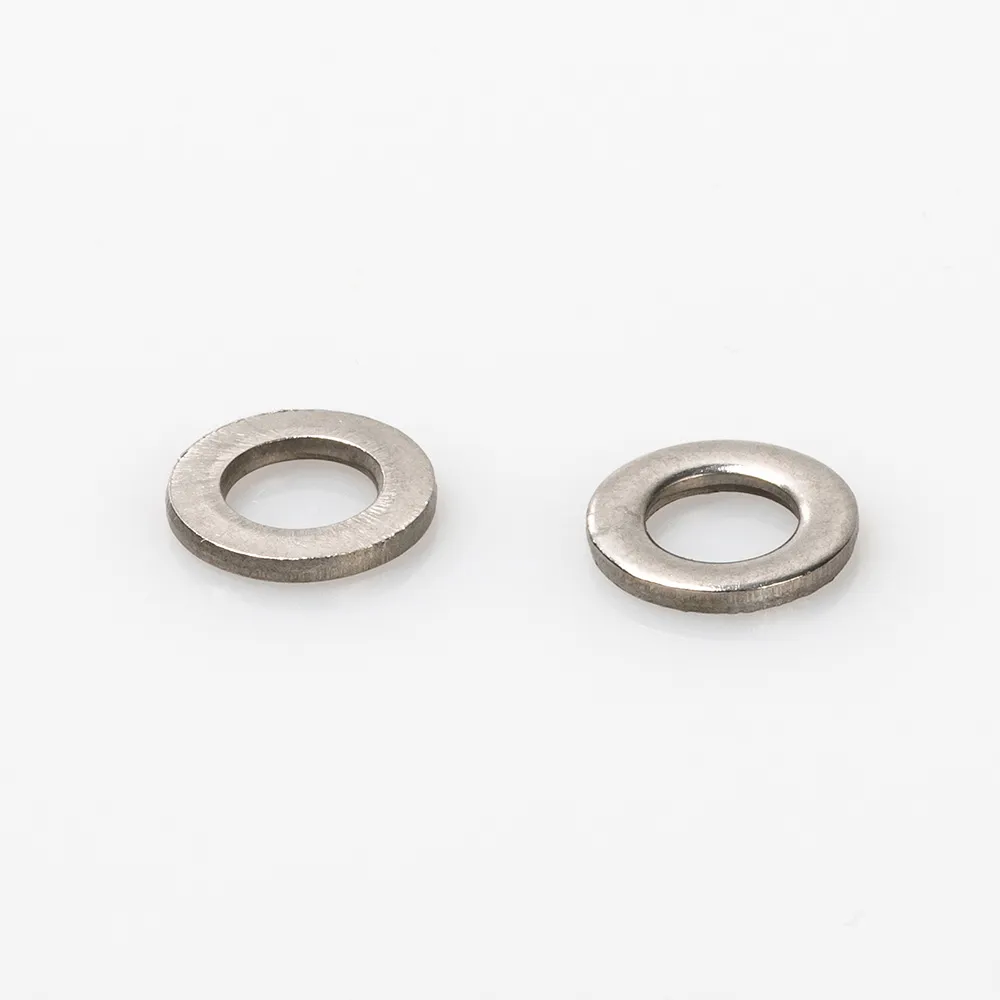
A plain washer is a flat ring placed beneath a fastener head or nut to provide a bearing surface. It can help distribute load over the clamped part and can help protect a surface from direct contact with the rotating fastener. A serrated or toothed washer has teeth intended to bite into contacting surfaces. That difference makes the two forms unsuitable substitutes when the drawing calls for a particular surface interaction.
The Velocity Bolting washer guide describes plain washers as load-spreading hardware and toothed washers as parts that create bite at their contact surfaces. Use this as general selection context. It does not establish electrical bonding, vibration performance, or suitability for any TNHO meter assembly.
Review a plain washer when the main requirement is a controlled bearing surface under a screw head or nut. This can matter around a panel hole, a softer cover material, a finished surface, or an assembly where the fastener head must not directly mark the component. The required outside diameter, thickness, material, and surface condition remain drawing-level inputs.
| Joint condition | Plain-washer question | Required confirmation |
|---|---|---|
| Painted or cosmetic cover | Must the surface remain protected from head rotation? | Finish and allowable marking. |
| Oversized or slotted panel hole | Is a larger bearing area required? | Hole geometry and clamp-load design. |
| Thin panel | Does the head or nut need a defined bearing surface? | Panel material and stack-up. |
| Preassembled screw stack | Is a flat washer already part of the specified order? | Assembly drawing and parts list. |
Plain does not mean universal. A washer that spreads bearing area may be the wrong form if the joint needs a specific locking method, electrical-contact arrangement, spacer function, or controlled spring response. Keep those needs separate in the design review.
The teeth on a serrated washer can create localized contact and leave marks on the surfaces they meet. That may be intentional where the drawing specifies a tooth-contact interface, but it can be unacceptable on a protected finish, a soft component, or a surface that must remain reusable without damage.
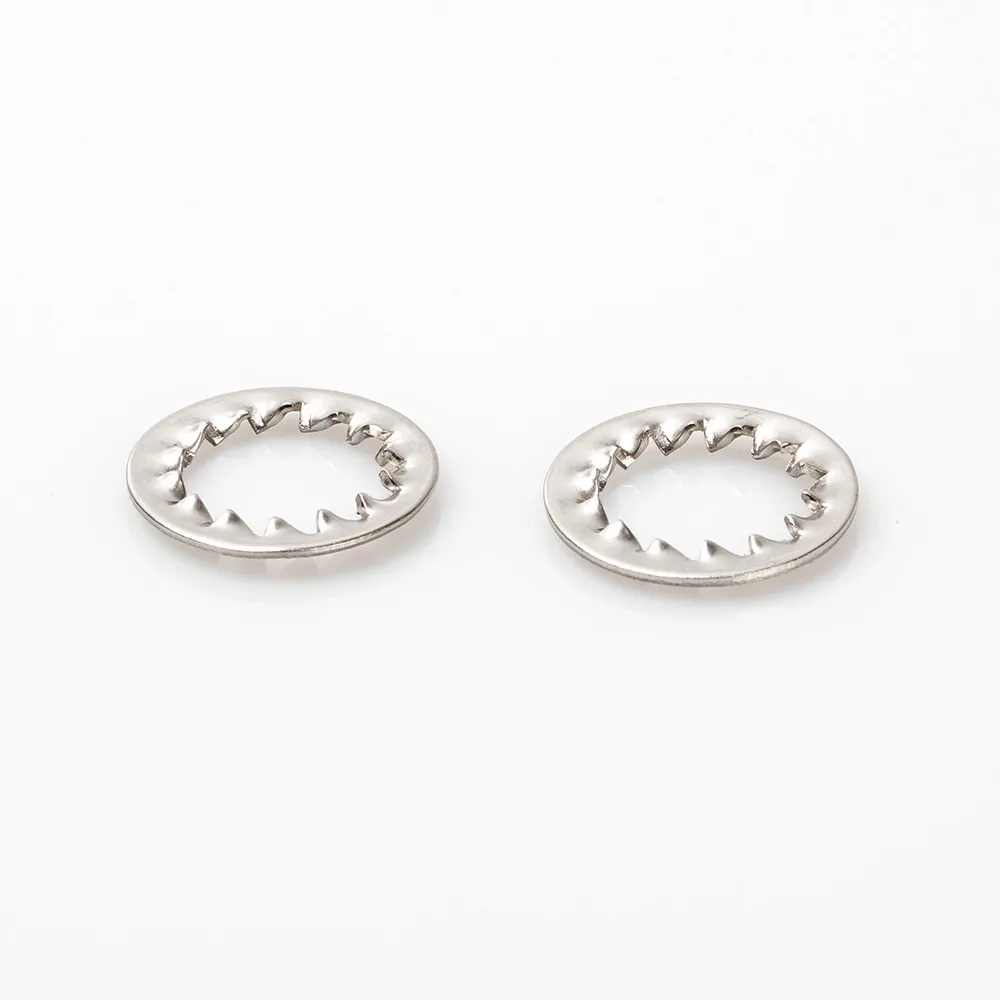
For electrical assemblies, people sometimes associate teeth with paint or oxide disruption. That is not a blanket approval for a grounding or EMC claim. If electrical continuity is a project requirement, the system owner must define the required path, coatings, test method, materials, and acceptance criteria. A washer article cannot prove that a particular joint achieves those outcomes.
The same restraint applies to loosening resistance. Serrations may change friction and surface interaction, but vibration-sensitive or high-consequence joints need the specified retention method and validation. Do not replace an approved locking strategy with a generic tooth washer simply because it looks similar.
Draw the stack in the same order it is installed: fastener head or nut, washer or washers, cover or terminal component, spacer, mating part, and thread or nut. Then identify which interface is supposed to carry bearing load, which can tolerate marking, and which must remain electrically or mechanically controlled.
If both a plain and a serrated washer appear in a proposed assembly, the order is not a generic rule. The drawing must show it. Ask what each part contributes: surface protection, bearing area, tooth contact, a captive assembly feature, or another purpose. This prevents a buyer from ordering a combined stack with no defined rationale.
| RFQ input | Why it matters |
|---|---|
| Washer type and controlled drawing callout | Distinguishes plain, internal-tooth, external-tooth, or another specified form. |
| Inner and outer diameter, thickness, and tolerance | Prevents a visually similar but mismatched substitute. |
| Fastener, panel, and mating-material details | Supports review of the actual contact interfaces. |
| Coating, finish, and marking limitations | Identifies surfaces that teeth must not damage. |
| Required joint or electrical test criteria | Keeps performance acceptance with the approved system requirement. |
| Assembly sequence and quantities | Makes product and packaging quotations comparable. |
Supply the current revision and state whether the washer is loose, captive, or part of a preassembled screw. If the article’s reader is buying a meter-cover or terminal assembly, the practical need is a documented stack-up—not an unsupported promise that any washer geometry will solve vibration or electrical-contact concerns.
Pause the selection when the joint needs a verified seal, high-consequence anti-loosening behavior, a specific grounding path, or a preload-sensitive design. Those functions may require other hardware, system-level validation, or a drawing revision. A washer choice made only from product appearance is not enough.
Also pause when the chosen serrations would damage an essential coating or when a plain washer cannot provide the required geometry. The Fit Boundary is important because an electrical meter assembly can include distinct cover, terminal, and internal interfaces; one washer type does not define them all.
Use the TNHO washer product page to orient a product discussion after the assembly drawing is fixed. The page identifies the available product family but does not replace the required dimensions, material, coating, or application validation. For broader assembly context, review electric meter screws and the Electric Meter Fastener Guides.
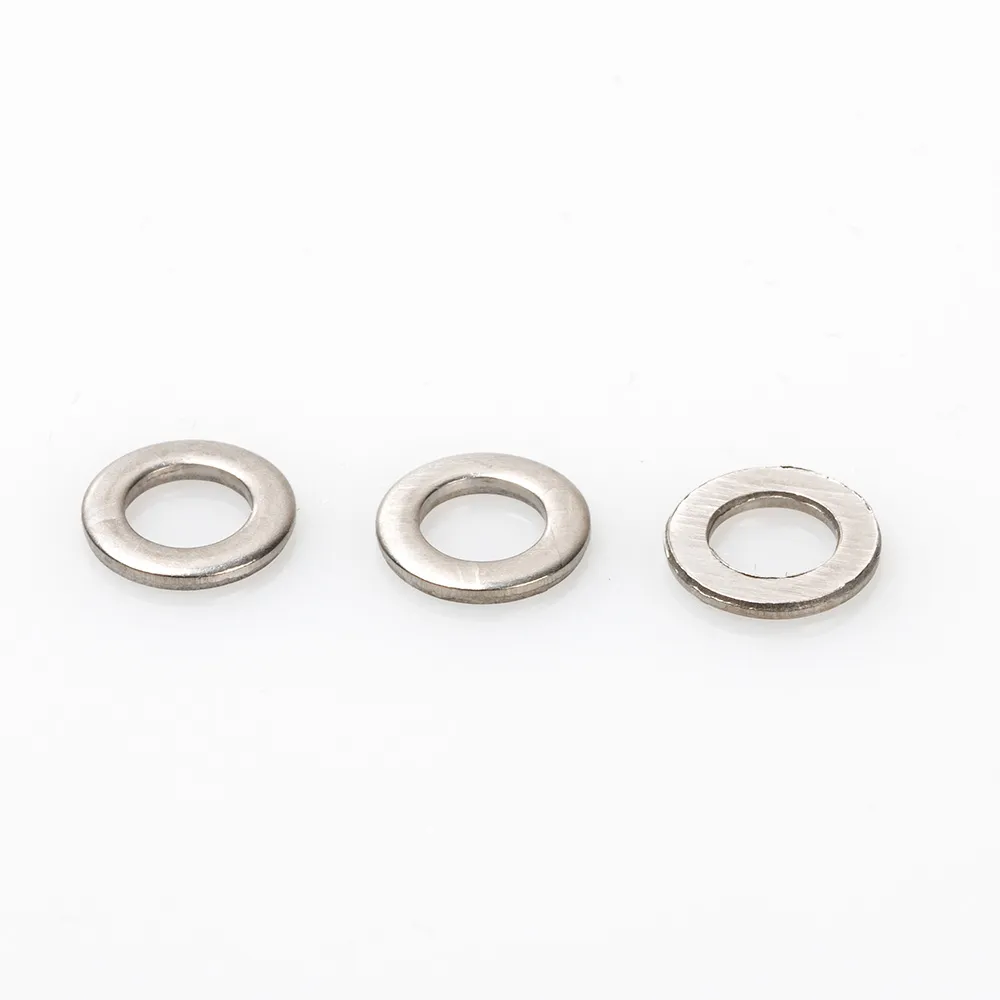
When ready, send the controlled washer callout and assembly stack-up with quantities and any inspection requirements. The existing lock washer guide gives adjacent background, while this article focuses on choosing between plain and serrated surfaces in a meter-assembly context.
A plain washer is commonly used to provide a bearing surface and distribute load under a fastener head or nut. The drawing should define the required dimensions and interface.
Its teeth create localized contact with mating surfaces. That can mark the surface, so the contact and finish requirements must be intentional.
Only if the controlled assembly design permits its surface effect. Confirm coating, appearance, electrical requirements, and acceptance criteria first.
No. Joint behavior depends on the full retention method, installation process, and validation required by the application.
They can appear in a specified stack, but their order and purpose must be shown on the assembly drawing rather than assumed.
Provide the controlled callout, dimensions, material and finish requirements, mating components, stack-up, quantities, and inspection or test requirements.

 TNHO
TNHO 


