Knurled thumb screws for meter covers are worth considering when a cover must be opened by an approved person without a separate driver, but the choice starts with the panel stack-up, thread engagement, head clearance, and service process. Knurling improves hand grip; it does not by itself establish retention, tamper resistance, sealing, or suitability for a particular meter.
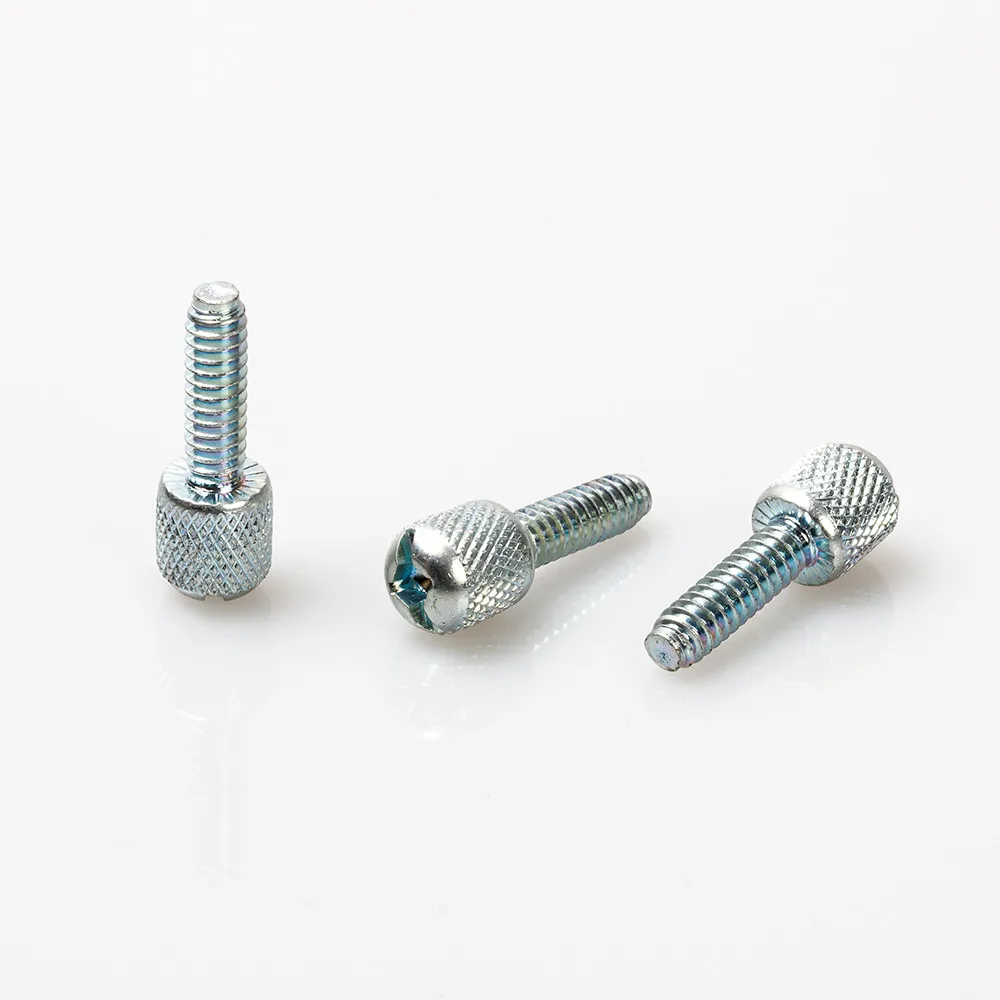
A knurled thumb screw is a hand-operated fastener with a textured perimeter that gives the operator a purchase for tightening and loosening. The useful question is not whether the part can be turned by hand in isolation. It is whether the cover has a defined access routine, enough room for fingers, and a joint that remains controlled through assembly and service.
For a meter cover, write the functional requirement first. The fastener may hold an inspection cover, support a removable panel, locate a light guard, or permit routine adjustment. Each function changes the drawing inputs and the risks of choosing a visually similar part. AIMS Industrial’s thumb screw guide distinguishes hand-operated head forms and profile choices; use that distinction as a starting point rather than as a substitute for the assembly drawing.
The head must be reachable after adjacent housing features, labels, seals, and internal components are in their intended positions. Review where the operator approaches the cover, whether fingers can rotate the head, whether gloves are expected, and whether the cover needs a defined opening sequence.
| Access condition | Question for the drawing review | Selection consequence |
|---|---|---|
| Open perimeter around the head | Can fingers grip the knurl through the whole rotation? | A cylindrical knurled head may be practical. |
| Shallow recess or tight clearance | Does head height interfere with the cover or surrounding wall? | Review a lower profile; do not assume a larger head fits. |
| Frequent removal | Must the fastener remain with the cover after opening? | Consider whether a captive arrangement is required. |
| Restricted service access | Is a tool or authorized process required instead? | A hand-operated fastener may be the wrong premise. |
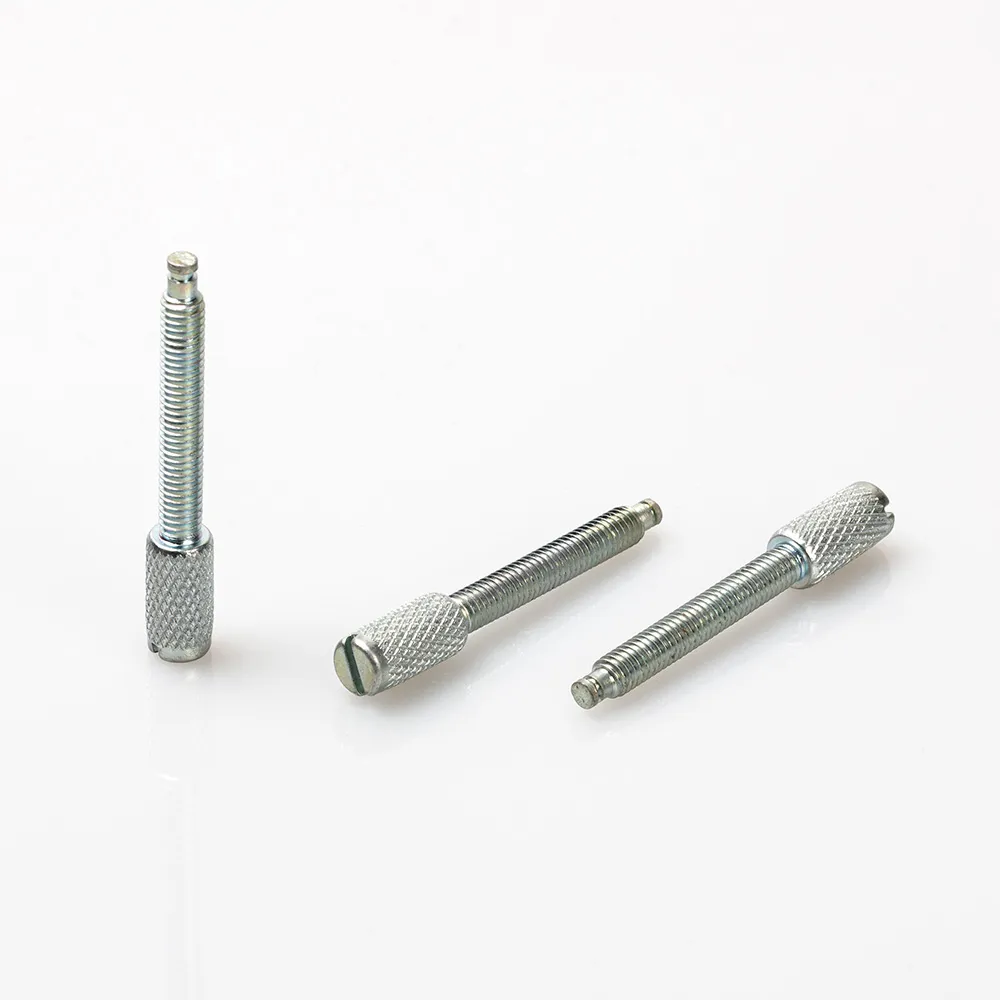
Lyn-Tron’s captive-panel guide explains the basic purpose of keeping a released screw with a panel. It does not prove that every thumb screw is captive or that a particular TNHO product supports a given panel thickness. If retention after opening matters, state the required retainer, panel thickness, and mating distance in the design input.
Start with the controlled thread callout and the cover stack-up. The screw needs a defined mating feature, usable engagement, and clearance beyond the panel; none of these values should be guessed from a product photograph. Check head diameter and height against the exterior envelope, then check under-head bearing area, panel hole, cover thickness, spacer or gasket thickness, and the depth available in the mating feature.
Thread size alone does not describe a serviceable cover joint. A thread that fits the mating hole can still be unsuitable if the cover is too thick, the fastener bottoms before clamping, the head fouls a recess, or a nearby component blocks hand rotation. Show the full stack in the drawing and identify any non-metal layers that could settle or change the clamped condition.
The cover material can influence how a bearing surface is protected and how a repeated service cycle is managed. Soft, painted, coated, or cosmetic surfaces need an intentional interface; a hand-operated head should not be assumed to behave well against every finish. If a washer, shoulder, spacer, or captive retainer is part of the stack, put it in the bill of materials and show its order.
Do not turn a general material observation into a product claim. The buyer should supply the cover material, finish constraints, opening frequency, and whether visible marking is acceptable. Those items allow the design owner and supplier to discuss the interface without inferring corrosion resistance, sealing, or torque capability.
| RFQ input | Why it is needed |
|---|---|
| Current cover drawing and revision | Defines the panel, hole location, clearance, and controlled geometry. |
| Thread callout and mating detail | Prevents a size-only request with no engagement context. |
| Head-envelope and finger-access requirement | Confirms that hand operation is physically possible. |
| Stack-up, spacer, washer, or gasket information | Lets reviewers identify bottoming or interference risk. |
| Service and retention requirement | Distinguishes a removable screw from a captive-cover requirement. |
| Quantity breaks and inspection needs | Makes supplier quotations comparable. |
Explain whether the screw is installed before the cover is closed, through an exterior access opening, or during a later service event. That sequence often changes the available hand clearance. It also helps prevent a purchase request from using “thumb screw” as a shorthand for an undefined cover mechanism.
Do not choose a thumb screw simply because a cover is removable. A different fastener or closure method should be reviewed when the assembly requires controlled tool access, a documented tamper-control process, a hidden head, a specified preload, or a verified environmental seal. The same boundary applies when the consequences of loosening or loss are not understood.
Hand operation is an ergonomics decision, not a certified safety or security claim. If the cover affects electrical isolation, measurement integrity, or another high-consequence function, the joint must be reviewed against the applicable system design and approved service procedure.
Begin with the site’s electric meter screw range to place the cover fastener in the broader assembly context. Then review the knurled hand-tightening thumb screw product page against the controlled drawing. The page is a product-navigation destination; it does not replace the project requirements for thread, head envelope, material, or service cycle.
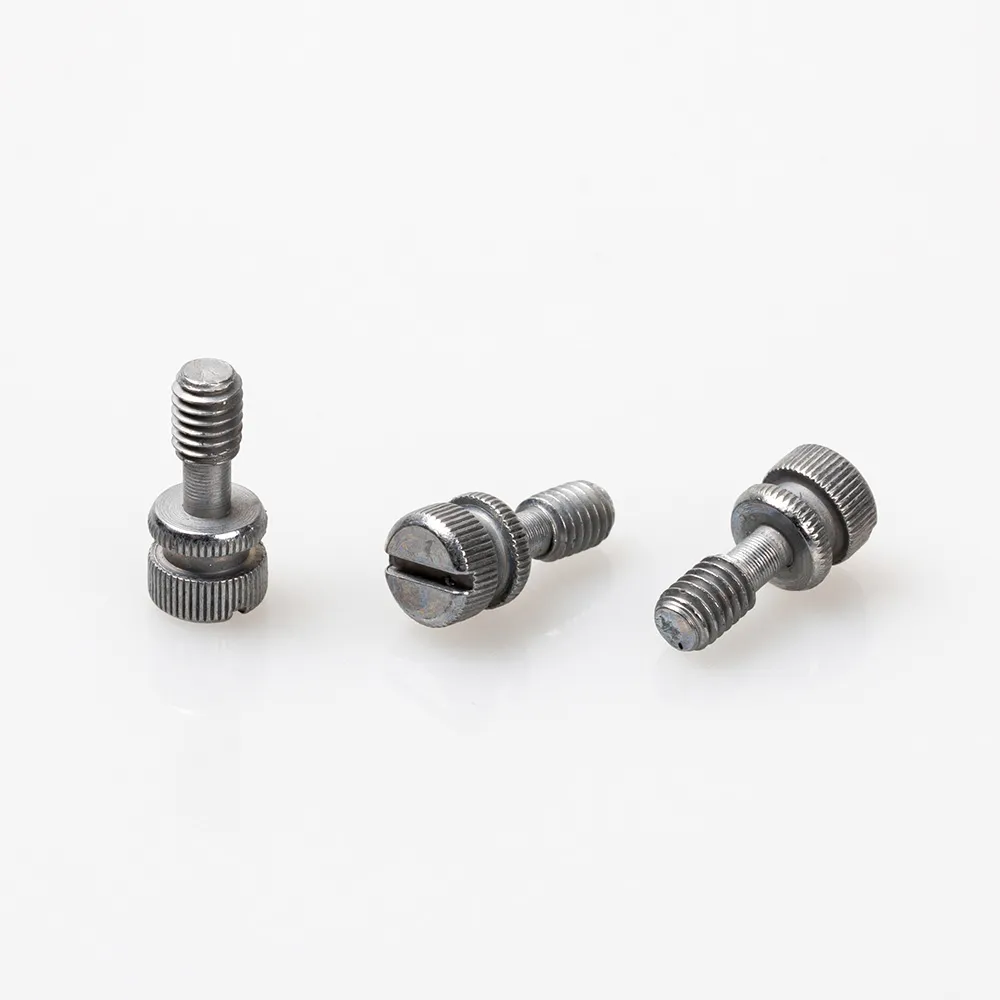
For a quotation discussion, send the cover drawing and access details with the requested quantities and revision. Related context is available in the Electric Meter Fastener Guides and the meter screw specification guide.
A knurled thumb screw has a textured head perimeter intended to be turned by hand. The drawing still has to define the thread, head envelope, and mating condition.
No. A captive function needs a specified retainer or construction that keeps the released screw with the panel.
Do not assume it can. Hand operation and tamper-control are different design questions that need the approved cover and service requirements.
Check the cover stack-up, thread engagement, head clearance, finger access, opening sequence, and whether the screw must stay with the cover.
No. Knurling supports grip. The joint behavior depends on the documented thread, bearing surfaces, stack-up, and installation process.
Include the current drawing, thread callout, cover thickness, head envelope, mating detail, service requirement, quantities, and acceptance needs.

 TNHO
TNHO 


