Cabinet hex-socket bolts fail RFQs when head envelope and Allen-key access are left as tribal knowledge instead of controlled clearance inputs.
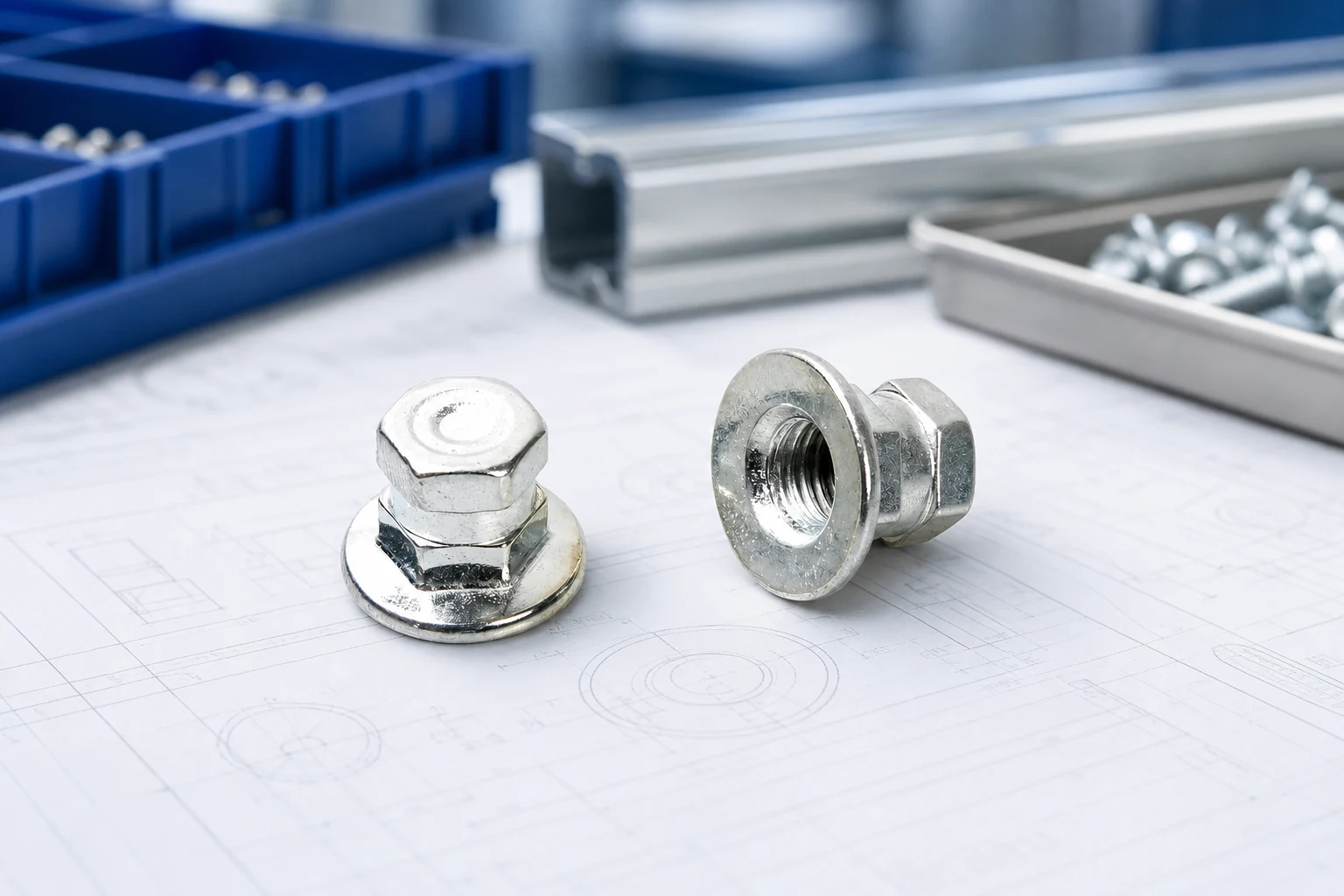
Identify the cabinet panel revision, the head pocket or surface that limits the socket cap, and the tool path for the hex key. A multi-series hex-socket product route helps navigation, but it does not prove that a familiar socket size clears the next cabinet layout.
Write confirmed clearance notes separately from unknowns so buyers do not treat a prior socket bolt as automatic fit.
Treat head height, hex-socket size, neighboring features, and install sequence as distinct quote fields.
| Clearance input | What to record | Send with quote |
|---|---|---|
| Cabinet revision | Panel or bracket drawing that owns the bolt location | Yes |
| Head envelope | Allowed cap height and diameter relative to nearby walls | Yes |
| Hex key access | Approach angle and length needed for the socket drive | Yes |
| Neighbor interference | Terminals, hinges, or covers that crowd the head | Yes |
| Install step | When the bolt is driven relative to door or cover fit | Yes |
Leave blanks open. Do not fill them with load, torque, or material assumptions.
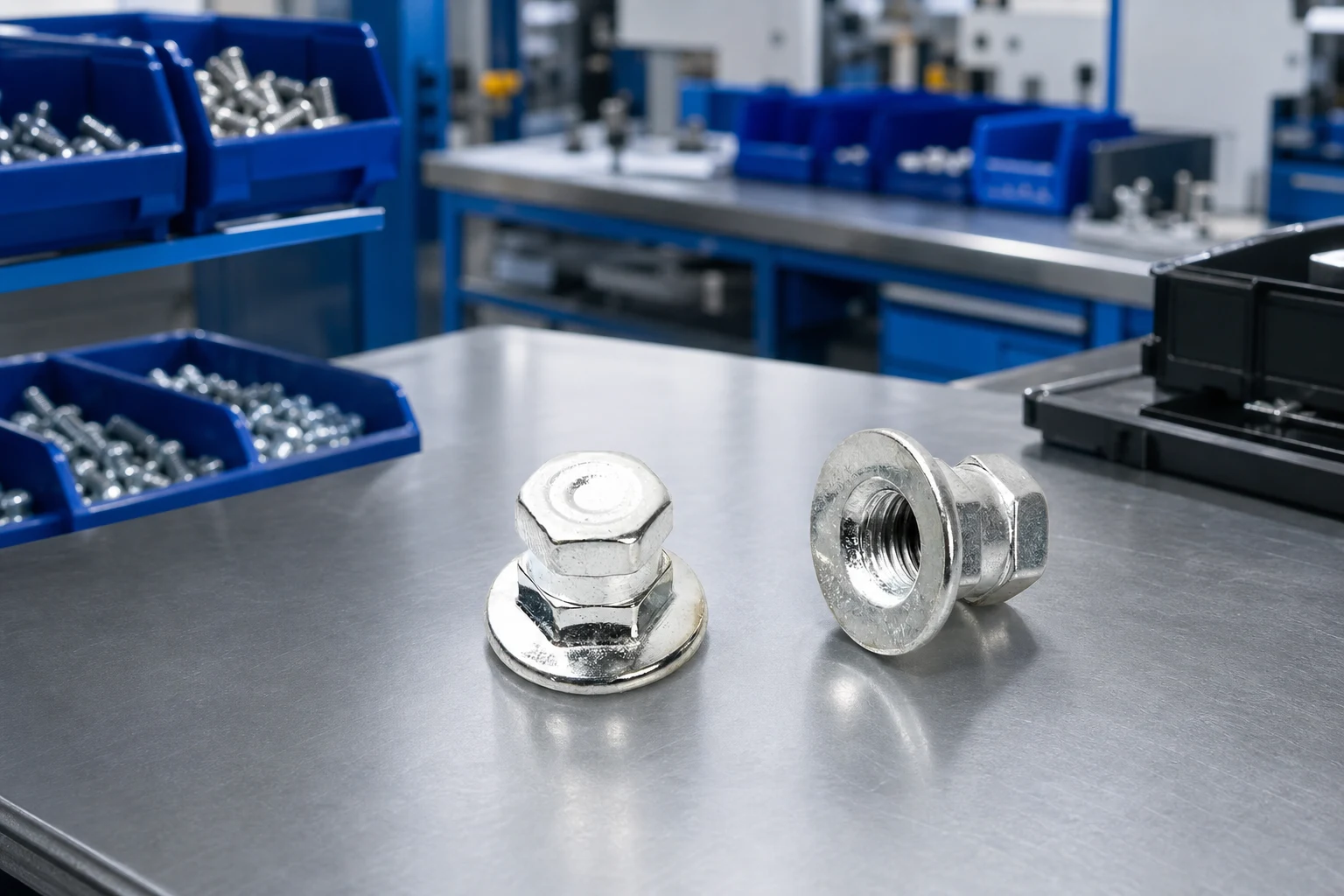
A sample can show whether a hex key reaches the socket under a representative panel slice. It cannot invent a missing clearance note or establish structural capacity. Photograph head-to-wall gaps, mark them to the revision, and list unverified distances.
Escalate any sample that needs a shorter head or different socket than the drawing shows.
Share the same revision, clearance fields, quantities, destination, and open points with every supplier. If key access is still unknown, say so instead of allowing each quote to assume a different head form.
Attach alternatives to the clearance question they answer so procurement can escalate geometry changes cleanly.
Important: Do not release a purchase description for hex socket bolts cabinet head clearance when the controlling drawing, interface, or approval owner is still open; keep misfit risk visible in the RFQ. — Source: ISO standards catalogue.
This checklist does not prove torque capacity, clamp load, vibration resistance, corrosion performance, sealing, electrical ratings, certification, or lifecycle. Those results need product-specific evidence and the assembly owner’s validation plan.
Fit Boundary: pause when head envelope, hex-key access, or revision ownership is unclear. Resolve clearance inputs before recommending a product family.
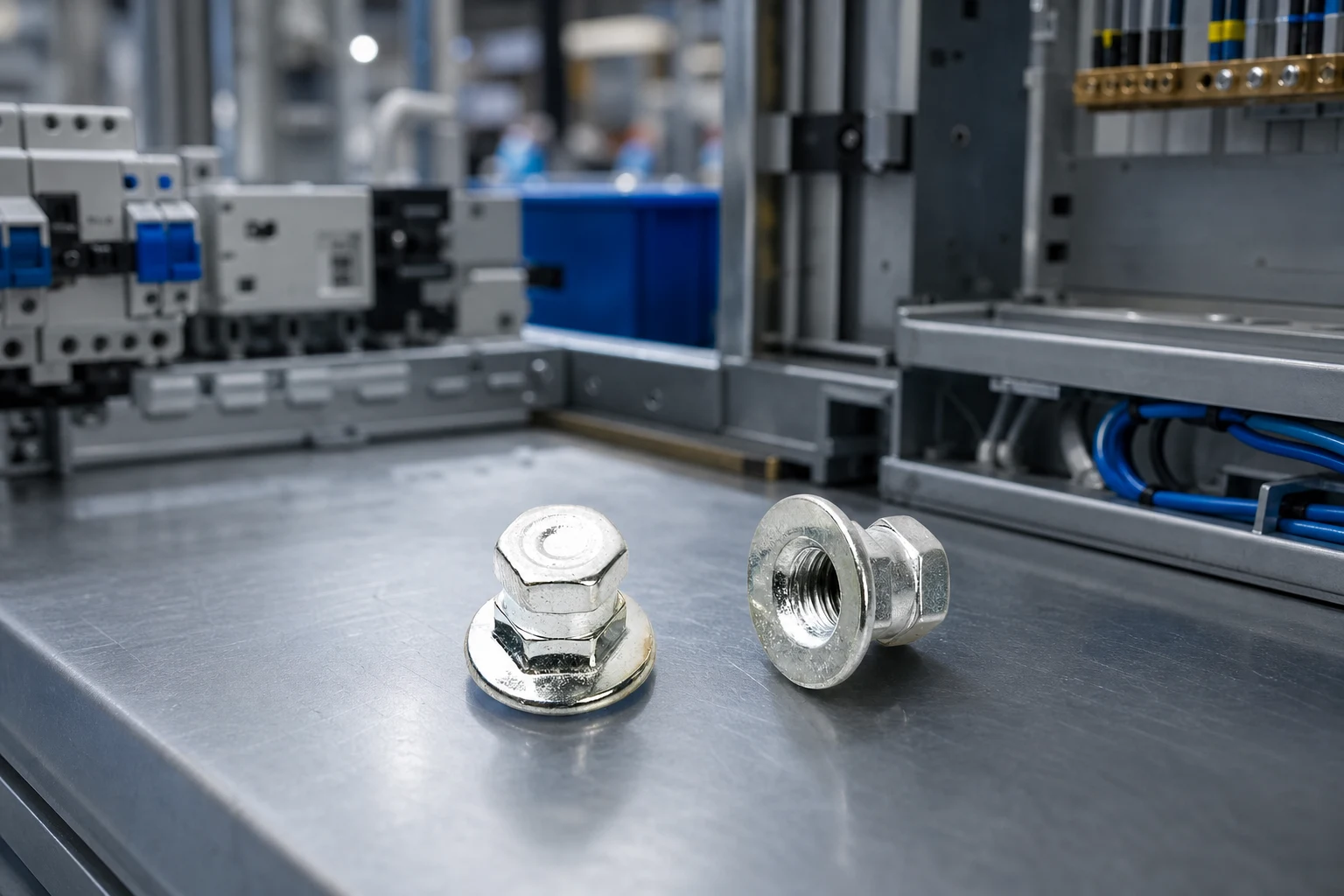
After clearance inputs are ready, use the TNHO customized multi-series hex socket bolts for focused discovery. The destination confirms a related hex-socket bolt family; it does not replace the cabinet drawing or create unlisted dimensions or lead times.
Send with quote / RFQ bullets:
– Cabinet revision and head-envelope notes
– Hex-key access and neighbor interference
– Quantities, destination, and open points
– Approval owner for any head-style alternative
Send the controlled drawing and RFQ inputs. For cabinet clearance navigation, open TNHO products then continue with Electrical Fasteners: Some Basic Information.
Confirm revision, head envelope, hex-key access, and neighbor interference.
No. Clearance must be tied to the cabinet drawing.
One package with clearance fields, quantities, destination, and open points.
No. Strength and compliance need project-specific evidence.
Pause when head envelope or tool access is undefined.
Use the verified hex-socket product route with the clearance package.

 TNHO
TNHO 


