Cross-recess countersunk screws need recess-depth and flush-condition inputs on the RFQ so suppliers are not guessing from a generic flat-head description.
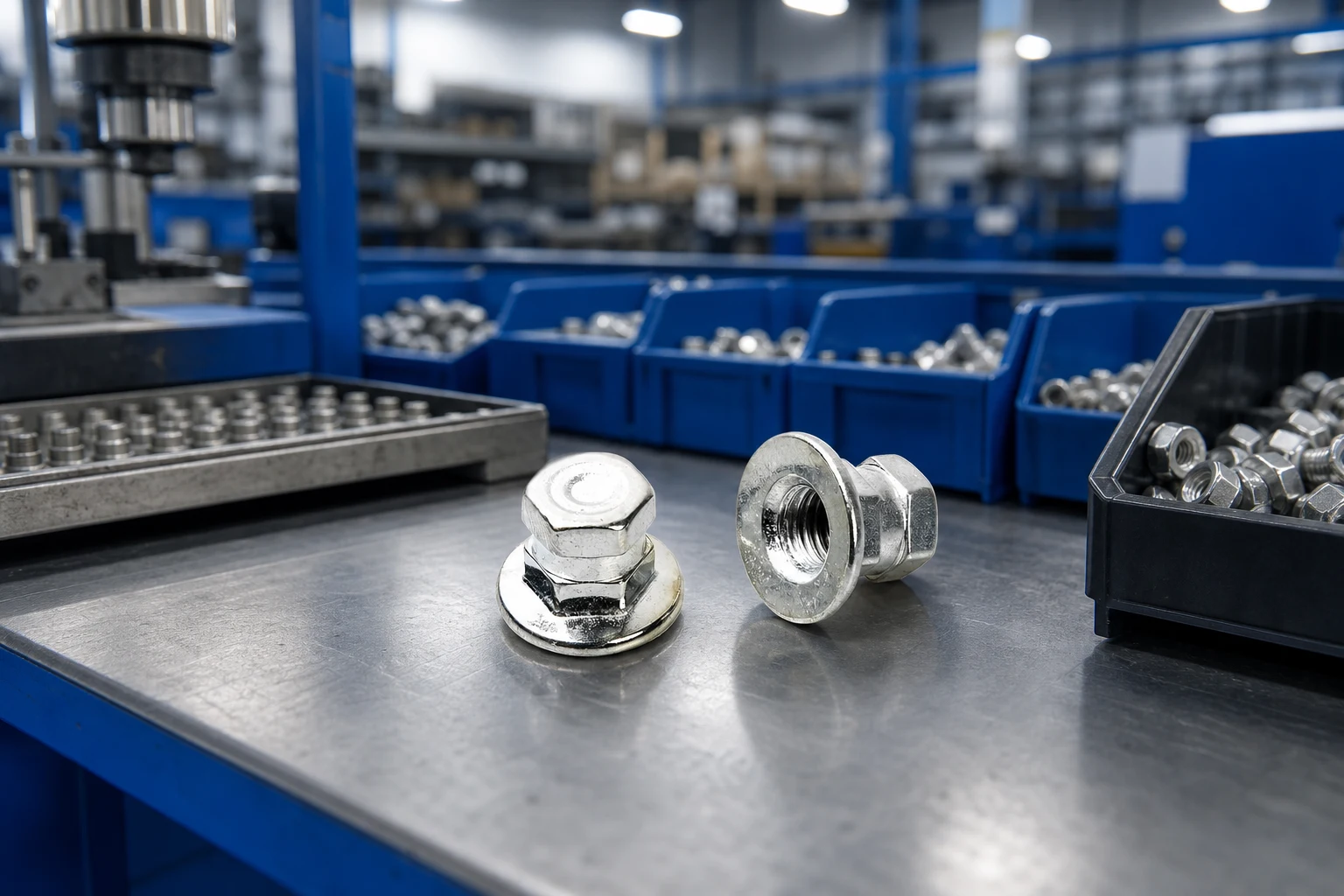
Begin with the plate or cover revision that defines the countersink, the intended flush or below-flush condition, and the owner of recess acceptance. A cross-countersunk product page supports discovery; it does not define recess depth for the next panel.
Keep confirmed countersink notes apart from open driver-access questions.
Use a table so recess geometry, flush target, and cross-drive access travel together.
| Recess-depth field | What to record | Send with quote |
|---|---|---|
| Plate revision | Drawing that owns the countersink feature | Yes |
| Countersink / cone note | Angle or depth callout if shown | Yes |
| Flush target | Flush, slightly proud, or below-flush requirement | Yes |
| Cross-drive access | Tool path needed to seat the recess fully | Yes |
| Edge proximity | Distance to bends or openings that limit head seating | Yes |
Do not invent hardness, torque, or corrosion claims to complete empty rows.

A sample can reveal whether a cross bit bottoms before the head seats. Photograph flushness against the plate, mark observations to the revision, and list unverified depth dimensions.
If the sample needs a different recess or cone than the drawing shows, the drawing owner must decide how the change is documented.
Distribute one revision package with recess-depth fields, quantities, destination, and open points. When flush target is undecided, keep it labeled open.
Map supplier alternatives to the specific recess question they address.
Important: Do not release a purchase description for cross countersunk screw recess depth when the controlling drawing, interface, or approval owner is still open; keep misfit risk visible in the RFQ. — Source: ISO standards catalogue.
This article does not prove clamp load, strip-out resistance, sealing, corrosion performance, electrical behavior, certification, or lifecycle. Those outcomes require product-specific evidence and assembly-owner validation.
Fit Boundary: pause when countersink notes, flush target, or recess ownership is missing. Resolve depth inputs before recommending a screw family.
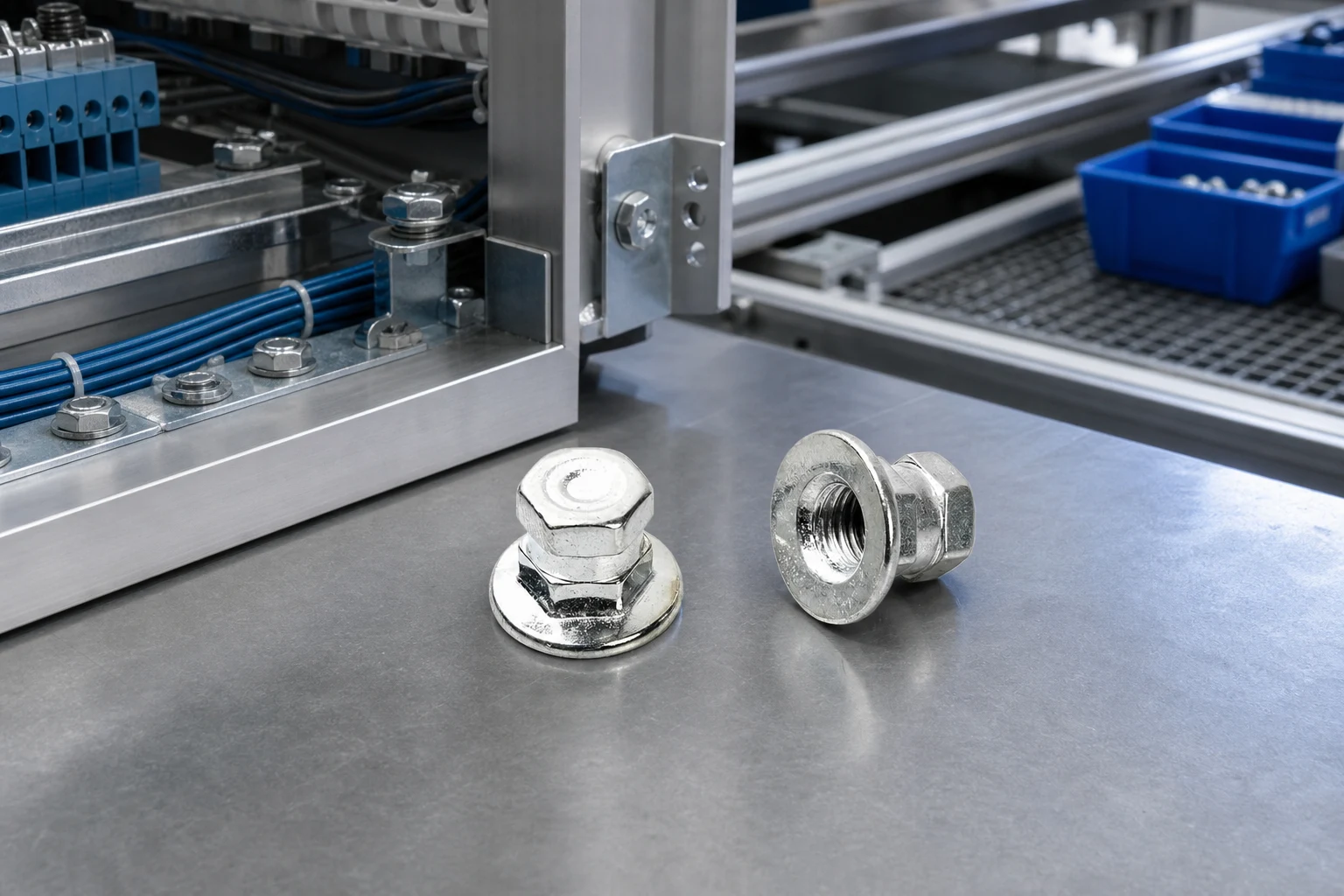
Once recess inputs are ready, open the TNHO customized high-precision cross countersunk screws. The page confirms a related cross-countersunk family; it does not replace depth callouts or create unlisted lead times.
Send with quote / RFQ bullets:
– Plate revision and countersink/cone note
– Flush target and cross-drive access
– Quantities, destination, and open points
– Approval owner for recess alternatives
Send the controlled drawing and RFQ inputs. For recess-depth navigation, open TNHO products then continue with Electrical Fasteners: Some Basic Information.
Confirm plate revision, countersink note, flush target, and drive access.
No. Recess and flush condition must come from the controlled drawing.
Include recess-depth fields, quantities, destination, and open points.
No. Performance needs project-specific evidence.
Pause when flush target or countersink ownership is unclear.
Use the verified cross-countersunk route with the recess package.

 TNHO
TNHO 


