Button-head screw tool access is a drawing-review question before it is a sourcing question. To make quotes comparable, identify the released assembly, the driver approach, the nearby components, and the person authorized to accept an alternative.
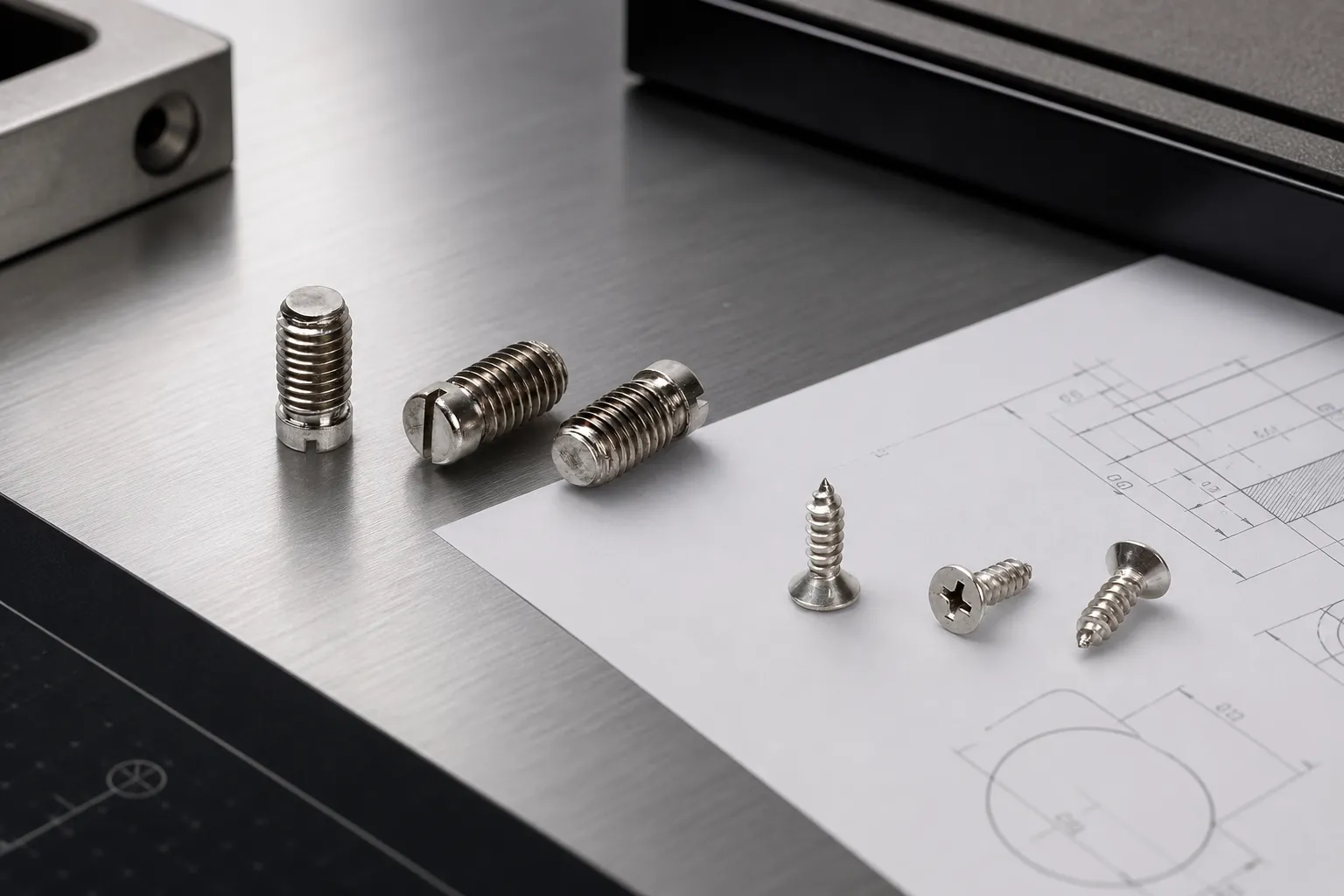
Name the exact assembly and drawing revision before describing a familiar head style. The useful starting view shows the fastening location, the intended installation direction, and the components that surround the tool path. A product label can help locate a family of options, but it does not state what the released assembly accepts.
Keep the question narrow: can the specified tool approach the shown drive without colliding with the surrounding interface? Record the assembly identifier, revision, location reference, quantity range, and technical approval owner. That makes unknowns visible before they become different assumptions in supplier replies.
Use separate fields for the head-side space and the path a driver must follow. The request should preserve the evidence available to the buyer rather than asking a supplier to infer a clearance condition from a product photograph.
| RFQ evidence field | What to send with quote | Why it matters in review |
|---|---|---|
| Controlled assembly view | Current drawing extract and revision | Identifies the source that governs the request |
| Fastening location | Callout, view direction, and adjacent parts | Locates the access question |
| Driver approach | Intended direction and visible obstruction note | Separates approach from an assumed tool choice |
| Head-side envelope | Released interface view or explicitly open question | Keeps surrounding space reviewable |
| Quantity and packaging | Quantity breaks and any defined packaging requirement | Aligns commercial scope |
| Acceptance owner | Named reviewer for deviations | Distinguishes quotation from approval |
Send the same evidence register to every supplier. It is not a declaration of an available head form, drive, thread, material, torque, or installation result.
An image may be useful for pointing out an observed head and drive feature. It cannot establish the dimensions of the driver path, the hidden receiving feature, or the final assembly condition. Label each photo or removed sample as an observation unless the controlled record identifies it as the released requirement.
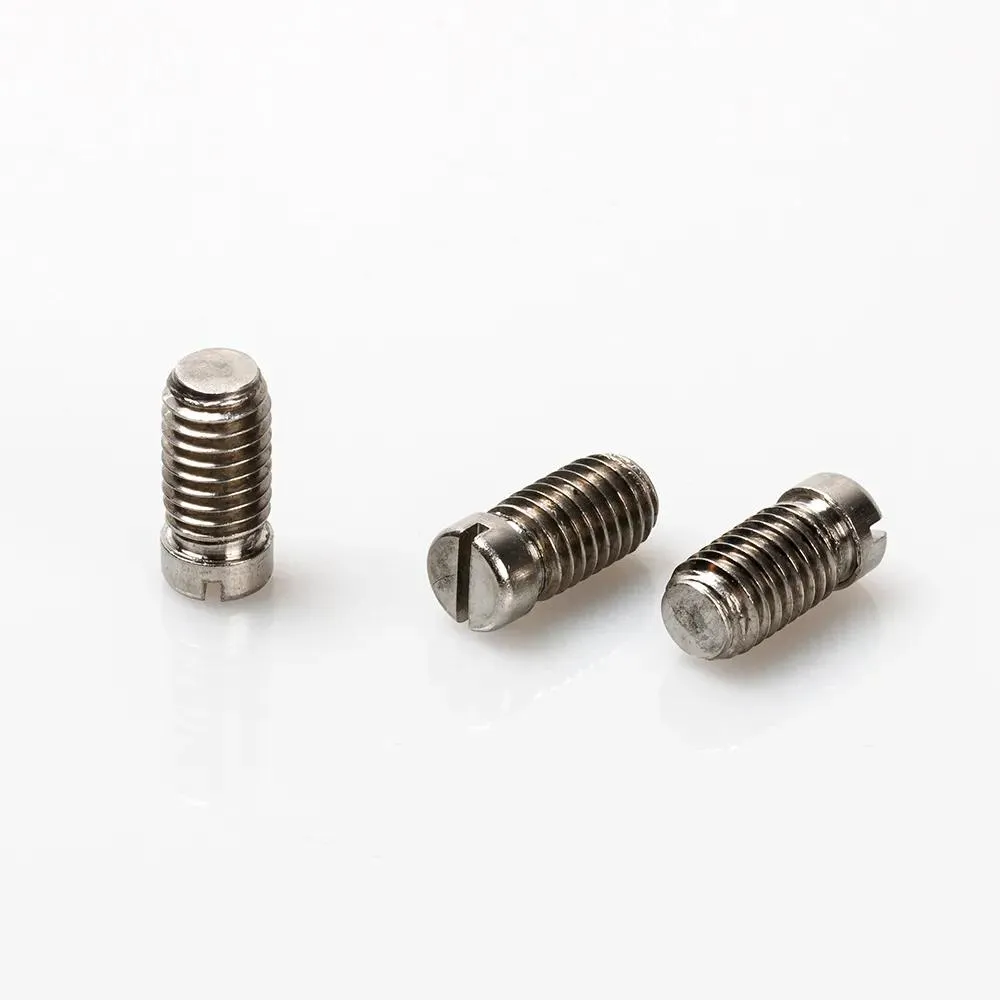
For a sample, preserve the source, date, viewing direction, and associated assembly. When a measurement is used to open a question, keep it separate from the drawing-controlled value. This helps the technical owner see whether a quote responds to a requirement or merely repeats an observation.
Before the RFQ is issued, confirm that the package identifies the access side, any nearby obstruction, the driver direction, and the owner for unresolved conditions. If one of these is unknown, state that gap directly.
Ask every respondent to name the revision used and state how they read the access condition. Alternatives should appear in a separate field, with the changed feature and the reason for the proposal. This keeps a possible substitute from being compared as though it matched the original evidence.
| Response item | Supplier response requested | Buyer review action |
|---|---|---|
| Drawing source | Revision and relevant view | Stop comparison when the source differs |
| Access reading | Driver direction and interface understood | Compare against the evidence register |
| Open question | Missing view or unclear obstruction | Return to the assembly owner |
| Alternative | Changed feature and reason | Keep apart from the requested condition |
| Commercial scope | Quantity, packaging, and response assumptions | Compare only aligned replies |
This record supports a controlled discussion; it does not release a part for production. Store clarifications with the revision so a later change cannot silently inherit an earlier interpretation.
This workflow does not prove clearance, torque, load capacity, corrosion behavior, sealing, electrical behavior, lifecycle, certification, compliance, or suitability for a specific assembly. Those outcomes need product-specific evidence and a validation plan selected by the assembly owner.
Important: Pause the RFQ when the released assembly view, driver approach, surrounding interface, or acceptance owner is missing. A drawing communicates design intent, but an incomplete evidence package cannot prove a fastening outcome. ASME Y14.5 dimensioning and tolerancing
The method is useful when a buyer can distinguish a controlled requirement from a visual clue. Where the needed view cannot be shared, record the restriction and identify the authority that must resolve it before responses are treated as comparable.
TNHO publishes a screws navigation route and related button-head screw reading. They can help a buyer begin a category conversation, but they do not establish a specific configuration, fit, performance, certification, or delivery commitment.
For an inquiry, use the TNHO service route and provide the controlled access record through the contact page. Include the current revision, visible approach conditions, open questions, quantity range, and the person who can approve a deviation.
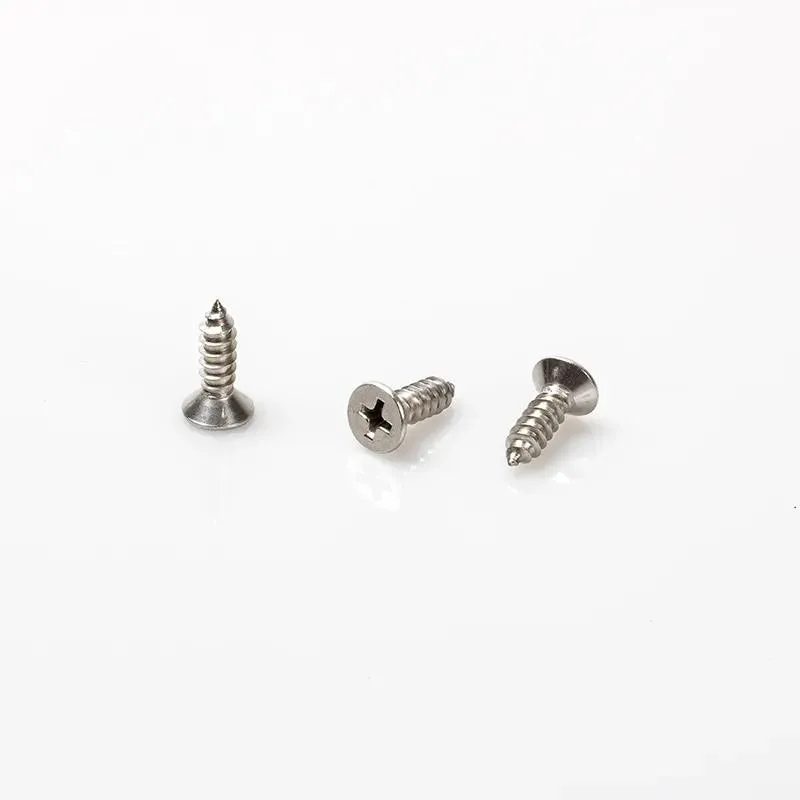
Include the current drawing revision, fastening location, driver approach, head-side interface view, quantity range, and acceptance owner.
No. It can document an observed feature, while the released assembly and tool path must define the review condition.
Record the visible head-side envelope, intended approach direction, nearby components, and any condition that is unknown or hidden.
Ask suppliers to state the changed feature and reason in a separate response field, then route it to the named technical owner.
No. It does not establish clearance, torque, load, sealing, corrosion, electrical behavior, compliance, or any product-specific result.
Begin with the TNHO screws route or service route, then send the controlled access record through the contact page.

 TNHO
TNHO 


