Shaft cotter pin RFQ evidence should be assembled from the controlled drawing, the mating parts, and the approval owner’s questions. A product photo can focus the conversation, but it cannot turn an unverified shaft interface into a released specification.
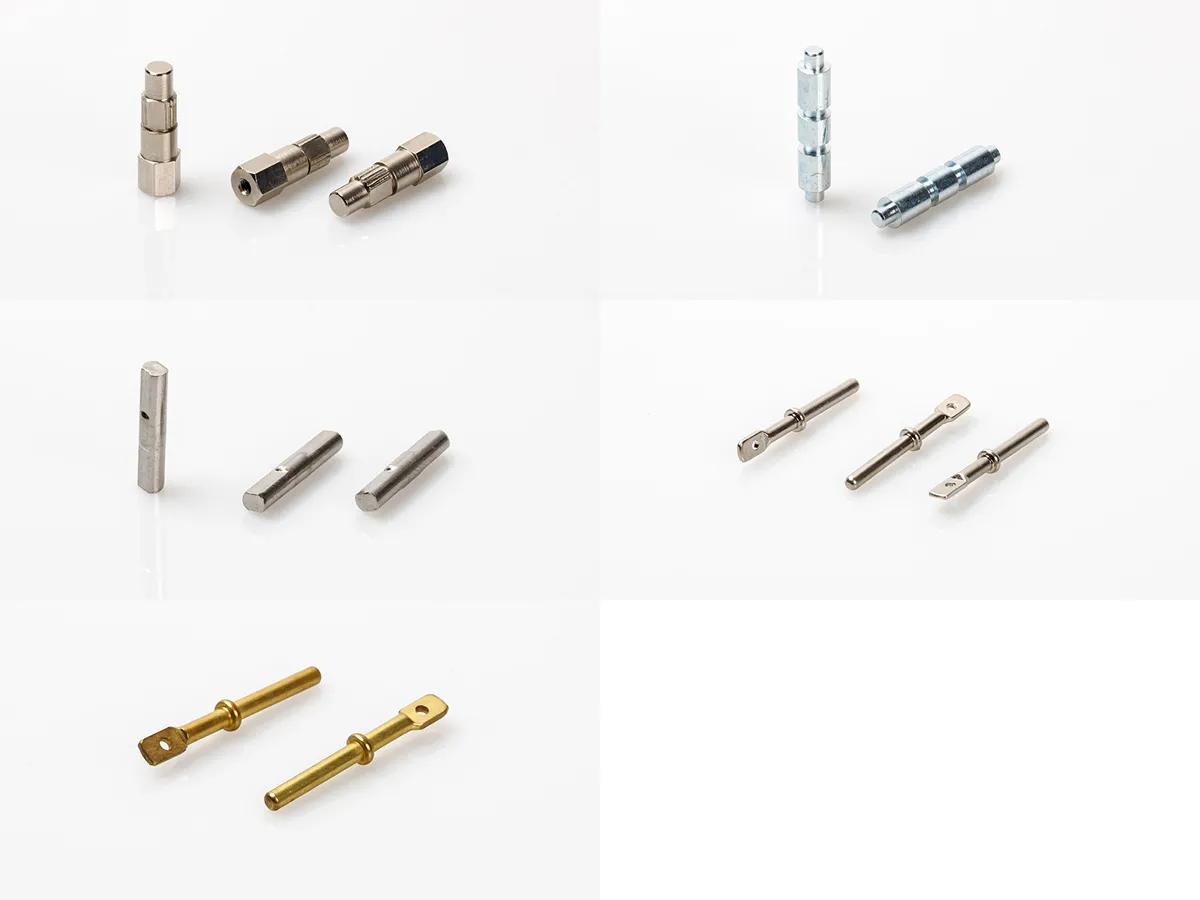
A shaft cotter and contact-pin request becomes reviewable when the assembly purpose is written beside the drawing revision. State which component the part secures or contacts, which side is accessible, and who can approve a deviation. Those three details keep a familiar catalogue label from becoming an accidental requirement.
List the assembly identifier, drawing number, revision, quantity breaks, inspection owner, and requested response date. If procurement has only a photograph or an old sample, mark the request as preliminary and identify the missing controlled extract. The supplier should be able to see what is fixed, what is observed, and what still needs an engineering answer.
The shaft interface needs more than a length label. Capture the receiving bore or slot, the neighboring surfaces, the insertion direction, retention feature, contact face, and any access restriction shown on the current drawing. Do not infer dimensions from the image file name or from a visually similar part.
| Evidence field | What the buyer should attach or state | Why it changes the quote |
|---|---|---|
| Controlled interface view | Drawing extract with revision and datum references | Prevents suppliers from quoting different mating conditions |
| Retention feature | Cotter, shoulder, groove, or contact detail as drawn | Separates the requested geometry from a supplier alternative |
| Access envelope | Installation and inspection side, nearby obstruction, tool approach | Determines whether the proposed form can be reviewed |
| Quantity break | Prototype, pilot, and recurring quantities | Keeps commercial comparisons on the same volume basis |
| Acceptance owner | Named technical approver and sample decision method | Avoids treating a purchasing approval as a fit approval |
Send the table with the drawing package. It is a question register, not a promise that any unlisted material, tolerance, load, or electrical property is available.
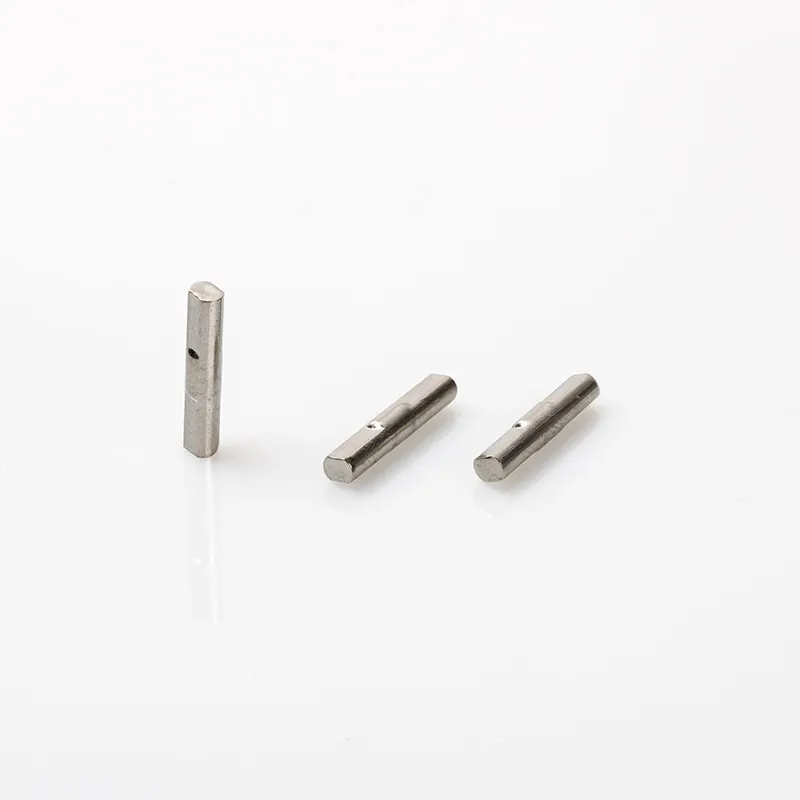
A photograph answers “what was visible?” while a controlled drawing answers “what governs the build?” Keep those records in separate columns. Include the image date, view direction, and the part or assembly it came from; then note whether the sample matches the active revision.
A sample may reveal a feature worth discussing, but it does not establish a production dimension by itself. Record measured observations as observations, label supplier proposals as proposals, and reserve “approved” for the person or process that actually owns the decision. This distinction is especially important when a contact pin appears to be interchangeable with a cotter-style retention part.
Before sending the RFQ, assemble a short evidence index:
Quote comparison works when every supplier receives the same package and answers the same fields. Ask each respondent to identify the requested configuration, list any proposed alternative, and point to the evidence supporting that alternative. A lower price is not comparable if it silently changes the interface or inspection basis.
| Response item | Required answer format | Review action |
|---|---|---|
| Drawing reference | Revision plus page or view | Reject “latest drawing” without an identifier |
| Interface interpretation | Short description of mating feature | Send disputed interpretation to the assembly owner |
| Open deviation | Question, impact, and proposed resolution | Keep unresolved items visible in the comparison sheet |
| Sample plan | Sample identity and inspection responsibility | Do not call a sample approved until the owner signs off |
| Commercial scope | Quantity tier, packaging, and delivery assumption | Compare like-for-like scope before ranking price |
Use one response record per supplier. Keep clarifications attached to the original question so a later reviewer can reconstruct why an alternative was accepted or rejected.
This checklist does not establish fit, contact resistance, load, torque, corrosion behavior, sealing, lifecycle, certification, or compliance for a particular assembly. Those outcomes require product-specific evidence and a validation plan selected by the system owner.
Important: Stop the RFQ when the controlling revision, mating feature, accessible side, or acceptance owner is unknown. An open interface can invalidate a quote comparison even when the part name looks correct. (ASME codes and standards)
A suitable buyer is an OEM or industrial procurement team that can provide a controlled drawing and identify the approval path. The topic is not a substitute for a design release, an electrical qualification, or a compliance review. If the project cannot disclose the governing interface, request a preliminary discussion and label it as such.
TNHO publishes a related shaft cotter pin and contact pin product page. That page is a navigation starting point for the product family; it does not prove an unlisted size, material, rating, compatibility result, or delivery promise.
For a focused review, send the controlled drawing and RFQ evidence to TNHO. The broader industrial products area can help buyers orient the request, while the electrical fasteners guide provides general category context.
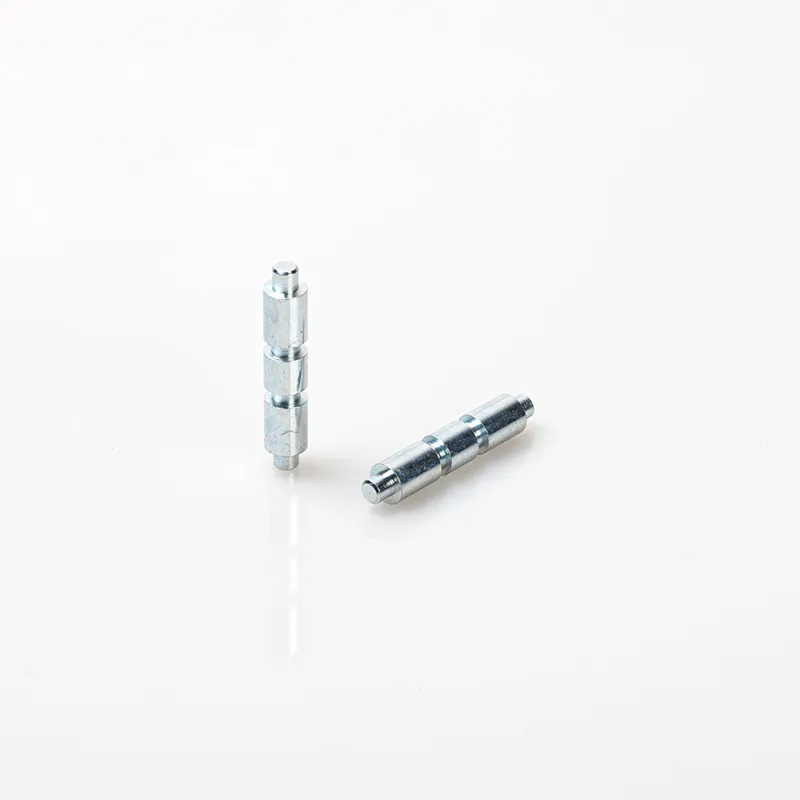
Match every attachment name to the revision in the evidence index. If a view was intentionally withheld, say so and name the person who can release it. After replies arrive, retain each response beside the question it answers and route technical alternatives to the assembly owner.
Start with the controlled revision, mating feature, access side, quantity breaks, and approval owner.
No. An image records an observation; it does not govern the released interface.
The receiving feature, insertion direction, retention detail, access envelope, quantity tier, and acceptance method should be shared with every supplier.
No. Performance and compliance require product-specific evidence plus the assembly owner’s validation plan.
Pause when the revision, mating condition, access, or approval decision is still open.
Use the linked TNHO product page as a starting point and submit the controlled RFQ package through the contact route.

 TNHO
TNHO 


