Most applications in many industries rely on nuts to keep things fastened together. In hardware terms these fasteners are an important type of fastener to provide stability and security for all types of projects. In this article, we will cover both types of nuts, the materials they are made from, and how they can be used in practical applications as well as try to give you a better understanding of what these fasteners (nuts) really are.
Nuts are designed to secure fastenings with bolts; they provide a method to fasten together components. This allows for easy removal and replacement of parts, whether in machines, vehicles or buildings. The purpose of a nut is to allow for more torque when fastening, which keeps the structure/equipment intact when under stress or pressure. Furthermore, they can also be used along with other components (such as screws and washers) to improve the overall integrity of the fastening system.
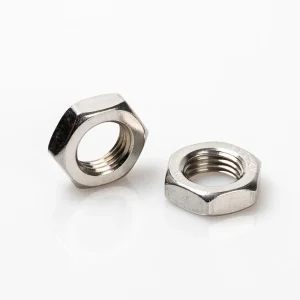
A variety of different types of nut options exist, and each type will serve its own function or purpose. Listed below are many of the popular types.
Hex nuts are perhaps the most common nut type, as they have a hexagonal design that allows for use with a wrench to assist in the installation and removal process.
Locking nut styles include nylon inserts and jam nuts to keep from coming loose from vibration. There are many different designs for locking nut styles.
Wing Nuts: These nuts have wings that allow you to hand-tighten the nut without having to use a tool. They are perfect for assembly or disassembly of equipment that is used frequently, or for applications where it would not be practical to use tools.
Cap Nut: A closed-ended cap nut that protects against dirt and contaminants found in places where there is exposure to hazardous conditions due in part because of the exposed thread.
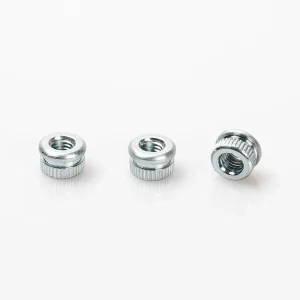
Flanged Nut: The design of this nut includes a circular shaped flange at the bottom to increase the surface area, allowing the nut to handle weight better and lessening the likelihood of coming loose.
Depending on their intended purpose, nuts can be constructed of many different materials. The most commonly used materials are:
Nuts made of steel are extremely common, as they are durable and strong materials for making nuts. Due to some applications being affected by corrosion, steel nuts may be plated or coated, depending on the application.
Because it resists rusting and corrosion, stainless steels are great for all outdoor or maritime applications where moisture can get into the hardware.
Brass: Supply an aesthetically pleasing and a durable option; therefore, brass nuts are frequently used for decorative purposes and/or to provide electrical connection.
In your selection of the proper nuts for your project, we must keep in mind several considerations: load bearing capacity, compatibility with the other materials in use, and environmental factors. If in doubt, please reach out to a qualified person for assistance in determining the appropriate specifications that will suit your requirements.
What are the advantages of using nuts in hardware?
Nuts are an easy and effective method for holding parts together, simplifying assembly/disassembly processes, along with maintaining the integrity and stability of structures. The versatility of nuts can be seen through their cost-effectiveness and availability in different sizes and materials for use in a wide variety of applications.
How do I choose the right nut for my project?
When selecting nuts, you should consider things like thread size, material type and the environmental conditions they will be used in. Also consider the load capacities of the fastener as well as its exposure to moisture and other elements.
Where can I buy nuts for my needs?
You can easily find nuts at many local hardware shops, through industrial suppliers, or by purchasing them online. Choose only a reputable supplier with proven quality standards because you don’t want any problems later.
Conclusion
Nuts are very important hardware components and provide strength and security in many different applications. If you know about the different sorts of nuts there are, what they’re used for and the materials they’re made of, then you will be able to make good informed decisions regarding your projects. If you are a do-it-yourself (DIY) enthusiast or a professional contractor, knowing how these elements relate to one another will help improve both your assembly processes and your project’s end result.

 TNHO
TNHO 


