Standoffs are an important part of many industries, including electronics, manufacturing, and architecture. Although they are small in size, they play a key role in helping to create high quality, dependable, and long-lasting assemblies. So, what are standoffs? Why are they essential?
This article will examine the function of standoffs, the various types of standoffs available, the materials used in making them, and the most common applications for standoffs. At the end of the article, you should have a good understanding of standoffs and be able to choose the right standoff type for your project.
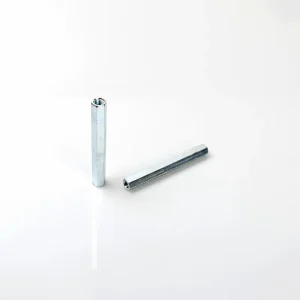
Standoffs are typically used in engineering or electronic assemblies for a specific distance (or separation) between two parts. Standoffs can be found in many different shapes (both hexagonal, flat and cylindrical, etc.). Standoffs come in many different sizes and types of metals. Standoffs act like a connector and provide physical support and electrical insulation for sensitive applications.
Standoffs are often used to keep PCBs secured in their enclosures. Standoffs cause distance between the PCB and its enclosure; thus, they protect the delicate components from shorting out or being damaged by excess heat or physical stresses. Standoffs help reinforce the structural integrity of electrical and mechanical systems so that they function more safely.
Standoff’s primary purpose is to keep two parts separated at a specified distance and to provide constructional support for stability. However, there are many other uses besides this basic function:
Mechanical Stability: Standoffs provide a means of establishing the structural integrity and stability of an assembly by providing a method for keeping the mounted elements stationary and properly affixed at all times during use.
2. Thermal Management: By creating a gap between components, standoffs encourage proper airflow, reducing overheating and improving the lifespan of sensitive equipment.
3. Electromagnetics (EMI) Mitigation: In electronic assembly applications, standoffs help to reduce EMI by providing physical separation of the various circuit boards and thereby reducing unwanted electrical interference caused by adjacent circuit boards’ electrical signals.
4. Cables/Connectors: A place for a stand-off helps with organizing cables & wires allowing for more effective & clean designs, as standoffs will create space. This is very important in tight assembly situations, such as a computer.
5. Enhanced Look: For the display or decorative applications, polished standoffs provide a clean, contemporary appearance to secure components such as signs or glass panels.
Standoffs come in various types, each designed to cater to specific applications and requirements:
Hex Standoffs: One of the main reasons hexagonal standoffs are so commonly used in electronics is due to their ability to easily grip with wrenches, thus allowing for a secure and precise fit.
Aesthetically pleasing with their smooth, round surface, round standoffs are suitable for installations where aesthetics are a primary consideration, such as furniture and architectural applications.
When it comes to having male/female stand-offs you have threaded on one end and a hole threaded in the other for a flexible component for machines that need added design or assembly flexibility.
Standoffs for females can be used for mounting screws on both sides. Female Female Standoffs usually have both threaded ends to allow the use of screws to attach both sides when required, as would be seen with some component PCB assemblies.
Commonly utilized in electronics applications for electrical insulation purposes; made out of non-metallic materials such as nylon and plastic do not conduct electricity and therefore can be effectively used in applications desiring this feature..
Standoffs have a lot of different roles, so manufacturers use different materials depending on what the application needs in terms of functionally and aesthetically. The list below shows several of the most often used standoff materials:
Steel Coated with Zinc: Steel with a layer of zinc on it gets its strength, long-lasting usefulness, and lack of ability to corrode because of the zinc coating. This type of construction material will usually be used when sturdiness is extremely important in how the building will work.
Brass: Standoff components created from brass have a very low rate of corrosion. Due to their elegant finishes and high conductivity, these parts are commonly used for electronic devises, as well as for adding decorative accents to projects.
Aluminium properties of being light yet strong make it the preferred material by manufacturers for its lightweight strength/sturdiness aspect within their project requirements. The most common end use of aluminium since its invention has been drones (which utilise multi-rotor technology) and aerospace (aircraft design).
Plastic and nylon are commonly used as non-metallic standoffs in many applications as they provide electrical insulation; therefore, they are usually light weight and resistant to chemical damage.
Because standoffs are both versatile and highly functional, they can be found in a variety of industries. Some of the more common uses for standoffs include:
All electronics-related tasks will require the use of standoffs for assembling PCB’s because they allow sufficient distance between the printed circuit board and the enclosure to avoid potential short circuits, as well as providing a proper air flow for ventilating the board properly.
Architecture & Furniture: Standoffs are commonly used to support and attach glass surfaces (tabletops, signage, or decorative panels) in many modern and minimalist design styles. Standoffs both enhance the functionality of these types of designs by providing support, as well as contribute to their visual beauty.
Standoff Displays: Standoffs are typically used to attach artwork, photographs, trophies, or business logos to the walls of a home or office. The streamlined design of the standoff creates the illusion that objects are hovering and can present a more dynamic and professional appearance.
When creating a prototype, a(n) stand-off can be used to affix parts in an industrial environment whilst prototyping parts, giving an engineering team the ability to test, change, and improve their designs.
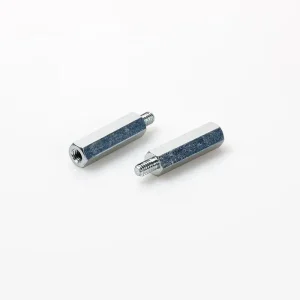
When selecting the right standoffs for your project, there are several factors to consider:
2. Mind Your Environment – Choose an Appropriate Material; e.g., a ferrous metal (such as) for chemical processing purposes, a non-corrosive metal for saltwater marine applications, or an insulating plastic.
2. Determine if you need hexagonal or round stand-offs (male to female or female to female) based on your assembly needs.
3- Determine Size: Measure and select a length and diameter based on measured distance between components.
4. Environmental Factors: Applications that experience high heat, high humidity and/or exposure to chemicals may require standoffs that use specially selected materials—Durable plastics and/or stainless steel.
There are many applications for standoffs, including mechanical support and spacing, electrical insulation, and thermal management. Standoffs are also a key part of many industries, such as electronics, architecture, and design. Knowing what types exist, what materials they are made from, and how they work will help you select the best option for your project. For example, if you are building an electronic device or designing furniture or creating a display, the right standoff will help ensure your projects function properly, are safe to use, and have an attractive design.

 TNHO
TNHO 


