Lead Seal Screws are essential items used in many types of industries for providing secure, tamper-proof fastenings. They provide an effective and reliable means of protecting and restricting access or tampering with an asset given the unique design and application of lead seal screws and are becoming even more relevant as industries continue to emphasize safety, integrity and compliance. In this article, we will examine what lead seal screws are, the types and materials available, as well as the major advantages of using these important tools. We will also provide answers to several common queries that relate to this type of fastening so you can decide if they meet your application needs.
Screws with lead seals are fasteners with built-in tamper evidence that are used in various industries where security is a top concern including shipping, utilities, transport and finance. These types of screws will secure critical enclosures, containers and equipment. The key difference between lead seal screws and normal screws is that lead seals will deform or break when tampered with, giving clear visual evidence of any attempt to gain unauthorized access.
The tamper evident characteristics of screws are significant within industries that require compliance, accountability, and security of assets. Lead seal screws deter theft or tampering while keeping products and equipment safe during transportation and/or storage.
Due to globalisation, food production and supply chains are becoming more complex. For example, food can travel through many different points before reaching the consumer. Therefore, anything could happen along those miles of transportation, leading to the possibility of theft or other types of interference with the movement of goods.
Lead seal screws are an easy and economical way to reduce the chances of tampering by providing a deterrent to tampering and providing evidence that tampering occurred, creating a record of tampering activity.
To illustrate, lead seal screws are used by shipping companies to seal the doors of cargo containers, which helps guarantee that the cargo arrives undamaged. Similarly, utilities use lead seal screws on their meters and other equipment to prevent unauthorized access or tampering. Due to increasing regulatory attention and consumer demand for improved security, the use of tamper-evident solutions such as lead seal screws is an effective way to provide protection against the dangers of theft, fraud, and reputational damage.
There are a variety of different types of lead seal screws available to meet the differing requirements of industries. The main categories include:
1. Basic Lead Seal Screws: Basic lead seal screws are the most popular type of lead-sealed screw and are available in various sizes designed to fit general applications. Basic lead seal screws are used for applications where basic security is necessary. These screws are best suited for applications where tampering is not common, but compliance must be monitored continuously.
2. Lead Seal High-Security Screws: High-security lead seal screws have been specially engineered for use in applications requiring a higher level of protection. The screws are sealed with a more robust seal than those found on standard screws and feature a tamper-resistant design to reduce the likelihood of intentional interference. Typically used to secure high-value items or sensitive equipment.
When standard options for lead seal screws do not meet your particular application, you can design custom lead seal screws to the appropriate specifications. Custom lead seal screws can be designed to suit various specifications based both on the unique dimensions required by an application and the desired security features that other screws may not provide, including specialized marking, multiple protective barriers, and unique thread styles.
How well and for how long do lead seal screws work depend hugely on the materials used to make them. How materials are selected very much depends on what is required for the application, how the environment will affect the screws as well as how secure they need to be. Some of the most common materials used are:
1.Stainless Steel is the most preferred material because it is very durable and resistant to rust and corrosion, making it an ideal choice for marine or outdoor use.
2. Aluminum: It is light and inexpensive; therefore, an aluminum lead seal screw would be appropriate for use in situations that have high weight requirements (e.g., aircraft maintenance or portable equipment).
3. Zinc-Plated Steel: As it is both economical and has great resistance to corrosion. It is a lead sealing screw that can be used for most applications as long as they are not exposed to extreme conditions.
4. High-Security Alloys: In cases where companies require maximum protection, some lead tamperproof screws are manufactured using specialized alloys. These alloys provide greater strength, tamperproofness, and resistance to environmental degradation than standard lead.
Using lead seals has many advantages besides just fastening objects together. Lead seal screws have added features for added security as part of their design, which opens them to a variety of benefits. Some of the benefits that can result from the use of lead seal screws include:
1.A significant benefit of tamper-evidence is its ability to deter unlawful access due to the clear, visible signs of tampering that it will provide. This feature serves as a significant deterrent to those who work within industries that are heavily regulated by security.
2. Increased Security/Decrease in Unauthorised Access – Lead Sealed Screws have been constructed with tamper resistant designs along with high strength materials, therefore preventing unauthorised access to valuable equipment within enclosures/cargo.
3. Versatility: Lead seal screws come in a variety of sizes, materials, and types; therefore, they can be used in many different applications throughout numerous industries including shipping, transportation and utilities.
4. Affordable: Lead Seal screws can be installed easily at an inexpensive cost thus providing you with less expensive security than more expensive systems would cost.
5. Customization: The ability to obtain leading seal screws that are custom designed will help businesses create solutions to meet their unique security requirements, which will enhance the effectiveness of these types of products.
What are lead seal screws?
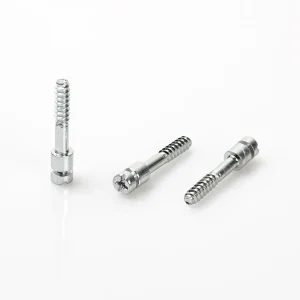
The screws are a variety of screw that contains a seal which cannot be opened. If someone attempts to tamper, the seal will be destroyed by deformation or damage. Therefore, visual evidence for unauthorized activity through the seal.
What types of lead seal screws are there?
Standard lead seal screws used for general applications, high-security lead seal screws used for high security applications, and custom-designed lead seal screws designed specifically for a particular application or unique need are all examples of the main types of lead seal screws.
What materials are lead seal screws made of?
The materials generally used in construction include stainless steel, aluminum, zinc plated steel and various types of specialty alloys; these materials are selected for use due to their specific needs based on both the environmental conditions and security requirements of that particular use.
How are lead seal screws used?
Typically, lead seal screws have their lead-sealing components compressed as a way to secure the screw, therefore preventing the screw from being reused. If tampering occurs then the physical appearance will change on the screw which will allow for evidence of tampering.
In summary, lead seal screws offer important benefits to many companies in today’s world by providing an effective way to ensure compliance and secure items that have been tampered with. The variety of materials and pricing associated with these screws, along with their durability, make them ideal for protecting any type of valuable asset or securing sensitive equipment. The knowledge of how each type works as well as the materials available will help a business decide which type will best meet its needs while maintaining the integrity of its operation. A lead seal screw is an easy-to-use and effective way to prevent tampering and to keep any item secure from being tampered with, whether it be protecting a shipping container, utility meter or protecting any other type of sensitive data or item.

 TNHO
TNHO 


