Hex-socket meter screws fail quotation when recess depth and key engagement are left as tribal knowledge instead of controlled RFQ inputs on the drawing package.

Identify the meter or cover revision that owns the hex recess, the engagement depth or key-length note if shown, and who accepts incomplete seating. A hex-socket product route helps discovery; it does not prove that a workshop key will engage the next recess fully.
Keep confirmed recess-depth callouts separate from open key-access questions so a prior screw sample is not treated as the next engagement specification.
Record recess depth, key size, engagement target, and nearby clearance as explicit quote fields.
| Recess / key field | What to record | Send with quote |
|---|---|---|
| Interface revision | Drawing controlling the hex-socket screw location | Yes |
| Hex key size | Across-flats designation shown for the recess | Yes |
| Recess depth / engagement | Depth or engagement note if stated on the drawing | Yes |
| Key path clearance | Nearby walls, covers, or wiring that limit key insertion | Yes |
| Engagement acceptance owner | Who accepts partial seating or key change proposals | Yes |
Do not invent hardness, torque, or set-screw holding claims to complete blank rows.

A sample can reveal whether a familiar key bottoms before full engagement or rocks in the recess. Photograph key seating against the interface, mark observations to the revision, and list unverified depth dimensions.
If the sample needs a different recess depth than the drawing shows, the drawing owner must document any change before quotation comparison.
Provide suppliers the same revision, recess-depth fields, quantities, destination, and open points. When engagement depth is undecided, label it open instead of allowing each quote to assume a different key length.
Map supplier alternatives to the specific recess or clearance question they answer.
Important: Do not release a hex-socket meter-module purchase line while recess depth or Allen-key access remains tribal knowledge; keep key size and engagement gaps visible in the RFQ until the revision owner closes them. — Source: ISO standards catalogue.
This input guide does not establish clamp load, prevailing torque, vibration retention, corrosion resistance, sealing, electrical continuity, certification, or lifecycle. Confirm those outcomes only with product-specific evidence under the module owner’s validation plan.
Fit Boundary: pause when hex key size, recess depth, key-path clearance, or acceptance ownership is missing. A narrow engagement package is more useful than a generic hex-socket label.
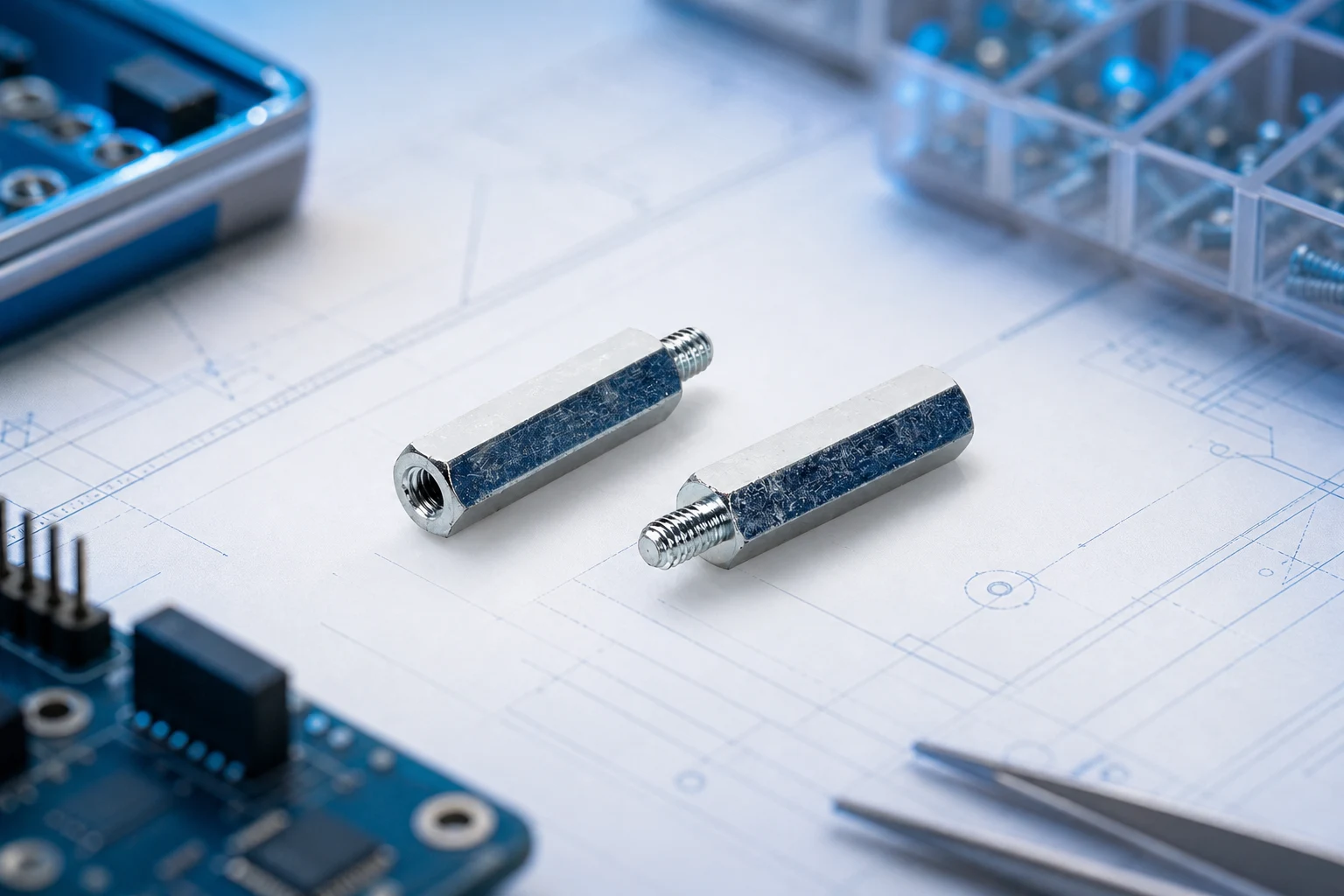
When engagement inputs are ready, start with the TNHO hex socket screw product route. Navigation confirms a related hex-socket screw destination; it does not replace the meter drawing or create unlisted recess depths, materials, torque values, or lead times.
Send with quote / RFQ bullets:
– Interface revision and hex key-size callout
– Recess-depth or engagement notes and key-path clearance
– Quantities, destination, and labeled open points
– Acceptance owner for any supplier alternative
For the next step, send the controlled drawing and RFQ inputs. For meter-module hex-socket depth discovery, start at TNHO products and follow Electrical Fasteners: Some Basic Information.
Confirm revision, hex key size, recess depth or engagement note, and acceptance owner.
No. The controlled drawing must define recess and engagement requirements.
Include key size, recess depth, clearance, quantities, destination, and open points.
No. Performance and compliance need project-specific evidence.
Pause when recess depth, key size, clearance, or ownership is unclear.
Use the verified hex-socket screw route with the controlled engagement package.

 TNHO
TNHO 


