Dual-Thread Bolts: Mating-Feature RFQ Checklist is handled as a controlled-document request: establish the actual interface, expose open questions, and give every supplier the same evidence.
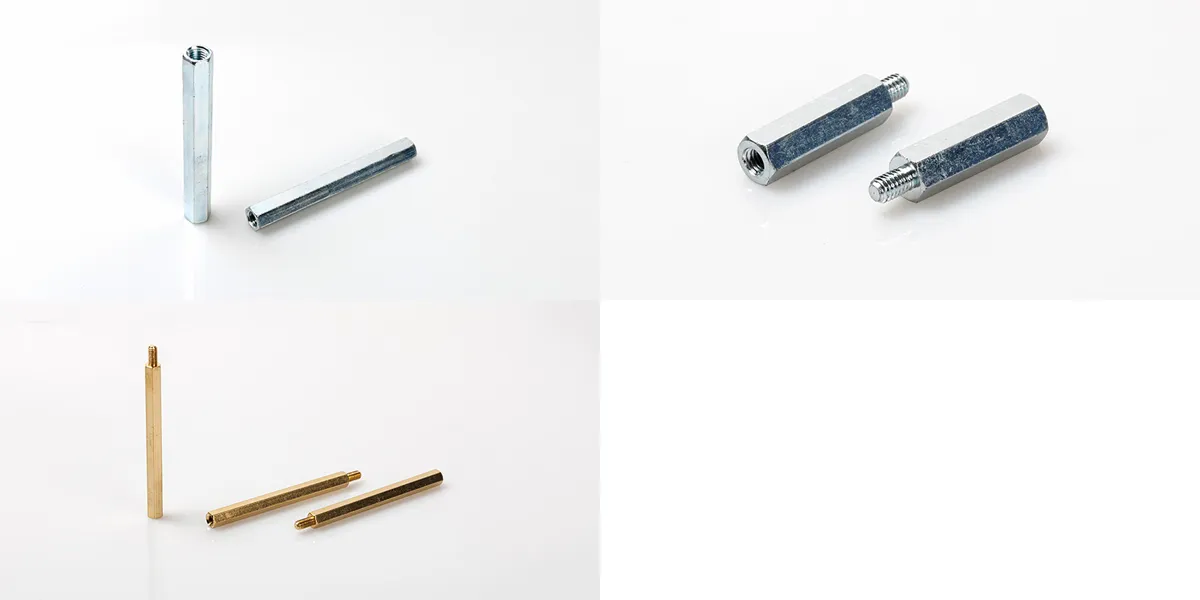
A dual-thread bolt RFQ checklist begins with an identified assembly and a controlled drawing, not with a product label copied from a previous order. State the function of the interface in plain language, record the drawing revision, and name the person who owns technical approval. This separates confirmed details from questions that need an engineering response before a supplier is asked to quote.
Record the mating components, the accessible side of the assembly, the quantity breaks, the intended inspection point, and the release owner. Treat each item as an evidence request rather than a conclusion. If the drawing is unavailable, mark that gap in the RFQ and ask which controlled extract may be released for a preliminary discussion.
The mating interface needs a dedicated block in the request. Identify the receiving component, the surfaces around the interface, the relevant callouts, and the assembly step that changes access. A familiar-looking fastener can still create a different tool path or clearance condition when surrounding parts change.
| RFQ evidence | Question to record |
|---|---|
| Current drawing | Which revision controls this interface? |
| Mating feature | What feature is shown on each component? |
| Access | From which side can installation and inspection occur? |
| Quantity | Which quantity breaks need pricing? |
| Acceptance | Who decides whether a sample is acceptable? |
The table does not establish performance. It keeps unknowns visible before different suppliers receive different assumptions.
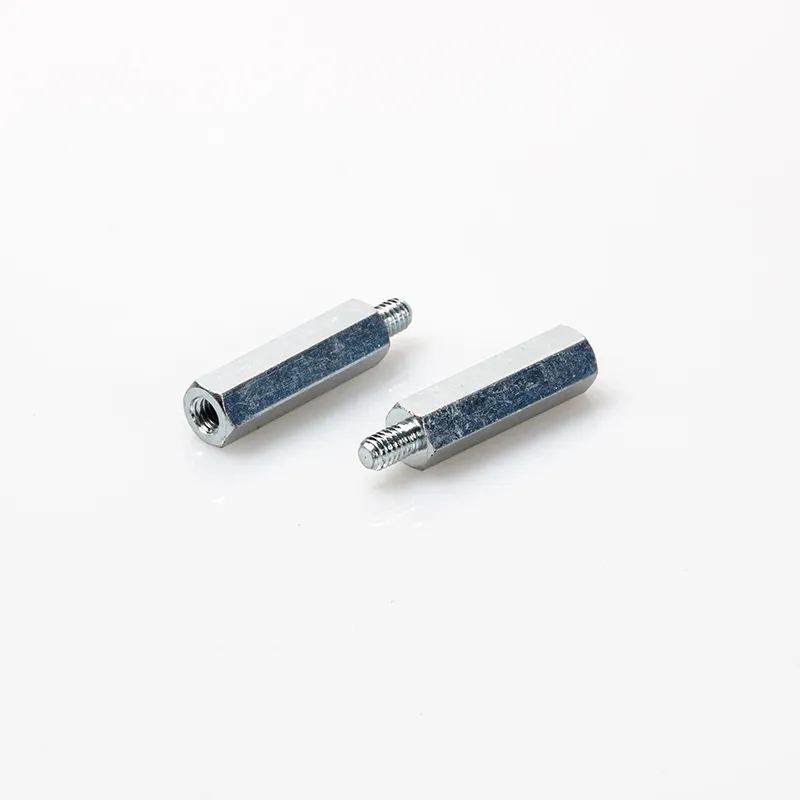
A photograph, reference image, or earlier sample can help people locate a discussion point. It cannot replace a drawing, define a hidden feature, or establish approval for another build. Label every image with its source and revision context so it is not mistaken for an instruction.
When a sample is available, record the views inspected, the missing evidence, and whether a mating part was present. Note whether it represents the current revision. This creates a comparison record without turning the sample into an unreviewed production requirement.
Provide the same evidence package to each prospective supplier. Include the current drawing or allowed extract, quantity breaks, delivery destination, defined packaging information, and a person who can answer technical questions. Mark unknowns as open rather than inviting a supplier to supply an assumption.
Separate the requested configuration from an alternative proposed by a supplier. Record questions, deviations, and their response owner in the same review file. That makes price and scope comparisons more meaningful because each entry can be traced back to the same assembly condition.
A useful review record gives every participant a place to see what is known, what was observed, and what remains open. For this dual-thread bolt RFQ checklist, start with the document identifier and revision, then list each attachment by file name and date. Add a short note explaining why the attachment is relevant to the mating interface. This is more reliable than forwarding an image without context because the next reviewer can see the evidence boundary.
Separate requested information from supplier-proposed information. A requested value comes from the controlled package; a supplier proposal needs a clear label and a decision by the appropriate owner. Keep the response with the question that prompted it, rather than placing it only in a quote cover letter. That method preserves the link between an alternative and the assembly condition it may affect.
Review the record at the same level of detail as the request. If the RFQ names a visible feature but the drawing does not show how nearby parts affect access, write that limitation down. If a reference part was measured informally, distinguish that observation from a released dimension. Clear labels allow procurement to move forward without presenting an estimate as an approved specification.
Before release, check that the package identifies a technical contact, a commercial contact, the applicable quantity breaks, and the desired response date. Confirm that all recipients receive the same revision and that later clarifications are distributed to the same group. This does not decide whether the part is suitable; it simply makes the sourcing conversation auditable and easier to compare.
This checklist does not confirm fit, load, torque, electrical behavior, corrosion behavior, sealing behavior, safety, certification, lifecycle, or compliance for a particular assembly. Those outcomes need product-specific evidence and the validation approach chosen by the system owner. A product route or an earlier sample does not prove any of them.
Pause the request when the mating feature, accessible side, controlled revision, or acceptance decision is unknown. Resolve the missing input first. A narrow RFQ with explicit questions is more useful than a detailed document that conceals assumptions.
TNHO publishes a relevant product route for this discussion: TNHO product route. The route confirms a related product family exists; it does not establish an unlisted dimension, material, rating, compatibility, or performance property. Use it to identify the discussion, then provide the controlled evidence for the actual project.
When the package is ready, send TNHO the drawing and RFQ inputs. For broader context, see TNHO industrial fastener categories and Electrical Fasteners: Some Basic Information.
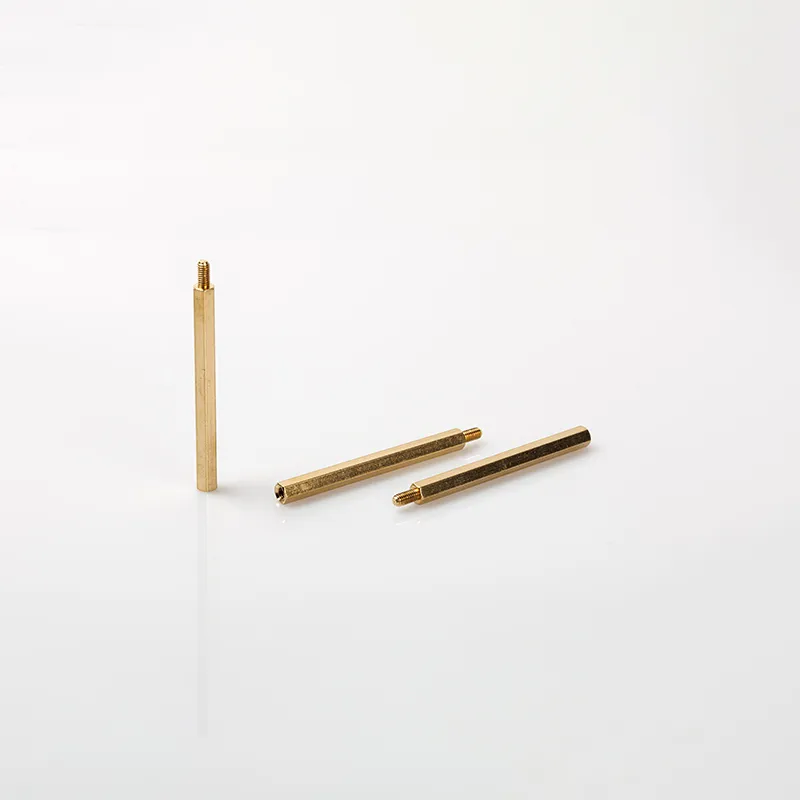
Before sending the request, compare the attachment list with the questions in the RFQ. Confirm that the revision shown in the email or portal is the revision named in the review record. If a drawing extract was intentionally withheld, state that limitation and identify the person who can resolve it. This small check reduces the chance that a supplier will answer a different question from the one procurement intended to ask.
After replies arrive, preserve the original request beside each response. Note whether the supplier quoted the requested evidence package, raised an open question, or offered an alternative. Route technical alternatives to the assembly owner rather than resolving them through a purchasing shorthand. The resulting record supports a clearer release decision without implying that the checklist itself validates the final assembly.
Document the revision, actual mating interface, access, quantity breaks, and approval owner.
No. It can identify a discussion point but does not define the project requirement.
Use one evidence package and label every open item or supplier alternative.
No. Performance requires product-specific evidence and an assembly validation plan.
Pause when the drawing, mating condition, access, or acceptance decision is unknown.
Use the TNHO route in Part 6 and send controlled RFQ inputs.

 TNHO
TNHO 


