Custom screw machining is drawing-driven production of non-catalog screws when standard geometry cannot meet the assembly function. Confirm the catalog gap first, then lock print fields and quantity so suppliers can choose machining or forming routes. The sections below cover process vocabulary, the catalog gate, process-fit criteria, the RFQ field set, and a meter step-shoulder example.
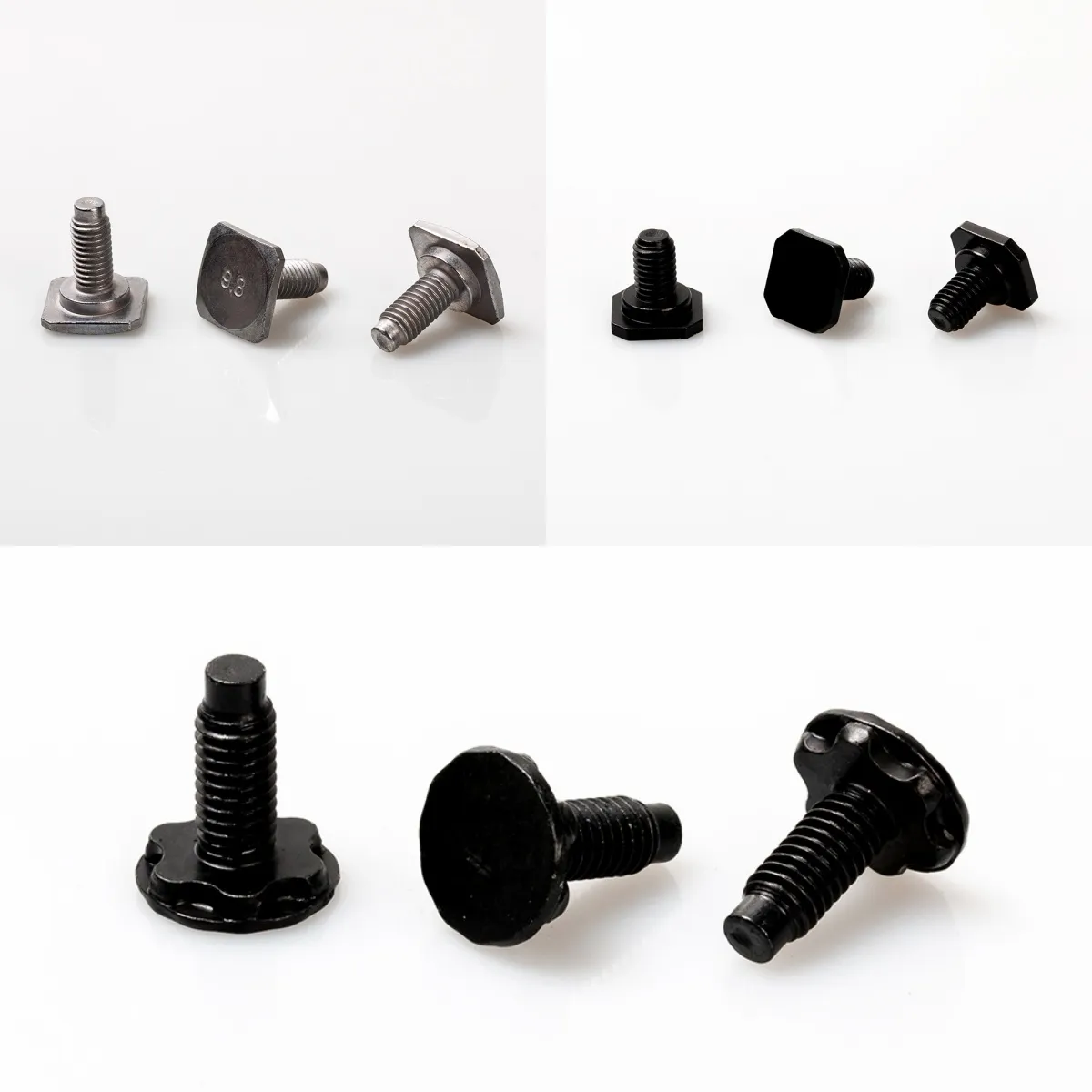
Custom screw machining here means drawing-controlled OEM fasteners prepared for RFQ comparison, not hobby lengthening, security-bit kits, or “near me” machine-shop maps. The reader is an OEM, design, or procurement buyer who needs made-to-print screws when catalog geometry fails a positioning or limiting function.
Treat local shop directories, DIY billet tweaks, and retail tool kits as different searches. Stay on commercial investigation: which inputs and process-fit notes belong in the package before quotes are compared.
Sibling orientation on electrical fastener basics lives in Electrical Fasteners: Some Basic Information. Use it for background vocabulary, not as a substitute for a controlled print package.
Screw machining produces small, often cylindrical precision parts from bar via automated turning processes. In plain terms, it is how shops turn special screws and related fasteners from bar stock when the geometry is not a shelf SKU. Related operations such as drilling, threading, or milling may run in the same cycle depending on the machine mix.
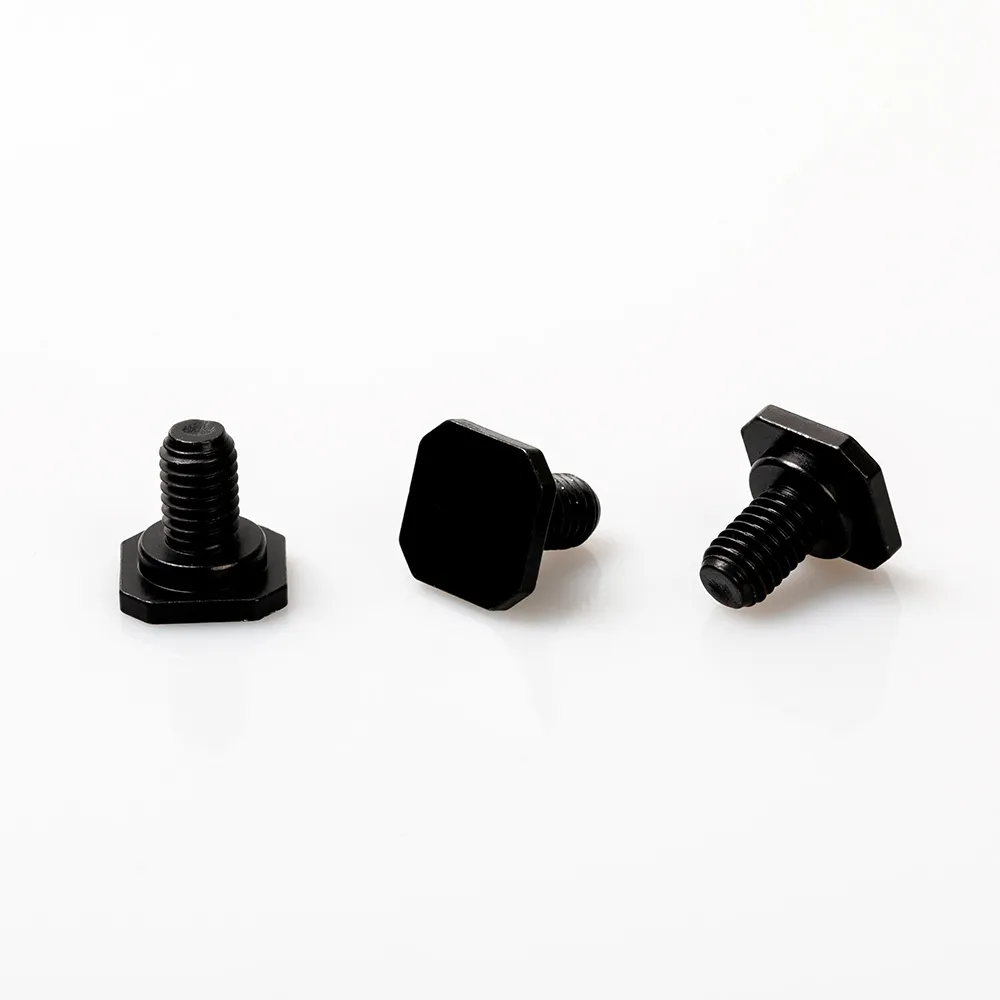
Swiss-type machining supports the bar near the cut with a guide bushing and sliding headstock architecture. That support helps slender or multi-feature turned parts stay stable while features are cut. Swiss screw machining is one architecture inside the turning family, not a claim about any one supplier’s machine list.
Made-to-print screws follow the same idea as other made-to-print fasteners: the print owns the geometry. A sample may help reverse-engineer unknowns, but production still needs controlled dimensions and a revision.
Catalog or standard screws should be checked before assuming a custom machined part is required. Many “custom” requests are only a length, drive, or profile change that already exists as a catalog standard screw. Exhausting that search prevents an unnecessary machining RFQ.
From the field: Shop discussions often treat casual “custom hardware” language as a joke when a catalog length or profile already exists—check standard options before machining RFQs. — Source: .
| Signal | Lean catalog-first | Lean custom machining RFQ |
|---|---|---|
| Geometry change | Length, drive, or head already common in catalogs | Shoulder/step, head form, or thread layout is non-standard |
| Function | Clamp only; no special positioning face | Positioning, limiting, or other step-controlled function |
| Volume hint | High volume of simple forms | Prototype or specialty lots with complex features |
| Evidence on hand | McMaster-style match found | Print shows features catalogs do not list |
When the assembly needs a controlled shoulder or step that catalogs do not list, keep the custom path open. The gate is a filter, not a ban on OEM specials.
State quantity and critical features so suppliers can propose cut or Swiss-style routes versus cold heading and thread rolling when volume and formability support them. Machining favors complex geometry and lower tooling commitment at prototype or lower volume. Cold heading upsets wire or bar in dies; thread rolling then forms threads without cutting them from solid in many high-volume routes.
At low specialty volumes, thread rolling or heading economics may not beat cut threads; volume changes process choice. Shop threads note that rolling may not pay on small specialty lots, while multi-spindle or cold-header routes win when volume and formability line up. Put quantity bands and special features (drive forms, shoulders, undercuts) in the RFQ so route proposals stay comparable.
Do not treat unit-price anecdotes from forums as a quote. Use them only as a reminder that process fit follows volume and feature set.
Include controlled dimensions and revision, thread designation with tolerance class when fit matters, shoulder or step criticals, material, finish, quantity context, and inspection expectations. Made-to-print custom fasteners are commonly sourced by sending a print, manufacturer part number, or sample. Samples support reverse engineering; they do not replace a controlled drawing / print with a revision owner.
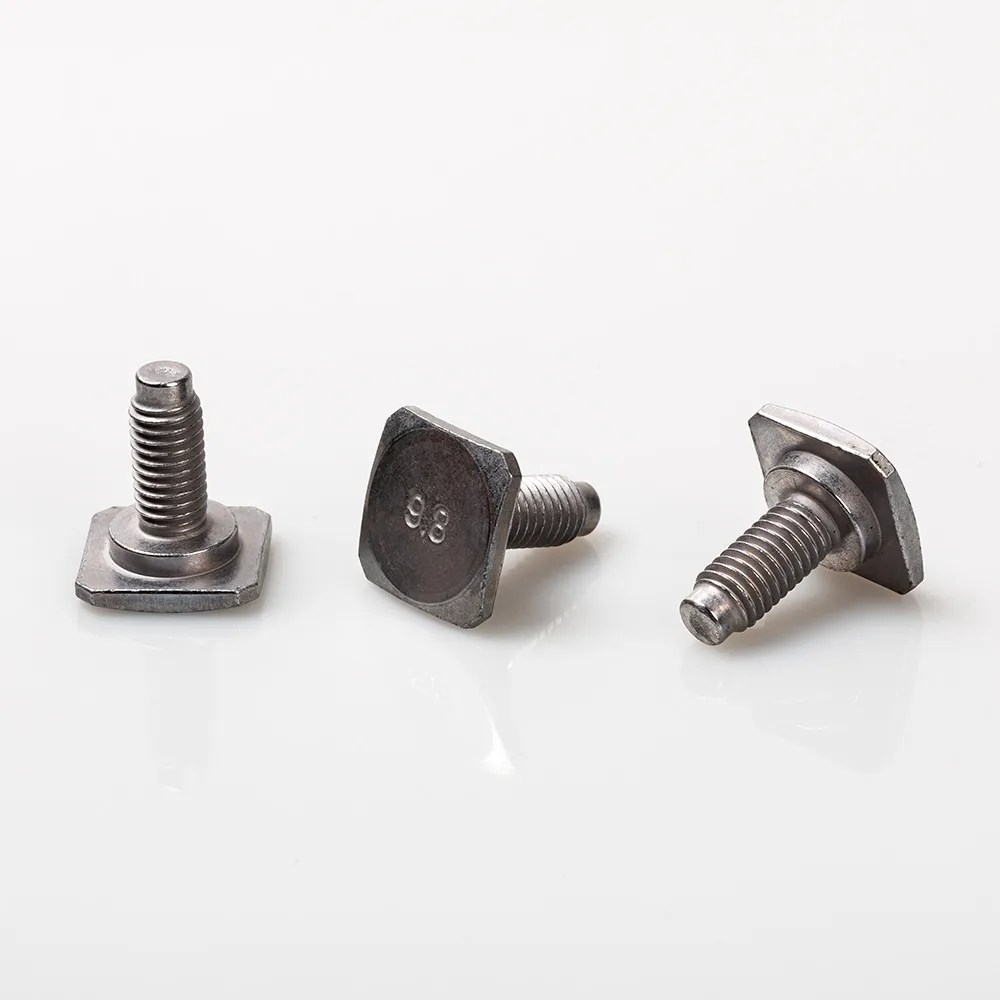
Metric external and internal thread fits are commonly specified with tolerance classes such as 6g / 6H. Thread tolerance class 6g/6H is the everyday pairing many drawings use for general-purpose metric fits.
ISO 965 defines the tolerance system for ISO general-purpose metric screw threads (M). Notation examples such as M12×1-5g6g show how class letters sit beside the size callout.
Important: A physical sample can support reverse engineering, but production still needs controlled dimensions and a revision—do not treat the sample as the sole manufacturing authority. — Source: common made-to-print practice plus TNHO drawing/sample language on the custom step shoulder screw listing.
| RFQ field | What to lock | Why it matters |
|---|---|---|
| Drawing revision | Controlled PDF or extract with owner | Keeps every quote on one geometry |
| Thread designation + class | Size/pitch plus class when fit matters | Aligns gauging expectations (e.g., external 6g with mating 6H) |
| Shoulder / step criticals | Diameters, lengths, transitions that position parts | Separates positioning features from clamp-only screws |
| Material callout | Grade or family as shown on the print | Prevents silent material swaps |
| Finish | Only listed finishes | Avoids quote drift on coatings |
| Quantity context | Prototype vs production bands | Steers machining vs heading proposals |
| Inspection expectations | Gauging or critical-feature checks | Makes acceptance comparable |
Leave blanks open rather than inventing a class, finish, or inspection method the print never stated.
For electric meter positioning or limiting shoulders made to drawings or samples, start from the published custom step shoulder screw listing and the OEM service page for listed geometry and service language. A step shoulder screw uses a controlled shoulder or step to set position or limit travel, not only to clamp a stack.
TNHO publishes custom step shoulder screws for electric-meter positioning and limiting with listed head types and example metric sizes, made to drawings or samples. Listed structural types include square-head, flower-head, and tapered-tail forms.
Example listed sizes include M6×18, M8×17.5, and M8×24 on the custom step shoulder screw product page. Surface finish options listed on that product page include black oxide / zinc plating—listed options, not corrosion-performance proof.
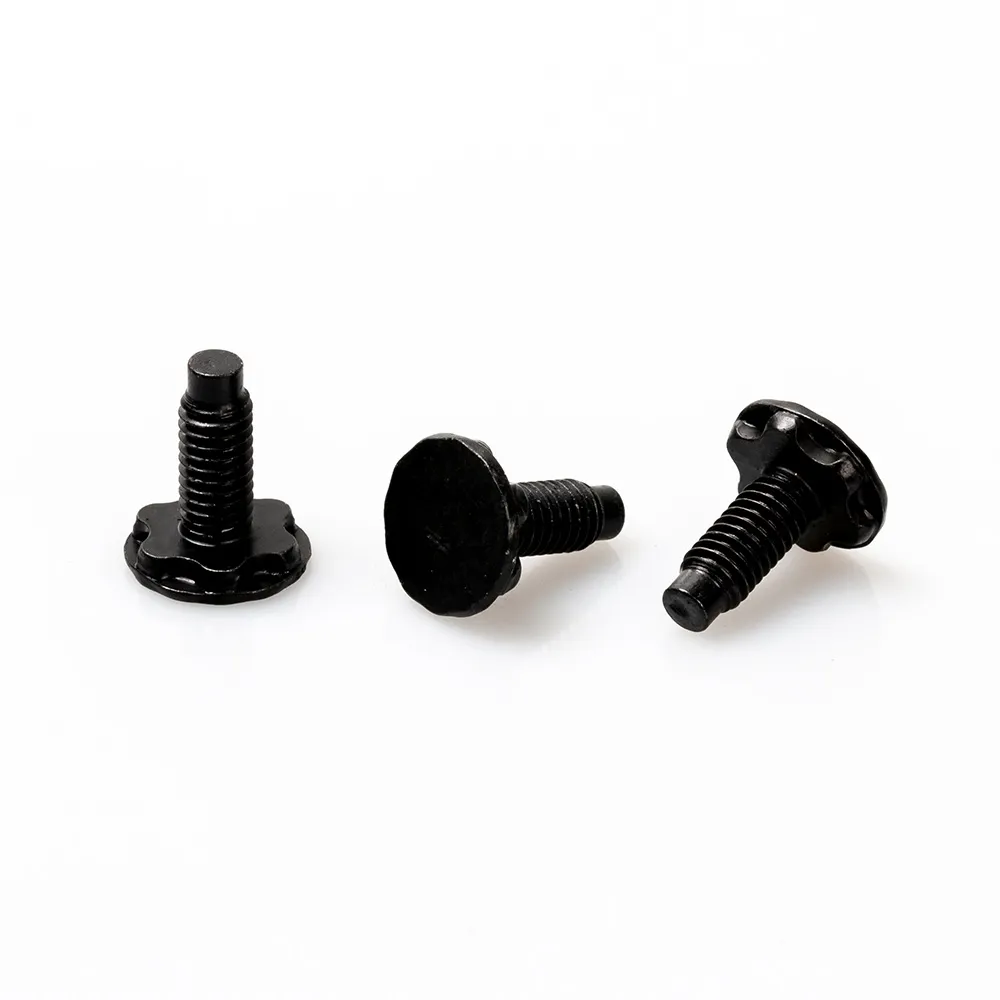
Start with custom step shoulder screws for electric-meter positioning when the print calls that geometry. The TNHO service page describes custom solutions, material guidance, and CAD drawings or samples before bulk orders—see the OEM / custom service page. Use contact when the controlled package is ready to send.
Skip this route when a catalog standard screw already meets geometry, when the print lacks controlled dimensions, or when the need is a torque, load, or certification proof rather than navigation.
Do not treat competitor tolerance marketing, CapEx anecdotes, or unverified torque, certification, MOQ, or lead-time language as TNHO proof. Keep performance claims out of the RFQ narrative unless separately evidenced for the assembly.
Do not treat this guide as proof of torque, load, corrosion life, ASTM or IATF certification scope, MOQ, lead time, or plant capacity. Those outcomes need product-level documents and the validation method the assembly owner selects. An OEM / procurement buyer should keep open fields labeled instead of filling them with marketing figures from unrelated shops.
Category navigation for related meter fastener reading sits under Electric Meter Fastener Guides.
It is drawing-driven production of non-catalog screws through machining or forming routes selected to the print—not DIY lengthening and not a local-shop directory search.
Choose machining when geometry is complex, tooling commitment should stay low, or volume is prototype or specialty. State quantity so suppliers can propose heading and rolling when volume and formability support them.
Lock revision, critical dimensions, thread designation with tolerance class when fit matters, material, finish, quantity context, and inspection expectations. Samples support; they do not replace the controlled drawing.
Yes when length, drive, or profile may already exist as a catalog standard screw. Reserve custom machining RFQs for truly non-standard function or geometry.
TNHO publishes custom step shoulder screws for electric-meter positioning made to drawings or samples, plus OEM service language for custom solutions and CAD or sample work. Open those pages for scope; they do not invent unlisted ratings.
Common general-purpose metric practice pairs external 6g with mating 6H unless the print requires a tighter or special class. Prefer naming the class on the drawing when assembly fit matters.
No. A sample may support reverse engineering observations, but production still needs controlled dimensions and a revision owner.
No. Torque and load ratings require separate verified product or test evidence owned by the assembly authority.

 TNHO
TNHO 


