Break-off screw service replacement planning should begin before the first installation. Decide who may reopen the equipment, which parts will be replaced, how adjacent components will be protected and how the assembly will be accepted again. Once the intended drive section separates, ordinary screwdriver access is no longer the normal service route. A useful plan therefore treats the fastener, enclosure, replacement stock and authorization as one maintenance decision. It does not assume that an installed screw can simply be tightened again. This guide focuses on preparing that decision for meter and equipment projects, without providing unauthorized removal methods or inventing a break-off torque.
A conventional reusable screw retains its drive feature for later operation. A break-off design intentionally changes the accessible head during its specified installation process. The exact remaining geometry depends on the design. Do not generalize from the name alone: a shear-head bolt, a breakable sealing screw and a security fastener with a special reusable drive can have different maintenance consequences.
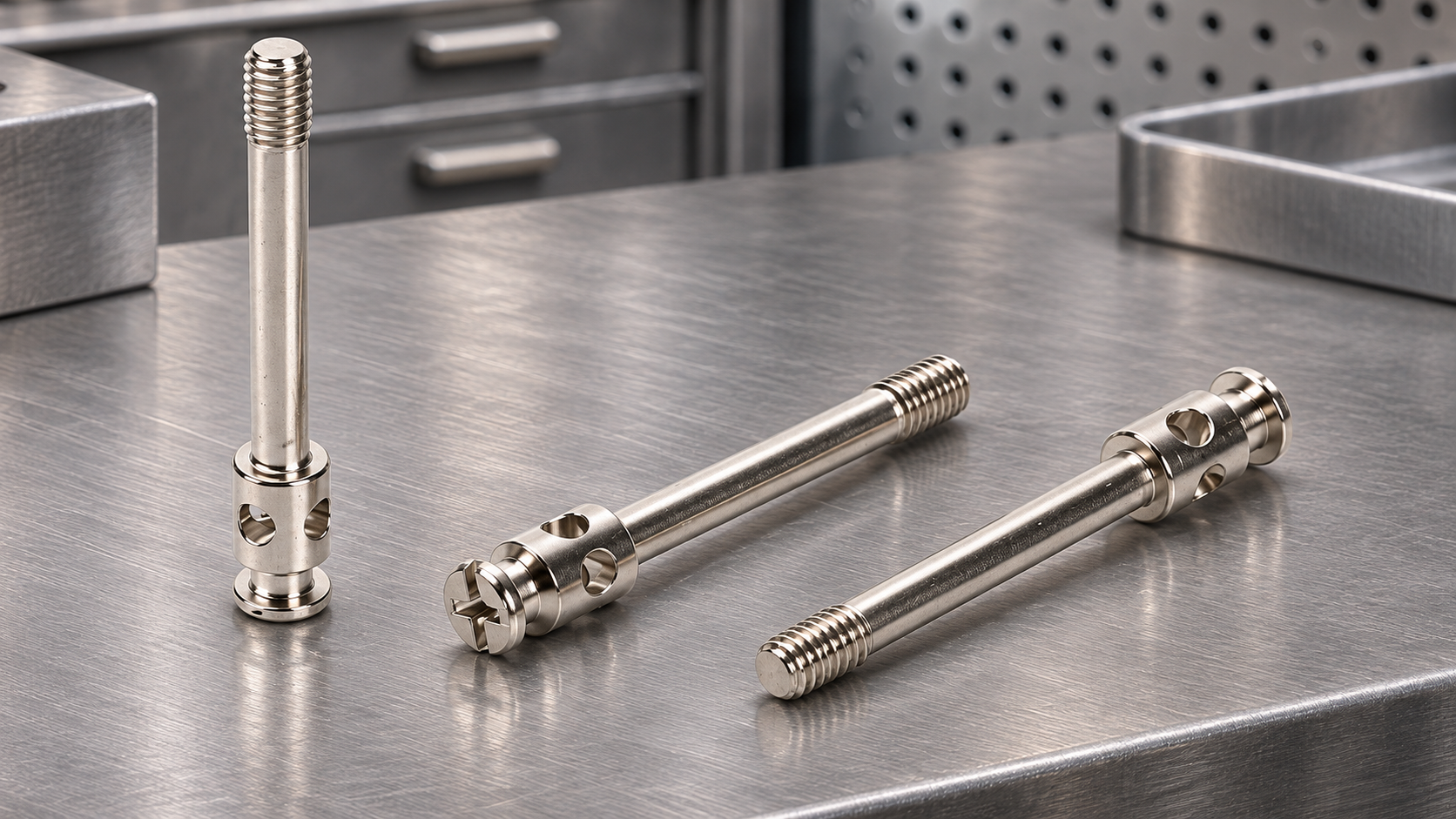
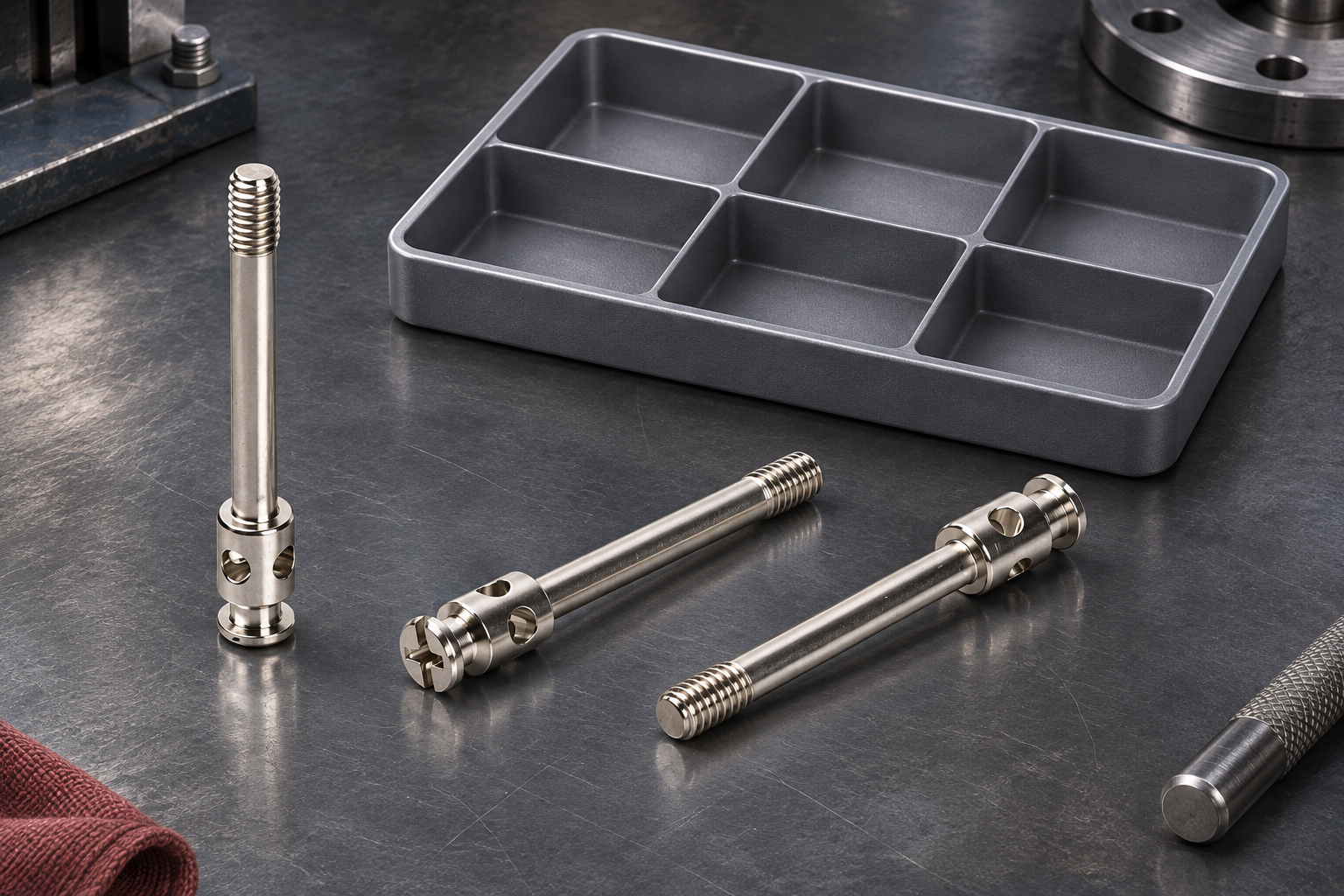
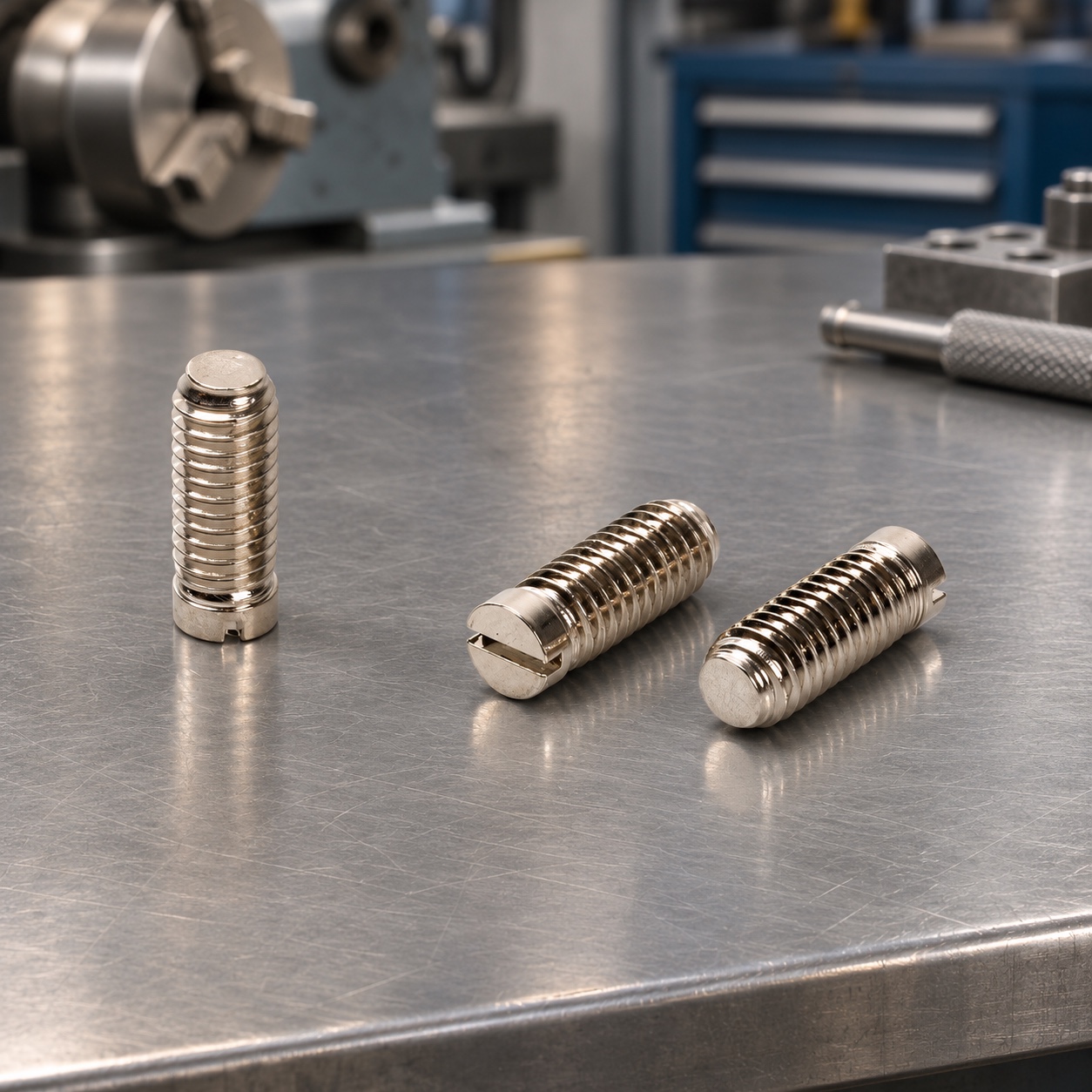
TNHO’s break-off tamper-proof screw family describes a one-time break-off structure for meter applications. The referenced product image shows long smooth shafts, short threaded ends and drilled collars beneath the drive heads. It is an identification reference, not evidence that a particular specimen has been installed, fractured or tested. The image number does not establish a formal model or approved torque.
Ask for a drawing that distinguishes the supplied condition from the completed installation. Identify the drive portion, separation feature, retained part and any sealing holes. If the supplier’s drawing and the equipment drawing use different descriptions, resolve that mismatch before samples are approved. Service planning depends on knowing what actually remains accessible.
Start with the equipment’s service concept. A cover opened frequently for adjustment has a different requirement from an enclosure intended to remain closed until replacement. Do not choose a permanent security feature solely because it appears harder to operate with common tools. Consider the frequency and consequence of authorized access throughout the equipment’s life.
Separate scheduled access, fault response and end-of-life handling. Each can involve different people, facilities and replacement parts. An operator might exchange a complete module in the field while a designated workshop evaluates the removed unit. Another project may require an authorized technician to restore the same enclosure. Those choices change the spare-parts package and the required maintenance documentation.
If reopening is expected, ask the equipment designer to compare the proposed break-off arrangement with a serviceable security solution. This is a design decision, not permission to substitute hardware on an existing meter. The correct comparison includes controlled access, traceability, downtime and enclosure preservation, alongside the fastening function.
Utility equipment and its seals are controlled by the relevant owner. A maintenance plan needs a named authorization path before it needs a tool list. Record who approves the work, which organization performs it and who accepts the restored equipment. Do not treat possession of a matching spare screw as permission to open an enclosure.
For an example of how equipment-specific requirements can be documented, Con Edison’s meter-engineering document MES-761 includes a drawing of a break-off screw for service end boxes. The drawing illustrates that such hardware is a specified component in a particular utility context. Its dimensions, historical material note and installation context are not specifications for a TNHO product.
The UK government’s gas-meter stamping guidance separately explains the significance of disturbed gas-meter seals and reporting to the supplier. That is a different metering application, cited to show why seal records and ownership matter. Apply the actual utility or equipment-owner procedure for the project; neither source grants general permission for removal.
A spare fastener is useful only when it matches the assembly revision that will be serviced. Record the controlled drawing, threaded interface, retained geometry and approved finish. Include any seals, labels or associated components that the owner requires to be renewed. Do not assume they are interchangeable because they appear similar in a photograph.
Distinguish mandatory replacement from conditional inspection. Some enclosure parts may be reusable if they meet the approved acceptance criteria; other items may be single use. The maintenance document should make that distinction explicitly and identify the authority behind it. A technician should not have to infer reuse policy while the equipment is open.
Packaging should preserve identification. If several visually similar screws are stocked, keep their drawing references and revision status with them. A separate tray can help prevent mixing during preparation, but a tray alone is not traceability. The supply record must continue to identify the part after it is removed from bulk packaging.
This qualitative table organizes the questions a project must answer. It does not prescribe a removal method, inspection limit or service interval. Those decisions belong in the equipment owner’s approved maintenance instructions.
| Planning question | Evidence to request | Consequence if unresolved |
|---|---|---|
| Who may reopen the joint? | Written owner authorization and responsibility | Work cannot be assigned safely or lawfully |
| What remains after installation? | Supplied and installed-condition drawings | Access and replacement scope remain uncertain |
| Which items are single use? | Approved replacement policy and parts list | Reuse decisions become inconsistent |
| How is adjacent equipment protected? | Authorized work instruction and isolation arrangements | Avoidable enclosure or component damage |
| What restores acceptance? | Reassembly, inspection and sealing requirements | A closed cover may be mistaken for completed service |
| What must be recorded? | Asset, part revision and seal-record requirements | Future service history cannot be reconstructed |
Use the table at design review and again when the service organization changes. An acceptable concept in a controlled workshop may not be practical in the field. If the only available plan relies on undocumented improvisation, the service concept is not ready for release.
A detached drive section is an observable event. It is not, by itself, a complete acceptance record for every surrounding component. The approved process may also require correct seating, enclosure alignment, retention and security-seal restoration. Specify what must be inspected and by whom rather than reporting only that the head separated.
Do not invent an installation torque from the screw size, material appearance or the behavior of another break-off design. The separation feature and assembly conditions are design-specific. Request the supplier’s approved information and the equipment designer’s procedure. If the head separates before the intended assembly condition is reached, stop and evaluate the discrepancy through that procedure.
The site’s bolt tightening sequence guide explains why joint seating and controlled assembly deserve their own attention. It is background for planning, not a substitute torque instruction for a breakable meter screw. Keep the product-specific acceptance criteria with the controlled drawing and work instruction.
Reopening can disturb more than the fastener. The service record may need to capture the reason for access, enclosure condition, replaced components and the identity of the new seal. Decide the required record before the work is scheduled. Otherwise, information that was easy to capture during service may be unavailable after the enclosure is closed.
Define an acceptance handoff. The person carrying out the mechanical work may not be the person authorized to restore a utility seal or return equipment to operation. A complete plan identifies those separate responsibilities and the evidence passed between them. A signature without an identified scope is less useful than a short record linked to the actual work instruction.
Maintain a route for unexpected findings. If the threaded seat, cover or adjacent part does not meet acceptance criteria, the technician needs a clear escalation path and approved spare options. Avoid wording that encourages the use of a longer or larger substitute simply to finish the job. A changed fastener can affect clearance, engagement and other equipment requirements.
One mistake is buying only against the supplied appearance while ignoring the installed condition. Another is treating every security screw as reusable with the right bit. A third is assuming that spare inventory removes the need for an authorized service method. Each mistake leaves the service organization with an unanswered question after the original installation is complete.
A useful inquiry includes the intended service concept, drawing revision, required supplied condition, approved interface and documentation requirements. Ask the supplier to flag uncertainties. Do not request unverified promises such as universal tamper resistance or a guaranteed removal time. Those statements are not established by the gallery image or a general product description.
For complementary access topics, the site’s thumb screw glove-clearance article discusses a reusable hand-operated arrangement, while the carriage-bolt spinning guide separates interface faults from simple tool choice. They concern different hardware and should not be used as interchangeable service instructions.
NPTEL’s IIT Kharagpur lecture below provides general education on threaded fasteners. Use it to understand the underlying joint before discussing a design-specific break-off feature with the supplier. It does not demonstrate this TNHO screw, establish its separation torque or authorize meter service.

Follow the equipment owner’s replacement policy and the approved fastener documentation. Do not presume reuse of a component whose intended drive section has separated. Include replacement parts in the service plan before installation.
No. It confirms an observed event, while seating, enclosure condition, retention and resealing may require additional checks defined by the approved equipment procedure.
It can be documented later, but that can reveal access or replacement problems that were easier to resolve during design. Establish the service concept and responsibility before approving production hardware.
No. The images are reference-based industrial illustrations of the supplied exterior. They do not establish test results, a formal model, material chemistry or an approved maintenance method.

 TNHO