Zinc plated vs galvanized fasteners usually means comparing electroplated zinc with hot-dip galvanized zinc on a steel fastener. Both use zinc for corrosion protection, but they are different coating processes with different typical thickness, surface appearance, dimensional effects and specification routes. Choose by exposure, thread fit, fastener size and strength, mating hardware and the required standard—not by assuming every silver screw is “galvanized.” Hot-dip galvanizing often provides a heavier coating for demanding outdoor service; electroplating is frequently chosen where a more controlled thin finish and close thread fit matter. Neither option is guaranteed suitable without a defined environment and test plan.
In casual product listings, “galvanized” can refer loosely to several zinc-coating routes. In a technical order, write the process. Electroplating deposits zinc from an electrical bath onto the fastener. Hot-dip galvanizing immerses the prepared steel article in molten zinc and, for many threaded fasteners, uses a spin-off process to control excess coating. Mechanical galvanizing is another route and must not be silently substituted for either. The American Galvanizers Association’s fastener coating overview distinguishes these methods and explains why fit, paintability, appearance and embrittlement concerns enter the choice.
ISO 10684:2004 covers hot-dip spun galvanized coatings on specified threaded steel fasteners within its scope; ISO 4042:2022 addresses electroplated coating systems for fasteners. The standards are not interchangeable product labels. Identify the base fastener, coating designation, mating thread and inspection requirements on the drawing. If a part is outside a standard’s size or geometry scope, agree on a justified alternative specification rather than copying a standard name without checking applicability.
TNHO’s heavy-duty hex and square-head bolt family lists electro-zinc plating and hot-dip galvanizing among surface-treatment options. This is a relevant product family, but a product photo cannot prove which process produced the pictured finish. The comparison illustrations below preserve the site’s bolt geometry and show only an indicative visual; they are not certified coating samples. For a long, ribbed-shank form, the knurled-shank carriage-bolt family also lists these options. Obtain the actual finish designation for any order.

A heavier zinc coating generally offers more zinc available for sacrificial protection, but service life is not a simple fixed number of hours. Local moisture, salt, sulfur compounds, abrasion, crevices, installation damage and maintenance can dominate the result. The American Galvanizers Association notes that hot-dip galvanized fasteners to the relevant hardware standard can have thicker coatings than other zinc methods. That observation is about a defined process and specification; it does not turn every hot-dip bolt into a universal substitute for every plated bolt.
Electroplated zinc can be specified with different thicknesses and supplementary treatments. A thin, bright finish for an indoor cabinet does not tell you how it will perform at a coastal outdoor site. A conversion coating or sealer changes the finish system and must be described separately. Similarly, a hot-dip coating may have a duller or less uniform-looking surface without being unacceptable, but visual acceptance still follows the agreed standard. Do not equate shine with corrosion resistance. Ask for the coating system and acceptance evidence, and choose a test that reflects the failure mode that matters.
Salt-spray hours are especially easy to misuse. They are laboratory exposure results under a specified procedure, not a direct forecast of years outdoors. A claim such as “500 hours” is incomplete without the test standard, coating condition, acceptance criterion and whether white or red corrosion was assessed. Compare coating systems under the same method and relevant service conditions. For an electrical cabinet, consider whether a failed fastener would compromise enclosure sealing, grounding, accessibility or maintenance—not just how attractive the head remains.
Zinc occupies physical space on the thread. A thicker finish can change pitch-diameter fit, especially on small or fine-pitch fasteners. ISO 10684’s scope begins at M8 and cautions against hot-dip galvanizing smaller threaded fasteners or low pitches without special consideration. That is a meaningful boundary for buyers of miniature electrical hardware. A generic “hot-dip for maximum protection” instruction can create assembly problems if the designer has not allowed for the coating and mating nut. Electroplating can also affect dimensions; it is not dimensionally invisible.
Define the nut and bolt as a mating system. Hot-dip galvanized assemblies often require compatible nut-thread allowances and careful specification of which component is coated before or after thread cutting. Do not mix an unqualified nut with a coated bolt and assume that it will assemble or deliver the expected clamp load. Check go/no-go thread acceptance after finishing as agreed. The thread-gauge inspection guide explains fit checks; the coarse versus fine thread guide addresses pitch selection, which should be settled before choosing a coating route.

| Question | Electroplated zinc | Hot-dip galvanized zinc | Required check |
|---|---|---|---|
| Process | Zinc deposited electrochemically | Prepared steel immersed in molten zinc, often spun for threaded hardware | Named process and coating standard |
| Outdoor exposure | Specify thickness and supplementary finish for the actual environment | Often selected where a heavier coating is justified | Service environment and corrosion acceptance |
| Fine or small threads | Can be suited to close-fit requirements if specified correctly | Check ISO 10684 size and pitch limits before considering | Post-coating gauge fit and mating nut |
| High-strength fastener | Evaluate hydrogen-embrittlement controls | Evaluate process and heat-treatment compatibility | Material class, coating process and risk controls |
| Appearance | Often smoother and brighter | May be more textured or matte | Use specified finish criteria, not color alone |
These are process tendencies, not guaranteed coating thicknesses or performance values. The table draws on ISO 10684, ISO 4042 and the American Galvanizers Association’s fastener guidance. Compare quoted parts only after the vendor identifies the exact fastener, coating designation, treatment and acceptance route. Do not compare an unspecified plated screw to a fully specified hot-dip bolt by unit price alone.
Coating a high-strength steel fastener introduces process questions beyond red rust. Surface preparation and electroplating can raise hydrogen-embrittlement concerns in susceptible parts. ISO 4042 includes requirements and recommendations to minimize that risk. Hot-dip galvanizing also needs review for material and heat-treatment compatibility, especially where process temperatures or cleaning steps may affect a high-strength part. The engineering team should set permitted coating processes for the fastener’s actual property class rather than letting a supplier choose the cheapest zinc route.
Installation friction can change after a coating, supplementary treatment or lubricant. If preload is critical, confirm the specified torque/clamp behavior on the complete bolt, nut and washer combination. Do not carry a torque chart across coating systems without testing. An apparently stronger corrosion finish can still create a poor joint if thread fit, clamp force or embrittlement is neglected. This is why coating selection belongs on the drawing and in the assembly validation plan.
State the base fastener standard or custom geometry, size and pitch, material and property class. Then name the coating process and current standard, required coating designation or thickness, supplementary treatment, appearance criteria, post-coating thread acceptance, embrittlement controls where applicable and documentation. State whether the nut, washer and other mating hardware are supplied as a matched system. For a custom bolt, provide a critical-dimension list that reflects the finished coated part, not just the uncoated blank.
At receiving, check the order and certificate or declaration against the actual lot, not only the carton label. Sample the finished thread with the agreed gauge, review visible coating defects and confirm that assembly trials reach the intended clamp without seizing or stripping. If corrosion testing is required, record the method, exposure duration, acceptance criteria and tested production condition. Keep the lot traceable so a future field complaint can be linked to the coating batch. The carbon versus alloy steel fastener guide addresses the base-material decision, which must not be silently conflated with zinc finish selection.
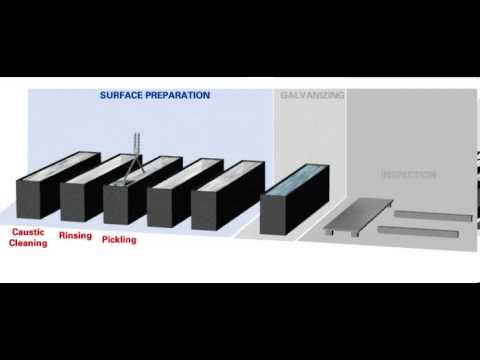
This American Galvanizers Association educational video shows the process sequence. It explains the coating route but does not qualify a particular TNHO fastener or decide whether a specific electrical assembly should use hot-dip galvanizing.
Both can use zinc, but zinc plating normally refers to electrodeposition; hot-dip galvanizing is a distinct immersion process. Specify the route explicitly.
It often offers a heavier protective coating, but service environment, thread fit, fastener strength and mating hardware must be checked.
Check the applicable standard and engineering feasibility. ISO 10684 does not recommend its covered process for threaded fasteners below M8 or with pitch below 1.25 mm.
No. Similar appearances can arise from different finishes. Use the coating specification and traceable lot evidence.

 TNHO
TNHO