Drive type and head height are selection inputs that must be recorded before a compact-electronics screw RFQ is comparable. A product family name alone does not settle tool access or the head envelope.
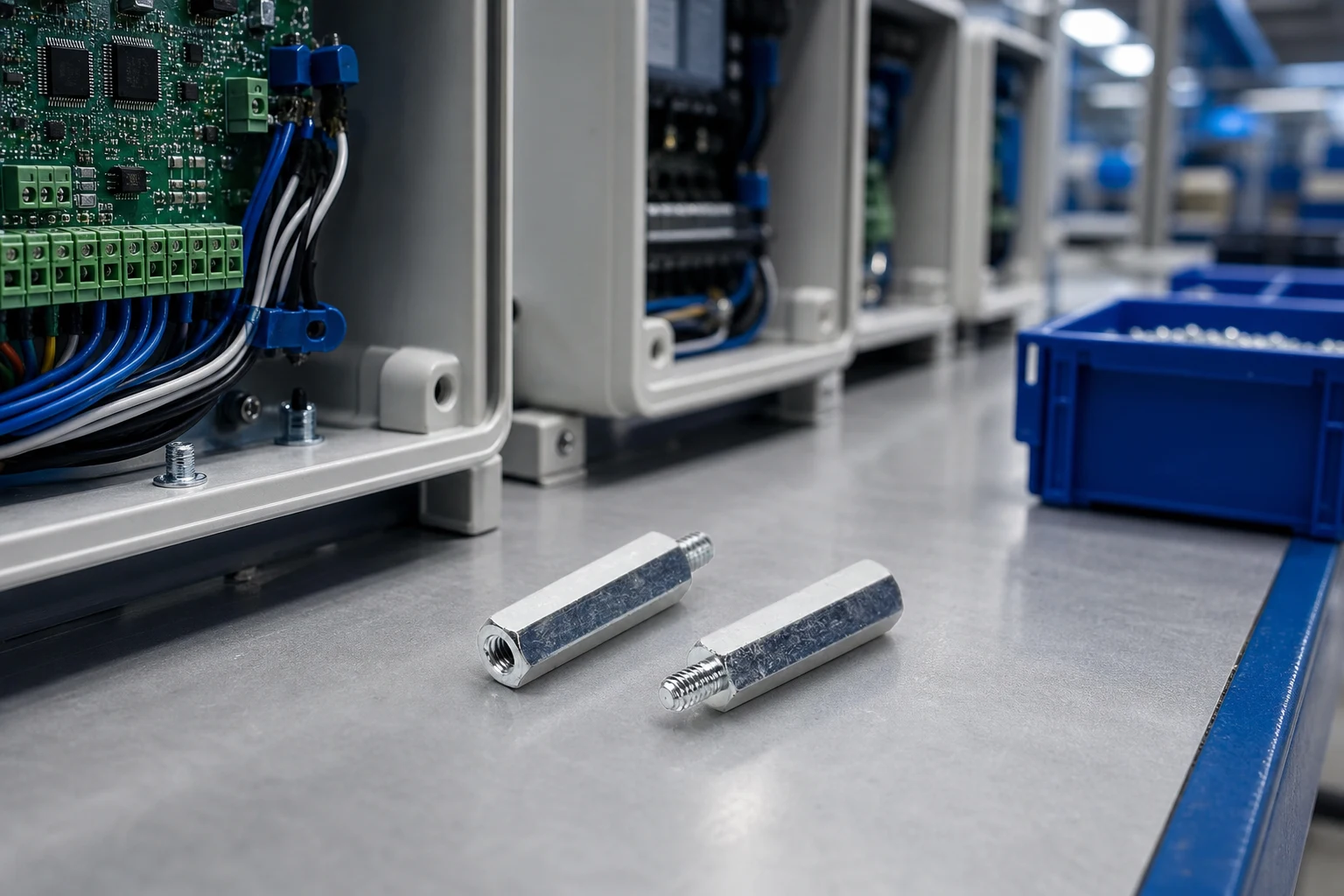
Open a micro screw drive head height review by naming the compact interface under discussion and the revision that controls it. Ask which drive the assembler can reach, which head height the nearby components allow, and who owns approval if either input is still open. Do not begin with a generic micro-screw catalog label that skips those fields.
This article stays on drive and head-height selection inputs. It is not a general micro-machine-screw size or torque guide, and it is not a cover-clearance stacking review. The goal is to keep tool access and head envelope attached to the controlled drawing before quotations diverge.
Record drive and head-height fields as separate rows so a supplier response can address each one:
| Selection input | Question to record | Owner |
|---|---|---|
| Drive type | Which drive is required or preferred at the access face? | Assembly owner |
| Tool path | Can the tool reach the drive without obstruction? | Manufacturing |
| Head height | Which nearby part limits the head envelope? | Design |
| Head style family | Is a pan, flat, or other stated head style shown? | Drawing owner |
| Open point | What remains unconfirmed before RFQ release? | Approval owner |
Do not convert an unanswered row into a claim about torque capacity, vibration resistance, material grade, or long-term reliability. Those outcomes need project-specific evidence outside this selection-input checklist.
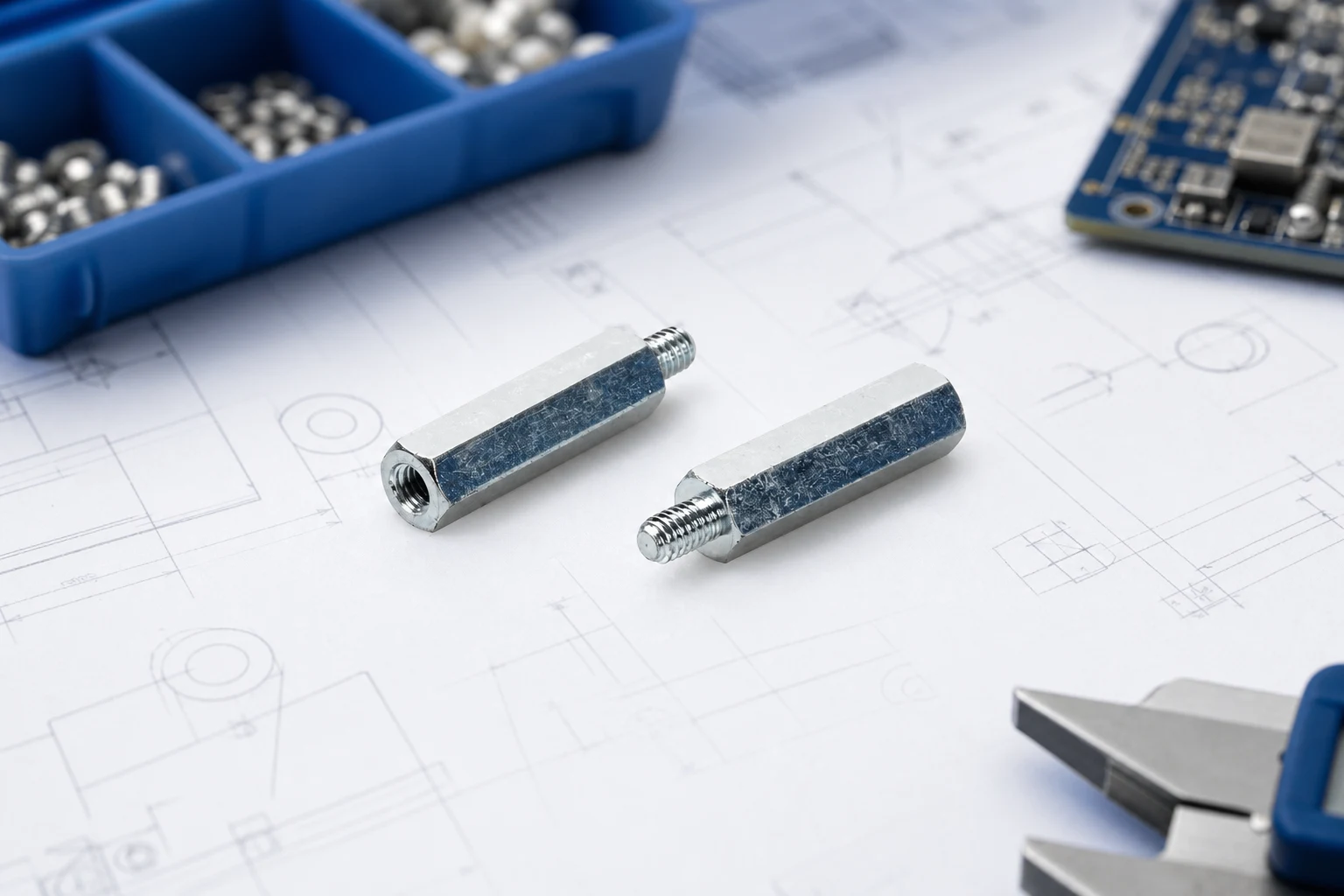
A sample or photograph can help people see a drive recess or an approximate head form. Label the view, the sample identifier, and the revision context. The image does not establish the production requirement if the surrounding electronics stack-up has changed.
If a sample suggests a different drive or a taller head than the drawing shows, route that observation to the drawing owner. The RFQ should not silently adopt the sample as the new specification.
Ask every supplier to quote against the same drive and head-height package: current revision, quantities, destination, completed selection inputs, and labeled open points. If tool access or head envelope is still unknown, keep the field open instead of inviting each quotation to assume a different drive or head form.
A comparable response separates confirmed drawing requirements, supplier-proposed alternatives, and items awaiting engineering direction. That structure helps procurement record a deviation without treating a familiar pan-head or slotted description as proven fit for the compact assembly.
This checklist does not prove that any micro or compact screw configuration meets a load, torque, sealing, corrosion, electrical, safety, certification, or lifecycle requirement. It also does not replace a dedicated cover-clearance review or a general micro-screw sizing guide. Those topics need their own controlled inputs.
Pause the RFQ when the drive cannot be reached, when head height is limited by an unidentified neighbor part, or when a buyer is asking suppliers to choose a drive style to compensate for missing drawing notes. Resolve the selection inputs first.
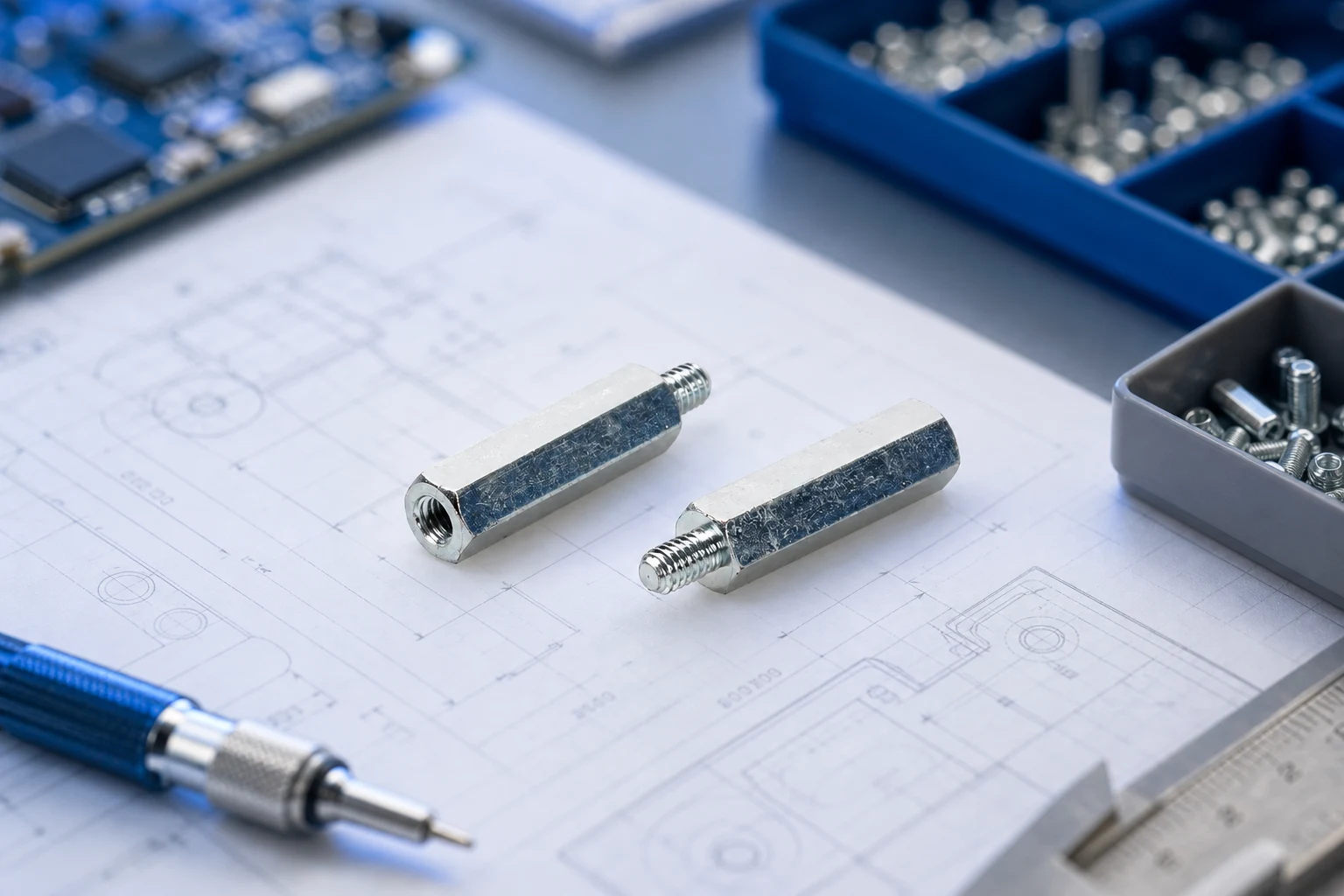
After the drive and head-height inputs are ready, use the TNHO pan head and slotted screw product page as a navigation starting point. Authenticated REST verification confirmed that TNHO publishes this pan-head and slotted screw product route. The page supports a focused discussion about drive and head-style families; it does not replace the project drawing or establish unlisted dimensions, materials, torque values, or lead times.
For the next step, send the controlled drawing and RFQ inputs with quantities, revision, drive and head-height fields, and open points. Adjacent reading includes TNHO products and Micro Machine Screws for Electronics Assembly: Sizes, Drives, and Torque Control. Product recommendation: use the linked TNHO product route only when drive and head-height inputs are documented. Do not recommend it where suitability must be inferred from a photo or from a generic micro-screw label.
Before release, retain a short note that lists the revision reviewed, the drive and head-height inputs confirmed, remaining open points, supplier alternatives under review, and the person authorized to close each item. The note is not a performance certificate. It keeps the purchase description attached to the same selection inputs that engineering approved.
For repeat orders, do not reuse an earlier drive preference or head-height assumption unless the assembly owner confirms that the compact interface still matches the current revision. Nearby components and tool paths can change even when the screw family name stays familiar.
Confirm the controlling drawing, the required or preferred drive, the head-height limit, and the approval owner.
No. A photo can support discussion, but it does not replace the controlled selection inputs.
Include revision, quantities, destination, drive and head-height fields, and labeled open points.
A general guide may cover sizes and torque topics. This article stays on drive and head-height selection inputs for RFQ comparability.
No. Performance and compliance need project-specific evidence and the validation selected by the assembly owner.
Pause when tool access, head envelope, or drawing ownership is unclear.
Use the verified product route in Part 6 and send the controlled drive and head-height package.

 TNHO
TNHO 


