A prototype fastener sample can open a discussion, but production release still needs a controlled path from sample evidence through revision ownership to a comparable purchase package.
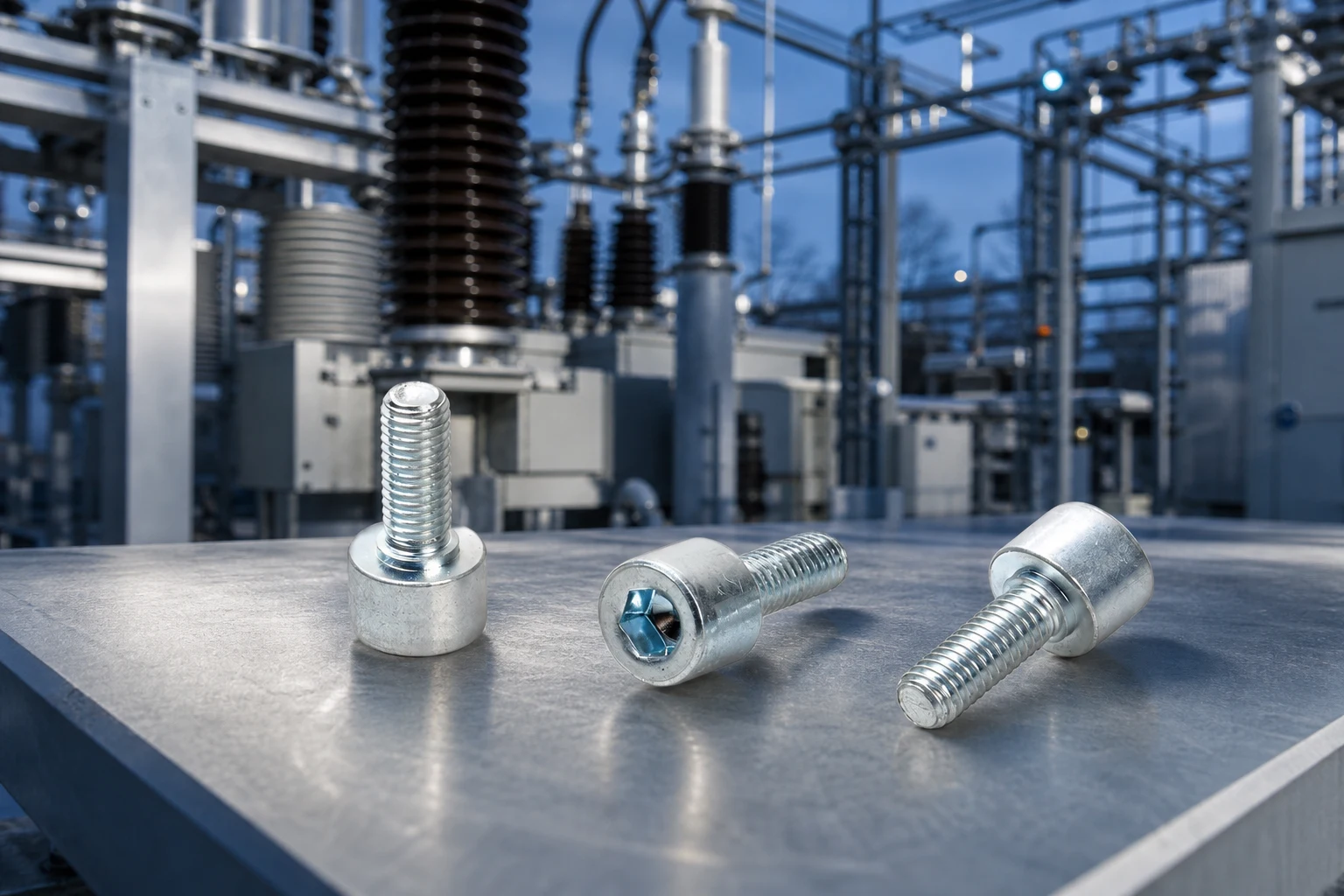
Begin a prototype to production fastener release workflow by naming the current stage: sample review, revision handoff, or production release. Record the assembly, the controlling revision, the business question for that stage, and the person who can approve movement to the next stage. Mixing those questions in one email thread is a common way for a prototype observation to be mistaken for a production requirement.
Keep the stages visible in the RFQ package. Sample evidence answers what was observed. Revision control answers which document governs the next build. Production release answers whether purchasing may proceed against that document. Separating the stages prevents a buyer from treating any one artifact as a full approval trail.
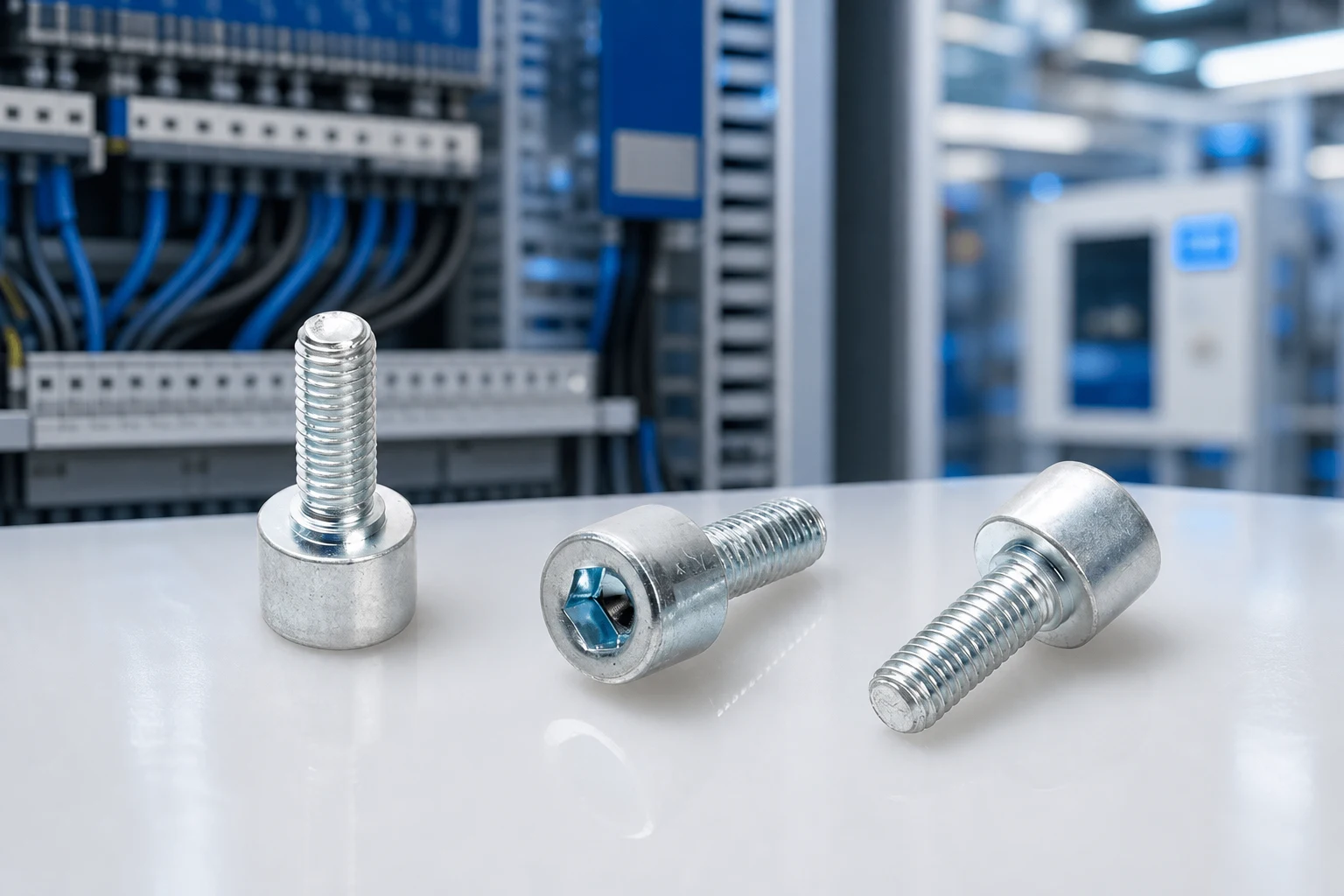
Photograph or identify the sample views that matter, mark observations against the drawing, and list anything the sample cannot prove. Attach the sample identifier to the revision context so it cannot drift into a later order as an informal substitute for the requirement.
A sample is useful for clarifying drive, head form, engagement, packaging, or marking questions. It is not a production specification by itself. If the sample suggests a change, the drawing owner decides whether the controlled document must be updated before any release discussion continues.
Use a stage table so every participant sees the same handoff:
| Stage | Question to record | Owner |
|---|---|---|
| Sample evidence | Which views and identifiers were reviewed? | Requester |
| Revision status | Which drawing revision governs the next quote? | Assembly owner |
| Open change | Does any sample observation require a document update? | Engineering |
| Production package | Which quantities and destinations are being quoted? | Buyer |
| Release gate | Who may close remaining exceptions? | Approval owner |
Do not collapse revision-change paperwork into this whole workflow. A revision-change article can focus on drawing deltas alone. This package keeps sample evidence and production-release gates in the same controlled path because buyers often need all three before a purchase decision is comparable.
Ask every supplier to quote the same release package: current revision, sample or photo references labeled as evidence only, quantities, destination, inspection or packaging needs if defined, and open points with owners. If a prototype note is still unresolved, keep it open instead of letting each quotation invent a different interpretation.
A comparable response distinguishes confirmed requirements, supplier alternatives, and items awaiting engineering direction. That layout helps procurement record a deviation without implying that the prototype already approved production.
This workflow does not prove that any sample, revision, or quoted configuration meets a load, torque, sealing, corrosion, electrical, safety, certification, or lifecycle requirement. Those outcomes need product-specific evidence and the validation path chosen by the system owner.
Pause release when the controlling revision is unclear, when sample evidence is being treated as a silent specification, or when production quantities are requested before open interface questions have an owner. The topic is less suitable when the buyer only needs a single revision-delta checklist and already has a released drawing with no sample stage.
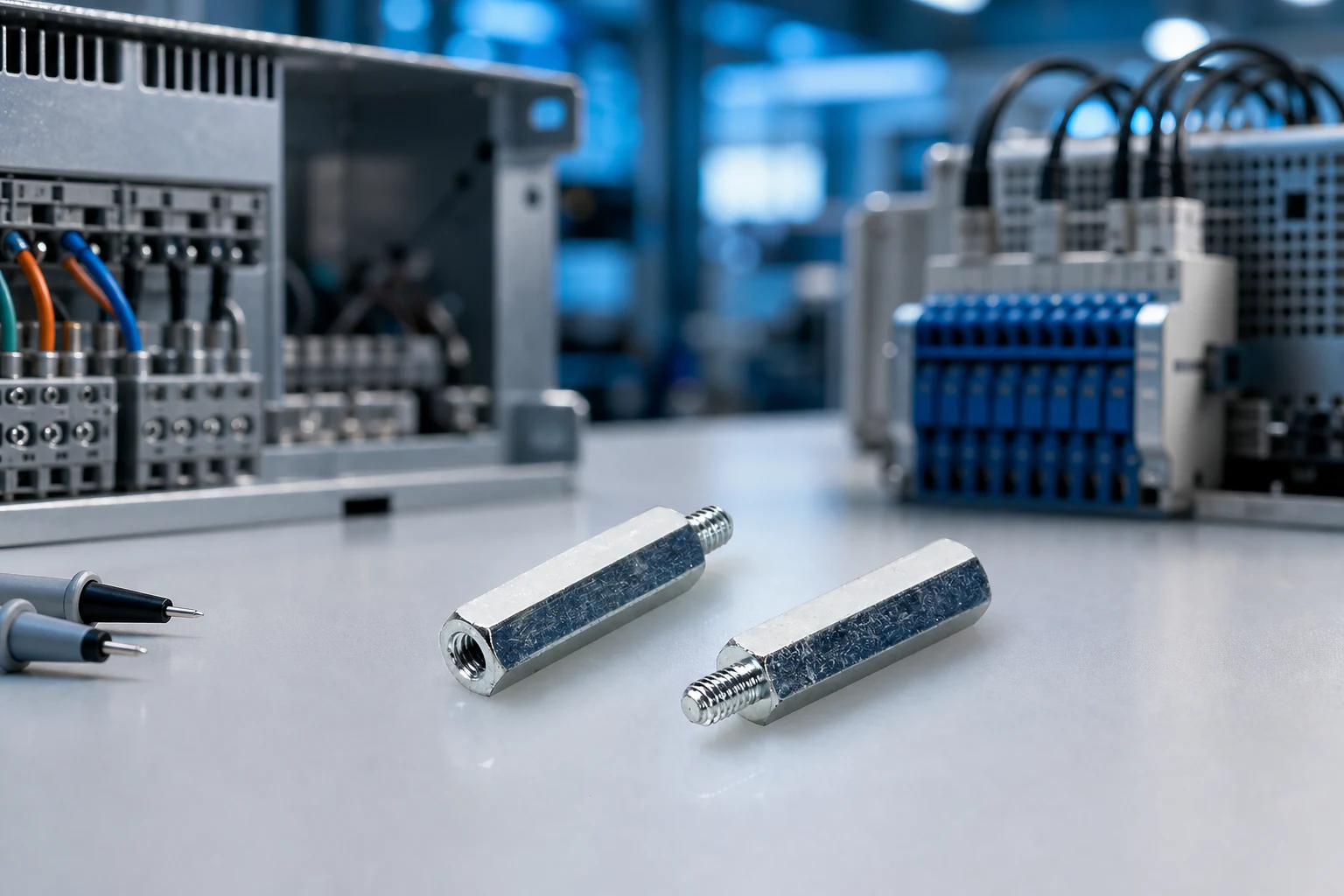
Once the sample, revision, and release inputs are assembled, use the TNHO custom fastener service route to start a focused custom-service discussion. The destination confirms that TNHO publishes a relevant service route; it does not replace the drawing or establish an unlisted material, rating, lead-time, or compatibility property.
For the next step, send the controlled package with revision, sample identifiers, quantities, and labeled open points. Readers who need adjacent context can review TNHO products and Custom Turned Fasteners: Questions to Ask Before Quoting. Product recommendation: use the linked TNHO service route only when the stage map and approval owners are ready. Do not recommend it where a prototype photo is being asked to substitute for a controlled release package.
Before production release, retain a concise record that links the sample identifier, the revision reviewed, supplier responses, decisions made, remaining exceptions, and the person authorized to close each exception. The record keeps RFQ language attached to the same trail from first sample to purchase release.
For repeat orders, do not reuse an earlier sample photo or email description unless the assembly owner confirms that it still matches the current revision. Surrounding clearance, mating features, and acceptance needs can change even when a familiar part name remains. A controlled trail helps the next buyer ask a stage-specific question instead of skipping from prototype to purchase.
Confirm the current stage, the controlling revision, the sample identifier if used, and the approval owner for the next gate.
No. A sample can support review, but production release still needs the controlling revision and an explicit approval path.
Include the revision, labeled sample evidence, quantities, destination, and open points with owners.
Revision-change control focuses on drawing deltas. This workflow also covers sample evidence and the production-release gate.
No. Performance and compliance need project-specific evidence and the validation selected by the assembly owner.
Pause when revision ownership, sample-to-drawing alignment, or acceptance closure is unclear.
Use the TNHO route in Part 6 and send the controlled sample-revision-release package.

 TNHO
TNHO 


