Electrical Cabinet Thread Mating: Drawing Checks That Prevent Assembly Errors is handled as a controlled-document review: establish the actual interface, expose open questions, and give every supplier the same evidence.
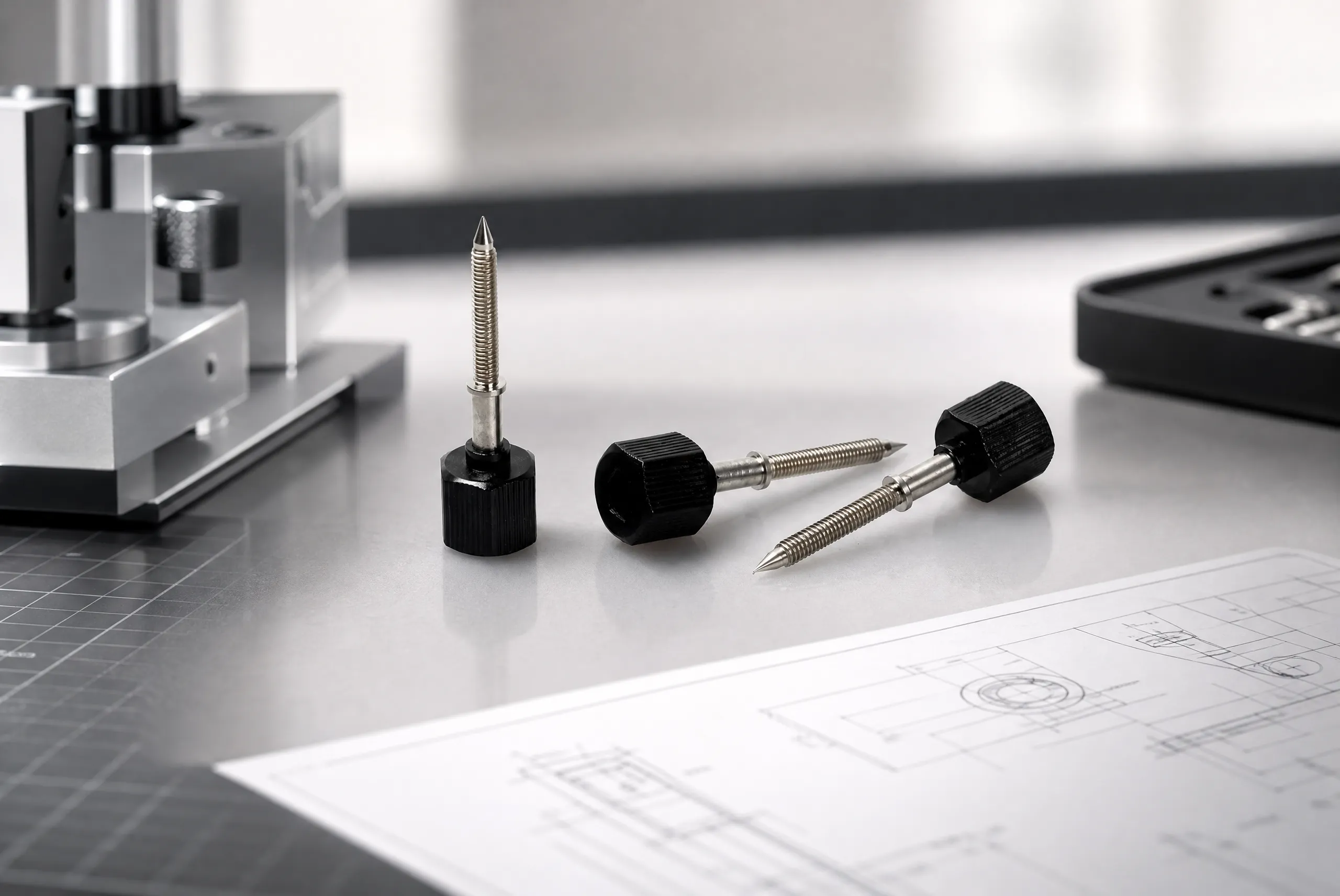
An electrical cabinet thread-mating review begins with the thread designation and receiving feature on the controlled drawing. A cabinet-screw category name, photograph, or earlier purchase order does not establish pitch, engagement, or access for the next build. Name the joined components, the revision, and the person who owns technical approval before comparing fastener options.
Separate confirmed thread data from open questions. If the mating feature is shown only in a photo, mark the missing callout instead of inviting suppliers to guess.
Check thread designation, mating feature type, engagement length, head or tool clearance, and the installation sequence as separate items. A nominally familiar screw can still bind, bottom out, or block access when surrounding panel parts change.
| Drawing check | Question to record |
|---|---|
| Thread callout | Which designation and class control the joint? |
| Mating feature | What nut, insert, extruded hole, or terminal feature is shown? |
| Engagement | What engagement length or stop condition is required? |
| Clearance | Which nearby part limits head or driver access? |
| Sequence | At which step is the fastener installed and inspected? |
Leave blank rows open. Do not fill them with inferred electrical or mechanical performance.
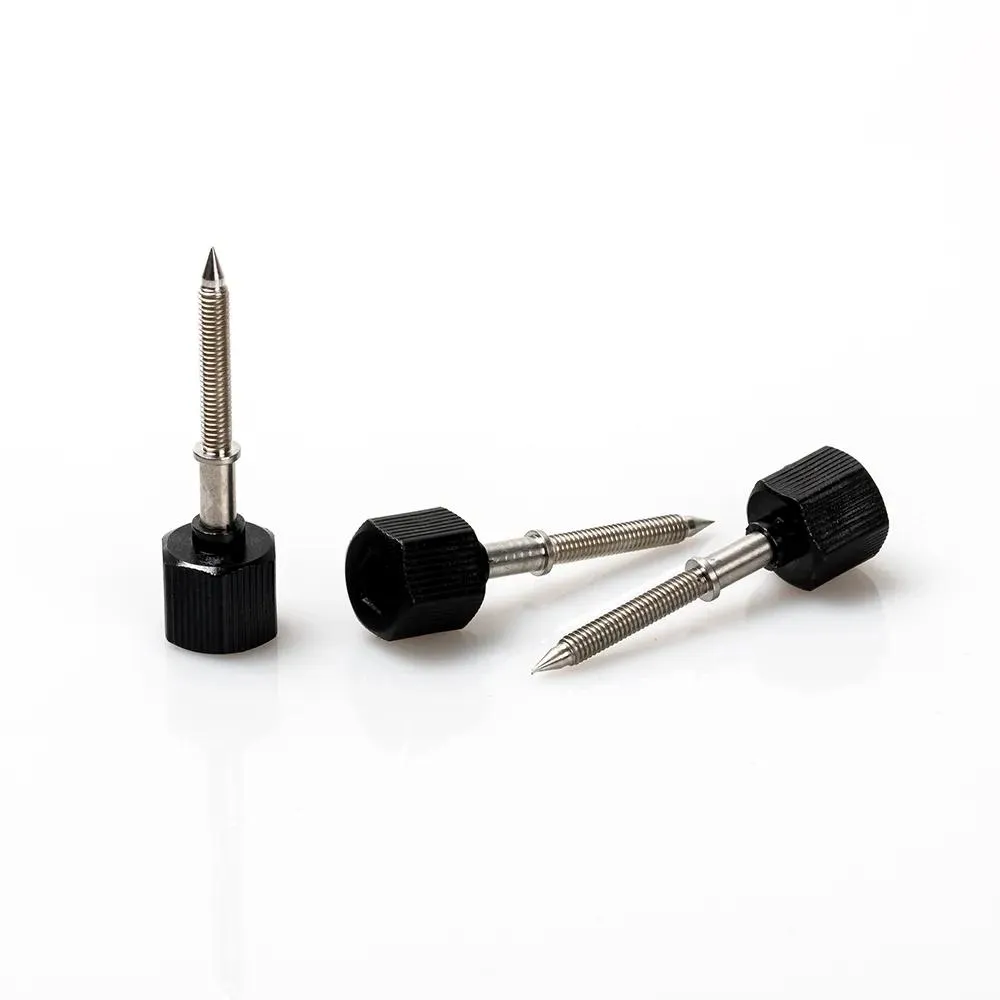
A sample can reveal thread feel or head envelope issues, but it is not a substitute for the mating callout. Record the views inspected, whether the mating part was present, and which dimensions remain unverified. If the sample changes the requested thread or engagement condition, the drawing owner must decide how the change is represented.
Keep the sample note with the revision. Do not reuse an earlier cabinet screw description when the receiving feature has changed.
Provide one controlled package to every supplier: drawing revision, thread and mating callouts, access notes, quantity breaks, packaging or inspection needs if defined, and a technical contact. Flag unknowns instead of allowing each quotation to assume a different engagement condition.
Distinguish confirmed requirements, supplier alternatives, and items awaiting engineering direction. That structure prevents assembly errors caused by mismatched assumptions in the quote stage.
This article does not establish voltage, current, insulation, short-circuit, torque, load, corrosion, sealing, safety, certification, or lifecycle performance. Those outcomes require product-specific evidence and the validation plan owned by the system designer.
The workflow is less suitable when the mating feature is unknown, the drawing is unavailable, or someone tries to infer electrical suitability from a fastener category name. Obtain the controlled inputs first.
After the drawing checks are complete, use the terminal screws product route and the terminal screws aggregation page to orient a TNHO discussion. Navigation confirms a related product family exists; it does not replace the mating callout or create an unlisted rating.
Send the controlled drawing and RFQ inputs with quantities and open questions. For broader cabinet context, see Electrical cabinet screws: Types, uses & advantages and Electrical Fasteners: Some Basic Information.
Before purchase release, attach a short record that lists the revision, each mating check result, unresolved items, and the approval owner. If a supplier proposes another thread or head style, route that proposal to engineering rather than accepting it inside a price comparison alone.
Retain the approved decision with the exact revision. A later panel change can invalidate an earlier engagement note. Clear labeling keeps the next buyer from recreating the same assembly mismatch.
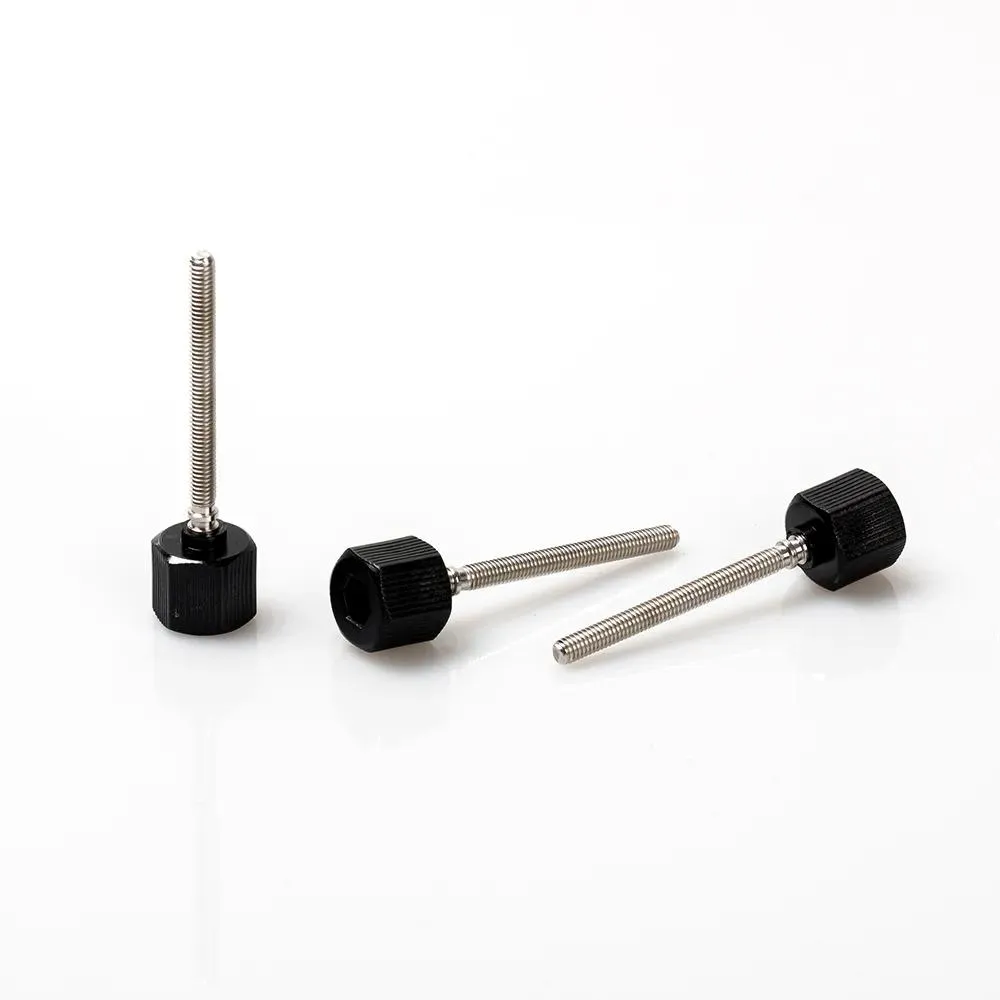
Confirm thread designation, mating feature, engagement length, clearance, and the accessible installation side.
No. The controlled drawing must show the receiving feature and engagement condition for the assembly.
Send one revision package with thread callouts, access notes, quantities, and labeled open questions.
No. It does not state voltage, current, or other electrical ratings; those require separate evidence.
Pause when thread designation, mating feature, engagement, or access is unknown.
Use the terminal-screws route with the controlled drawing and RFQ inputs.

 TNHO
TNHO 


