Electrical fasteners play a key role in both assembly and maintenance of electrical systems, including everything from appliances within homes to machines found in the industrial sector. Fasteners hold the various electrical components used in these systems together and enable them to operate safely, consistently and dependable. Knowing about the various types of electrical fasteners available as well as the materials they are made from and what they do is critical to enhance any items built with them, whether you happen to be an electrician, a manufacturer or simply very handy around the house. This article will serve as an in-depth overview of electrical fasteners by answering many common questions about them and providing some practical insights.
Devices that secure, connect, and organize electrical components are known as electrical fasteners. Electrical fasteners are designed for the specific requirements of electrical and electronic systems, unlike generic fasteners, which can also be used with non-electrical products. Electrical fasteners often have specialized properties, such as insulation and corrosion resistance, to provide safe and effective performance in applications where electrical conductivity and durability are important factors.
In many electrical applications, fasteners play an important role in the assembly and organization of wiring materials. Fasteners may include wire connectors attached to terminals, cable bundles and organization of cables, or the installation of circuit boards within cabinet enclosures. Fasteners are critical to electrical installations because they reduce potential hazards caused by loose connections and also contribute significantly to optimized electrical system performance.
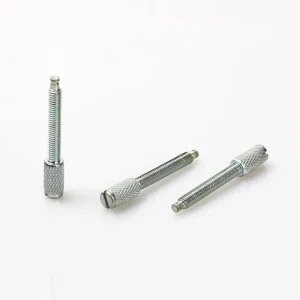
The electrical fastener landscape is large and varied and there is a type suited to a given application. Here we will discuss some frequently used types:
While bolts and nuts are typically applied in other industries, they’re often found in industrial machinery and high-voltage systems because of their ability to create reliable and long-lasting mechanical connections under severe mechanical load such as motors and generators.
Screws are versatile fasteners that are easy to install. They are commonly used for attaching lightweight electrical fixtures, wire clamps, and terminal blocks. In particular, self-tapping screws are a popular choice for light-gauge sheet metal applications.
Rivets are intended to provide permanent joints by connecting two or more parts when there will not be regular maintenance done on them.
Even though they appear straightforward, washers redistribute the weight of a fastener and help prevent damage to the electrical component underneath.
Cable Ties and Clamps are Intended for Bundled Wire and Cable Usage to Maintain Orderly Arrangement/Configuration of Wires + Cables and Minimize Wear Due To Movement or Friction on Wires & Cables
Because there are so many different types of fasteners available today, choosing the right one for your project can be complicated; weight capacity, environmental conditions and removal accessibility all impact what type of fastener will provide you with the performance you need.
The way that fastener materials are made plays a vital role in their efficiency, effectiveness and whether or not they are appropriate for any given job. There are several types of fasteners that may be manufactured using the types of materials discussed above.
One of the most widely used materials for fastener production is steel because it offers strength and long-lasting performance. Oftentimes, steel fasteners are galvanized or coated to improve their resistant to rust and corrosion.
Corrosion Resistance: Due to their ability to withstand corrosion, stainless steel fasteners can be used in outdoor settings or damp conditions like restrooms or coastal regions.
Brass fasteners provide rust resistance and high levels of electrical conductivity, making them ideal for use in various types of sensitive applications.
Having qualities of being both lightweight and non-conducting makes plastic the most ideal material to use as a fastener when insulation from electricity is your utmost concern (e.g., holding low-voltage devices).
It is crucial to select the right type of material in order to create a secure and reliable connection. Steel or stainless steel offer good mechanical strength, while other materials like brass or plastic have different electrical and environmental properties that meet these requirements.
Beyond being basic tools that hold together electrical parts, fasteners are essential to the overall safety, reliability and performance of an electrical system. Fasteners serve many important functions, including:
1. Fastening Assemblies: Fastening devices keep assembly components from shifting or vibrating by preventing loosing and allowing parts to wear out or fail altogether.
2. Supporting Safety: Fasteners help prevent short-circuits; electrical fires; and accidental shocks through maintaining secure connections.
3. Extending Life Duration: Correct fasteners keep electrical systems healthy for longer because they maintain structural integrity despite the environmental conditions (e.g., extreme temperature differences, humidity, being subjected to different types of chemicals in the environment.).
Cable ties and clamps keep wires and parts organized neatly and improve accessibility, reduce clutter, and decrease the risk of damage during regular maintenance.
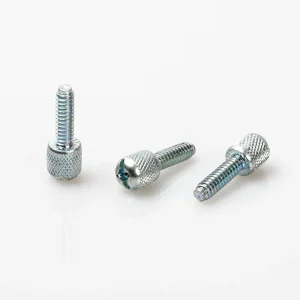
What are fasteners that are for electric devices?
Electrical fasteners are tools made for use with electric components in order to then make them safe by securely fastening or connecting them to create an operational system that operates safely.
Types of Electrical Fasteners and Examples
There are many types of electrical fasteners that include bolts, nuts, screws, rivets, washers, cable ties, and clamps. Each type of electrical fastener has a specific application based on requirements.
What are the different types of materials used to make electrical fasteners?
Electrical fasteners may be made from steel, stainless steel, brass, and plastic, with varying degrees of strength, corrosion protection, and insulating properties depending on the type of material used.
Correct assembly of electrical systems relies upon an appropriate selection of electrical fasteners. Proper assembly, safety and reliability all depend upon a thorough understanding of the types and materials of the fasteners and their uses in multiple systems. By properly selecting fasteners based on their properties for a given application, you will be able to optimize performance, maintain dependable systems without having to constantly maintain them.
Selecting an electric fastener can help minimize future service requirements, enhance safety and ultimately reduce system performance for many years to come.

 TNHO
TNHO 


