A socket head cap screw is a bolt type of fastener, which has a round (“cylindrical”) head with a hole (“socket”) in the top of its winning face that accepts play on a hexagonal key. When used for precision, strength, and reliability, they can be used to fasten multiple parts together and include plain and/or finished bolts. The hexagonal pattern of their winning surfaces allows for the use of large torques to be applied with the hexagonal wrench. After tightening or loosening the bolt with the wrench, the space required by a conventional screw is not required as at the side of the head, leaving the space free of a mechanism to accept the head of the bolt.
Socket head cap screws come in a variety of styles to suit different applications. Some of the most common types include:
Socket Button Head Cap Screws: These screws have a rounded, low-profile head, making them perfect for applications where the finished product needs to be flat or smooth in appearance (for instance, due to aesthetics or need for minimal interference).
Socket Flat Head Cap Screws: Flush Mounted Screws are ideal for being used in flat surfaces when flat surface is required on the finished product. Flush Mounted Screws are utilized for assembly, joinery and finishing of various types of furniture, automotive interiors and all other applications where a clean and continuous surface appearance is required.
Standard Socket Head Cap Screws: They are high-strength components suitable for application in areas requiring high clamping force. They are found throughout all sectors of industry, such as manufacturing and heavy machinery, where strong components must provides a significant resistance to applied load.
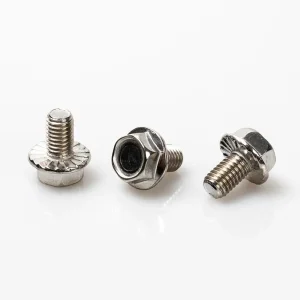
Numerous distinct benefits come with the selection of a hexagon. The significant torque transfer from the hexagon to the fastened part is one of the significant benefits of selecting a hexagon as opposed to alternative fasteners. With this feature, tool slippage when applying or removing fasteners is significantly decreased.
The other important benefit of using a single-socket head cap screw is the compact size of the product, which may save valuable space when you are unable to use an ordinary screw with a protruding head. These screws take up much less room than their larger-headed counterparts, and therefore can be used in situations requiring minimal clearance, including robotic and industrial motors, automotive engines, and most electronic devices.
When strength matters, then socket head cap screws are likely to be the better option. The way they are designed in conjunction with the use of stronger materials like stainless steel provides result in stronger tensile loads (greater than standard screws) and stronger shear stresses than other types of screws. Their high durability makes them valuable throughout different industries where fastening strength is an important factor to consider, such as the aerospace industry, the construction industry and industrial machinery. Additionally, because they are able to meet some of the most extreme conditions in which fasteners are installed they are considered to be one of the strongest types of fasteners available.
Socket head cap screws are widely used in many different applications. Here are a few common areas of application:
Along with being used functionally, socket head cap screws will be chosen for project use where the objective is much more than just functionality (such as beauty and finish).
Socket head cap screws Different applications use many different materials for manufacturing materials. Some examples of these materials are:
Stainless Steel: Corrosion Resistant (Outdoor, Marine & Moist Locations)
Alloy Steel: Sockets with caps manufactured from alloy steel are highly strong and durable when put under maximum industrial use; thus they will likely require additional coatings to protect from corroding.
This Statement is also True in Many Other Materials as Well.
Carbon Steel: An economical solution providing reasonable durability; however, may need to be protected with a coating when used in a corrosive environment.
Zinc plating or black oxide finishes, among others, can improve corrosion resistance and extend product life.
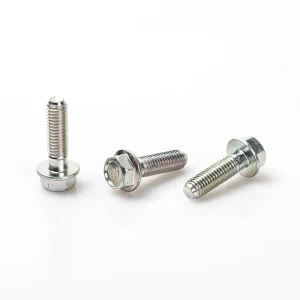
When selecting a socket head cap screw for your project, consider these factors:
2. Material: The material should be compatible with the materials being fastened together. If using galvanized screws in a different environment, the fastener may corrode and fail.
2. Choose material based on environment and stress levels of screw. Example: stainless steel for corrosive environments; alloy steel for added strength.
3. Choose Head Style: Select the Correct Head Type Based on the Type of Surface Needed (Flush Surface – ̶ Flat Head, Button Head, or Cylinder Head).
The type of thread is important when deciding how to install a bolt or screw. Fine threads are preferred for precise applications; however, coarse threads work well with soft materials or when speed is important.
A well-planned and carefully executed installation of socket head cap screws is essential. To ensure that the screw will not strip out when installing it, use the correct size hex key. When installing, it is also critical to apply the right amount of torque to ensure that the screw fits securely and does not get too tight, which could cause the screw to fail or damage the material.
When installing screws in areas where there is an expectation of vibration, it may be worthwhile to use a vibration-resistant thread-locking product or a spring washer to help hold the screws securely in place long-term. Additionally, make certain that the threads of the screw and the receiving surfaces are free of any debris and dirt prior to making a solid connection between the two.
In general, socket head cap screws are a strong fastening option used throughout many industries. They are compact, strong, and adjustable, and therefore socket head cap screws are the preferred fastening solution for all professionals, including those in the automotive, aerospace, electronics, construction, and many more fields.
By understanding the various types and applications of socket head cap screws, you can properly choose and install the right type of fastener for each of your projects.

 TNHO
TNHO 


