When discussing the subject of hardware as it relates to the construction of buildings and improvements to homes, it refers to various essential items including; tools, fixtures and fittings. Hardware is essential in ensuring the function of a space (e.g., through the use of hinges or screws) and is also important in assuring the aesthetic appeal of a space (e.g., through the use of cabinet knobs or locks). Throughout this guide you will learn about all facets of hardware, including; the different component parts, material types used, and uses of those parts as well as the latest product trends, so you can have confidence when making hardware decisions for your project.
The term”hardware components” refers to certain small-scale but important components utilized in construction, furniture making, and home improvement. Some examples of typical hardware components include:
Hinging systems serve as a means of providing support to doors, windows and cabinets by providing fluid motion from door cams.
– Fasteners and Screws: Screws, bolts, nails and anchors, are all totally necessary to securely join materials together in any project.
Locks are used to help keep things safe and secure and can be found in many different styles including very basic padlocks, to very complicated electronic locking systems.
– Knobs/handles: Functional and decorative hardware items that you use to access doors, cabinets and drawers easily; they add an extra element of design to the space, too.
– Brackets have been used to strengthen structures, hold up shelving, and support heavy items of furniture.
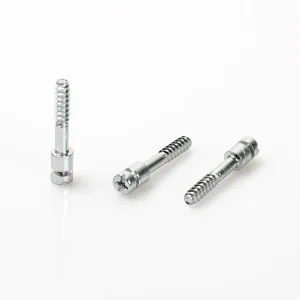
Material selection in hardware production is primarily based on its expected usage and durability needs. The following are some of the most common materials used:
Stainless steel is very durable due to its corrosion-resistant properties. For this reason, it can be found in a variety of settings, such as inside or outside of the house.
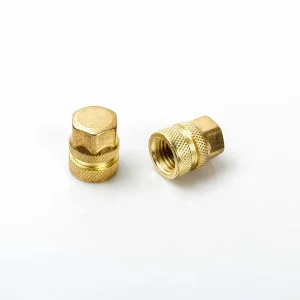
Brass is often found as decorative hardware in the form of handles or knobs. It retains its beauty through resistance to tarnishing.
– Aluminum: Aluminum is lightweight, but provides significant strength making it a common choice for brackets, hinges, and lightweight fixtures.
– Plastics are utilized in some hardware items that require an inexpensive or minimal amount of structural support (like for caps, spacers or trims).
Alloy of zinc: Usually found in the creation of durable, and low-cost type hardware products, also providing a balance between their appearance and their strength.
Hardware serves a wide variety of functions that range from purely functional to highly decorative. Some of the common uses include:
Building construction involves using hardware, such as screws and washers along with anchors, to build safe and stable buildings.
– Home Improvement: Knobs can be found on all types of furniture and cabinets, and handles and fasteners are great for improving a piece of furniture’s appearance or function.
Locks, bolts, and latches provide protection against intrusion or theft of items from homes, offices, and industrial buildings.
– Interior Decor: Visual aspects of a room can be enhanced through the use of decorative hardware parts (such as drawer pulls and ornate hinges).
Industrial applications for hardware have become increasingly important within this field due to the variety of uses for industrial or heavy-duty products, including clamps, brackets and hinges used primarily to provide support and function in an industrial or mechanical operation.
The recent emphasis in the development of hot hardware has centered on the look and functionality of hardware, including soft close hinges for cabinets, touchless smart locks to enhance security, and minimalistic-style decorative hardware. These types of innovations are taking the hardware industry to an entirely different level than it has ever seen before. As concerns about the environment continue to rise, both homeowners and contractors are becoming increasingly conscientious about maximizing use of eco-friendly materials and finishes in their hardware selections. Keeping current with these trends can help you ensure that your projects utilize the latest standards of hardware design.
Hardware is a crucial part of all the aspects of design (construction and renovation of homes) and decoration (both functional and ‘decorative’), and understanding what components and materials hardware contains and how hardware is used will enable you to make appropriate and informed decisions when selecting hardware for either your home or the building you are working on (or both). In addition, by knowing current trends, you will be able to choose a type of hardware that is a good fit for your practical needs and meets your desired ‘look’ for your home or project.

 TNHO
TNHO 


