Although they may seem insignificant, nuts play an important role in many sectors—especially within the construction and the machine industry. Hexagon shaped and usually used alongside bolts, nuts are used to fasten objects together securely in many places (i.e. home garage improvement or complex machines). Knowing how nuts work and the different kinds available can help anyone from the DIY person to the professional contractor.
The main purpose of nuts is to hold bolts and create a solid attachment between two parts. A fastener that bolts together two different kinds of material would have a nut on the back side of the bolt creating a strong connection between them. The uses of nuts and bolts are most commonly associated with buildings and construction; however, they can also be found in a variety of applications (cars, airplanes, electronics, etc.) showing just how versatile nuts and bolts can be.
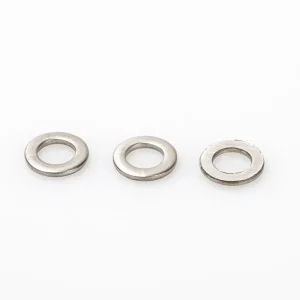
Different designs and types of nuts are available depending on their intended use. The following are several examples of nuts:
Hex Nuts: The hex shape makes the hex nut the most commonly used type of nut. They are normally used with a bolt and washer to secure a fastening tight.
Lock Nuts: Vibration or torque can cause these types of fasteners to become loosened or detached; therefore, they are essential in applications that need to maintain stability.
Wing Nuts: Wing nuts, which have extended “wings,” allow for effortless hand tightening and are therefore ideal when an adjustment needs to be made quickly or when frequent disassembly is required.
Cap Nuts: Closed top cap nuts cover the exposed end of the threads on a bolt and they provide a polished look to the overall assembly.
Square Nuts: Due to their shape, square nuts provide a stronger grip for applications in which rotation isn’t wanted.
The strength, durability, and environmental acceptability of nuts depend on the material used to create them. Materials that are typically used to produce nuts are:
Steel: Known for its strength and versatility, steel nuts are often galvanized to prevent corrosion.
Stainless Steel: Stainless steel nuts are typically ideal for the harshest of surroundings because of their superior corrosion resistance.
Aluminum: Aluminum nuts are a great choice for applications where weight reduction is critical since they are lightweight and corrosion-resistant.
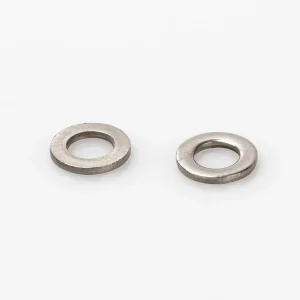
When used in conjunction with nuts, washers will help distribute the load of a threaded fastener, protect surfaces from harm, and inhibit corrosion between a nut and a surface it is securing. Using washers can increase both the effectiveness and life span of an assembly, which is why they should be taken into account when choosing fastening components.
When choosing nuts, you have to take into account not only the nuts’ materials, but the specific nut type needed for your application, as well as any relevant environmental conditions (e.g., moisture, chemicals). There are different characteristics to each type of nut that can make one nut more appropriate than another for your job. Knowing the characteristics of the various types of nut will allow you to significantly improve the safety and success of your projects.
Understanding how to utilize nuts correctly is beneficial to both professionals and DIY-ers alike. Choosing the correct type of nut saves both time and money, improves the strength and durability of all your projects, and provides a better experience overall.
To summarize, nuts play an important function in many places, so there are many varieties and materials from which to choose based on different types of uses. Learning how nuts operate and the material characteristics of each nut type will greatly improve any project you work on, whether it be for construction or do-it-yourself purposes. Additionally, you will ensure your project is performed safely and efficiently.

 TNHO
TNHO 


