Lock washers are very small parts that are often overlooked but have become essential in securing the fastening of nuts and bolts to prevent them from loosening via vibration (shock), pressure, and thermal change over time. The purpose of lock washers is to keep the fastener from loosening over a period of time, regardless of whether you are in the manufacturing or DIY business. It is critical to understand how lock washers work as they are fundamental for building strong structures and avoiding expensive repair costs. This article discusses the uses, advantages of lock washers, and how they are used, why lock washers are an essential component in numerous industries.
Lock washers Mechanical fastening parts that are positioned between the head of a screw or bolt and the item being fastened. The design of these parts holds the screw or bolt under tension, thereby preventing the fastener from loosening through friction and/or grip against the fastener. There are many different shapes and types available depending on their intended use. The most common types of fastener components include:
– Split Lock Washers: Split lock washers have a gap in their face and are slightly bent. They provide spring force when compressed, which allows the fastener to be held securely in place by the spring tension created when compressed between two surfaces.
– Toothed Lock Washers: Toothed lock washers have teeth that can be used to create an interlocking connection between two objects.
– Wave Washers: Wave washers are wave-shaped washers that provide controlled spring-like tension and support when compressed.
There are so many different types of washers, and then each one has been designed to meet a specific purpose and application, so there are a variety of uses for them to maintain structural integrity and safety within a given system.
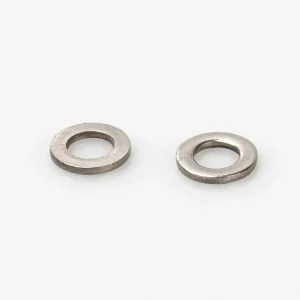
Lock washers are used to ensure nuts and bolts stay securely fastened over time. If they become loose over time, the structure they are holding together can lose its structural integrity and possibly cause problems or catastrophe. Lock washers use friction or tension to apply an extra force to the fastener(s) they are with. This will help resist the effects of vibrations, turning motion or other forces acting on the fastener(s) during use.
Lock washers are essential in high-vibration applications. Continuous vibration in a vehicle’s engine mount or suspension can cause nuts and bolts to come loose, which could be very dangerous. Lock washers help keep these fasteners securely tightened and provide extra protection. Lock washers are also useful in applications that experience high temperatures because thermal expansion may cause fasteners to come loose.
Lock washers The wide range of industries and projects that can utilize these lock (tension) washers includes their ability to provide strength against loosening of fasteners under a variety of stresses. Major applications include:
Lock Washers in Automotive manufacturing: Lock washers are commonly found in automobile production, particularly in engine parts and suspension and braking systems where there are continual movements and vibrations.
Lock Washers in Industrial Machinery: Machines are subjected to regular wear due to pressurized loads, excessive heat, and vibration; therefore, lock washers are a necessity for retaining long-term machine performance.
Lock Washers in Construction: Bridges, high-rise buildings, and roadways all use lock washers for producing the uniform support necessary for reliable connections during periods of environmental stress.
Lock Washers in Electronics: Circuit boards and oscillating machines use lock washers as their principal means of securing connections between components and preventing loose parts or short circuits.
Lock washers are essential components in mechanical systems that provide reliability whether being used across a broad range of different types of applications from small-scale home projects to large and complex industrial applications.
Using lock washers in your fastening solutions provides you with many benefits, which may far outnumber their low cost. Some of the main benefits include:
– Increased Vibration Resistance: Used to increase the reliability of components against loosening due to vibration or movement, lock washers help ensure components remain secure across all applications, including the most demanding environments.
– Simple To Install: Lock washers are usually installed easily with only standard hand tools and save time during assembly both on production lines and when performing personal projects.
– Cost Effective: By reducing structural failure, lock washers save time and money on repair and maintenance, making them an efficient and effective solution.
– Versatile Designs: Lock washers come in many different shapes, sizes, materials and designs, providing a solution for virtually every type of project. For example, corrosion-resistant washers may be used for outdoor applications, while high-strength washers may be used for heavy-duty industrial applications – whatever the need, lock washers provide an option.
Lock washers have many benefits that make them attractive options for both engineers and manufacturers who want affordable and durable fasteners, and for regular users looking for dependable hardware.
For optimal performance in any project, choosing the correct lock washer is critical. There are several points to consider when choosing your lock washers include:
1. Determine the load the washer will bear, in order to make sure it can handle the load.
2. Choose the material of the washer to be compatible with the fastener and surface being attached to. As an example: stainless steel washers are able to resist rust and will work well for exterior applications.
3. Consider the environment where the fastener will be located; for example, if the fastener will be exposed to water, extreme temperatures or vibration. Select a washer that has the ability to perform in those conditions without degrading over time.
Consulting an engineer for guidance in selecting an appropriate lock washer is essential if there are uncertainties regarding which type of lock washer would be most effective for your particular project. Choosing the proper size and style of lock washers is crucial in ensuring that your assembly is secure, durable, and able to hold together over time.
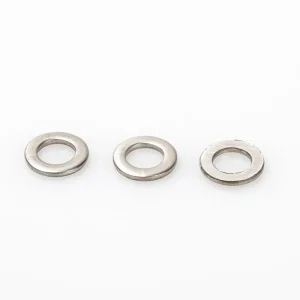
What are the uses of lock washers?
Lock washers work well at keeping fasteners from loosening, with applications ranging from automotive to industrial machinery, construction and electronics. Anytime you need to make a secure connection, especially in high vibration or high stress environments, lock washers can be utilized.
What are the advantages of lock washers?
In summary, lock washers help to reduce vibration, provide ease of installation, are inexpensive, and offer choices for various types of projects, which makes them very useful as part of any mechanical system.
What is the purpose of lock washers?
Lock washers keep tension on nuts and bolts under vibration, motion and thermal expansion. They help to ensure the stability and operation of mechanical assemblies.
In summary, this efficient little lock washer has a huge impact in providing safe and effective mechanical systems. Lock Washer design provides additional resistance to being turned loose from the fastener by countering forces attempting to loosen a fastener and enhancing the stability of bolted assemblies. Lock Washers are used extensively throughout various industries, including the automotive and construction sectors. Incorporating lock washers during assembly will add to the life of your product, as well as help create and maintain a stronger foundation for your design -whether you’re a homeowner executing a DIY project or leading an engineering crew working at a manufacturer.

 TNHO
TNHO 


