Sealing-Wire Routing: Double-Hole vs Four-Hole Meter-Screw Pattern Review is handled as a controlled-document review: establish the actual interface, expose open questions, and give every supplier the same evidence.

A sealing-wire routing review starts with the hole pattern shown on the controlled meter-screw drawing, not with a catalog label. State whether the drawing shows a double-hole or four-hole head feature, which side remains accessible after cover fit, and who owns technical approval. Keep confirmed callouts separate from open questions so procurement does not treat a familiar name as proof that two patterns route the same way.
Record the assembly, revision, and intended inspection point before comparing alternatives. If only a photograph or prior sample is available, mark the missing hole-pattern callout as unresolved rather than assuming interchangeability.
Treat double-hole and four-hole patterns as different sealing-wire interfaces until the drawing owner confirms they serve the same route. Review the head envelope, hole alignment relative to the wire path, tool clearance, and the sequence used to install and inspect the seal feature.
| Review input | Question to record |
|---|---|
| Hole pattern | Does the drawing show a double-hole or four-hole feature? |
| Wire route | Which path must remain clear for sealing wire? |
| Access side | From which side can installation and inspection occur? |
| Nearby clearance | Which cover or terminal feature limits the route? |
| Acceptance owner | Who decides whether a sample matches the pattern? |
Do not convert an unanswered row into a performance or security claim. Leave it open until evidence is attached.
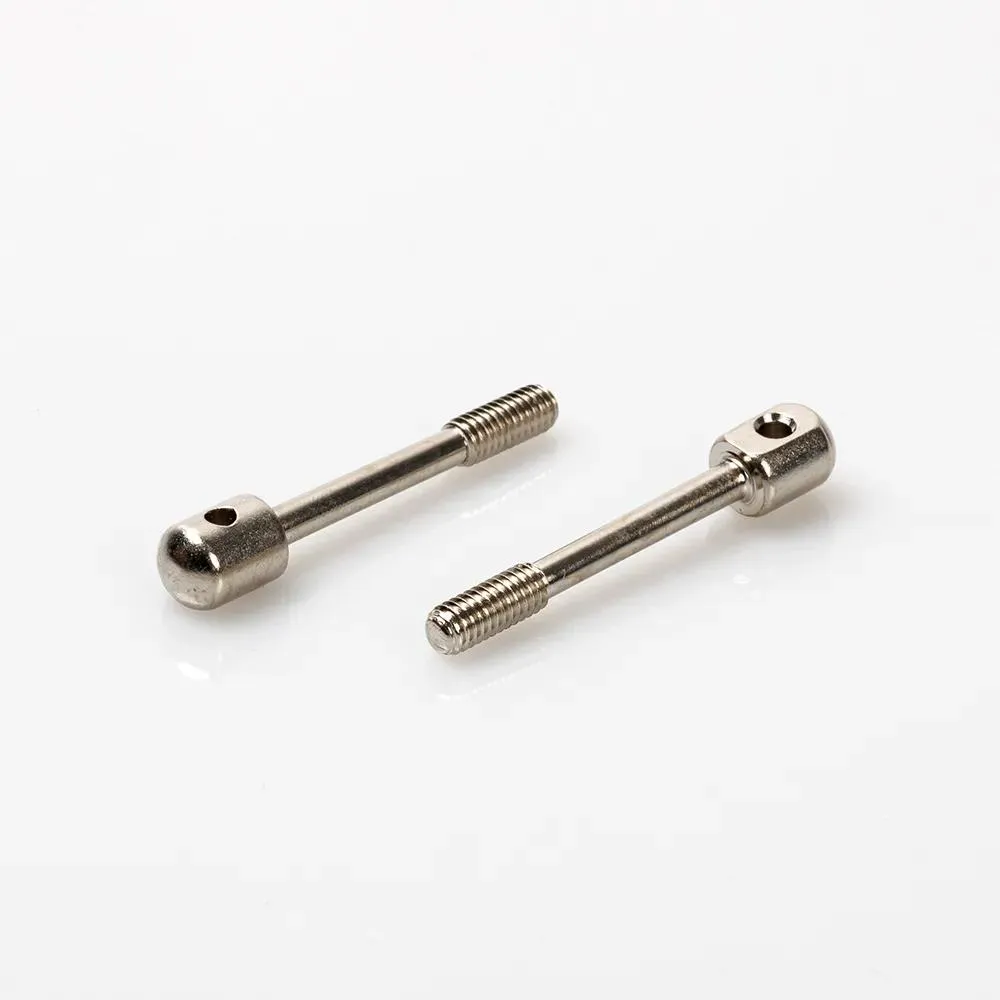
A sample can show how a hole pattern looks in hand, but it cannot invent a missing drawing callout. Photograph the head feature, mark observed holes against the revision, and note anything that cannot be verified without the mating cover. If a sample from a four-hole route is offered for a double-hole drawing, record that mismatch before any quotation comparison.
Keep the observation with the revision identifier. A prior seal-screw purchase description is not a shortcut when the hole pattern or cover geometry has changed.
Give every supplier the same package: current drawing or allowed extract, hole-pattern callout, access notes, quantity breaks, delivery destination, and a technical contact. If double-hole versus four-hole remains undecided, label that decision as open instead of inviting each quote to assume a different pattern.
Separate requested configuration from supplier-proposed alternatives. Attach responses to the question that prompted them so price comparisons stay tied to the same routing condition.
This review does not prove sealing integrity, tamper resistance, torque capacity, corrosion behavior, electrical behavior, certification, or lifecycle for any assembly. Those outcomes need product-specific evidence and the validation method chosen by the system owner.
Pause when the hole pattern, accessible route, revision, or acceptance owner is unknown. A narrow comparison with explicit open items is more useful than a generic seal-screw description that hides the routing difference.
Once the pattern comparison inputs are ready, start with the verified four-hole lead seal product route and the electric meter screws aggregation page. These destinations confirm related product navigation; they do not establish an unlisted dimension, material, rating, or performance property.
No dedicated double-hole product SKU was verified in REST, so do not invent one. Keep double-hole discussion on the drawing and aggregation context.
When the package is ready, send TNHO the drawing and RFQ inputs. For related reading, see Double hole meter screws: Types, uses & advantages and Electrical Fasteners: Some Basic Information.
Before release, write a short decision record that names the revision, the selected hole pattern, unresolved routing questions, and the approval owner. If the team keeps both patterns under review, list the evidence still required for each rather than merging them under one seal-screw label.
After replies arrive, preserve the original request beside each response. Note whether a supplier quoted the requested pattern, asked for missing callouts, or proposed another head feature.
Route technical alternatives to the assembly owner. This keeps sourcing auditable without implying that the checklist validates sealing performance.
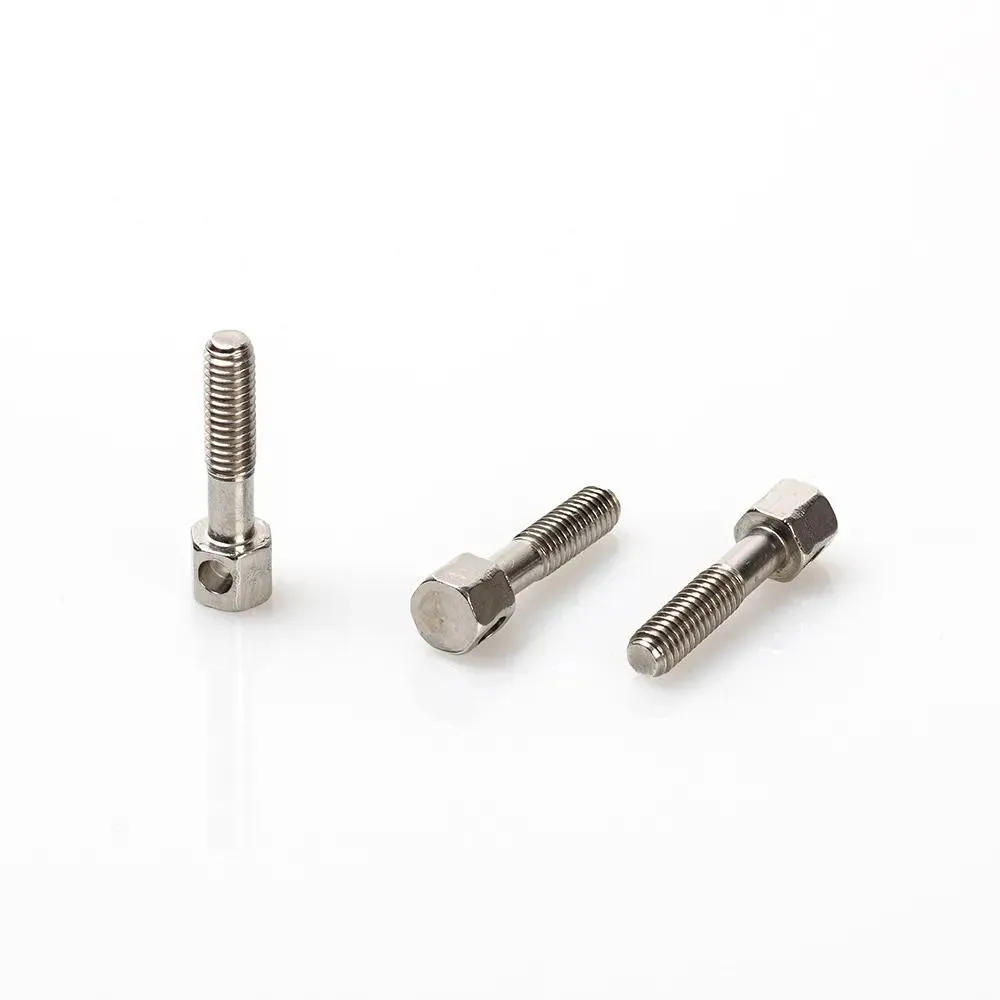
Compare the controlled drawing hole pattern, accessible routing side, and inspection point before naming a product family.
No. Treat each pattern as a different routing interface until the drawing owner confirms equivalence.
No. A photo can locate the discussion, but it does not define hole count, wire path, or acceptance.
Include the current revision, hole-pattern callout, access notes, quantity breaks, and an open-question list.
No. Performance needs product-specific evidence and the assembly owner’s validation plan.
Use the verified four-hole product route and the electric-meter-screws aggregation page with controlled inputs.

 TNHO
TNHO 


