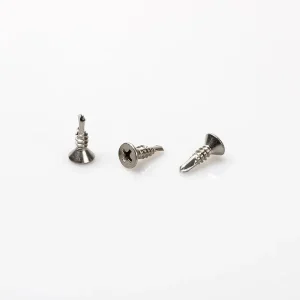
A self-drilling screw, also known as a Tek screw, is a specialized type of fastener designed to simplify installations by integrating a drill point and screw into one piece. Unlike conventional screws, which typically require a pre-drilled pilot hole, these screws have a pointed, cutting tip that allows them to drill their own hole as they’re driven into metal, wood, or plastic materials. This makes them an essential tool for projects requiring precision and efficiency, commonly used across a variety of industries, such as construction, automotive, and manufacturing.
Using self-drilling screws can save a considerable amount of time and effort during projects, making them particularly popular among professionals, contractors, and do-it-yourself enthusiasts.
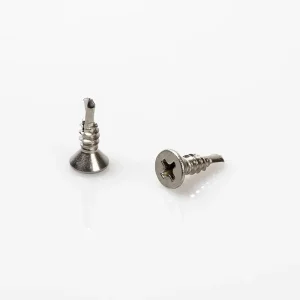
What sets self-drilling screws apart from standard screws is their unique tip. This tip acts as a miniature drill bit, complete with sharp cutting edges, allowing it to pierce through hard materials without requiring a pilot hole. Once the drilling phase is complete, the screw’s threads engage with the material, securing it firmly. This combination of drilling and fastening into one step is what makes self-drilling screws so efficient for various applications.
However, to use self-drilling screws effectively, it is crucial to match the screw specifications with the material you’re working on. For instance, using an incompatible type of self-drilling screw may lead to issues such as stripped threads or reduced holding power.
The convenience and reliability of self-drilling screws come with a wide array of advantages, making them indispensable for various industries and DIY projects:
1. Simplified Installation Process: Because these screws eliminate the need for pre-drilling, they save significant time during installation. This streamlined process is particularly advantageous for projects where a large number of screws are required.
2. Secure and Sturdy Fastening: Self-drilling screws provide strong, stable connections, especially in materials such as metal, where precision is crucial. Once installed, these screws minimize the risk of loosening over time.
3. Versatility for Different Materials: These screws can be used to attach a broad range of materials, such as sheet metal, wood, and plastic. Their adaptability makes them suitable for numerous industrial and household applications.
4. Cost-Effective Solution: Despite their marginally higher upfront cost compared to regular screws, their time-saving nature and reduced labor requirements often result in significant cost savings over the course of a project.
5. Variety in Designs: Self-drilling screws come in a multitude of designs, sizes, and materials. This allows users to select the appropriate fastener for the specific demands of their projects, ensuring optimal performance and durability.
The durability and performance of a self-drilling screw depend significantly on the materials used to manufacture it. The most common materials include:
1. Carbon Steel: This material is popular due to its strength and affordability. Often, carbon steel self-drilling screws are coated with corrosion-resistant finishes, such as zinc plating, to enhance their lifespan in harsh environments.
2. Stainless Steel: Known for its excellent resistance to rust and corrosion, stainless steel is ideal for outdoor or moisture-prone environments. It’s frequently used in industries such as roofing, siding, and marine construction.
3. Alloy Steel: Screws made from this material offer enhanced strength and durability, often used for heavy-duty applications where additional load resistance is required.
In addition, self-drilling screws are available with various coatings like ceramic, polymer, or galvanization to further protect against rust, wear, and environmental damage.
Self-drilling screws are generally classified based on their thread design and application-specific features. Understanding the different types can help you select the right one for your needs:
1. Fine Thread Self-Drilling Screws: These are designed for applications involving thin materials, such as sheet metal. The fine threads allow for precise and snug fastening.
2. Coarse Thread Self-Drilling Screws: Coarse threads are better suited for thicker materials like structural steel, wood, or composite materials. They provide a tighter grip and greater holding power in demanding applications.
3. Winged Self-Drilling Screws: Equipped with small wings near the tip, these are used to fasten softer materials like wood to metal. The wings help ensure that the hole size in the wood aligns correctly with the shaft of the screw.
Thanks to their versatility, self-drilling screws are used in a wide range of industrial, commercial, and residential applications. Here are some of the most common uses:
– Metal Roofing and Siding: Ideal for securely fastening metal sheets to framing materials in roofing and siding projects.
– HVAC Systems: Often used in the installation and maintenance of ductwork due to their ability to drill through thin sheet metal.
– Automobile Assembly: Essential for attaching components in the automotive industry, where precision and durability are paramount.
– Furniture and Cabinetry: Frequently employed in assembling wood or composite materials for a tight, seamless finish. Winged self-drilling screws, in particular, are popular for this purpose.
– Electrical Work: Used to mount electrical panels and attach wire management systems to metal frameworks.
– Deck Building and Construction: Widely used for securing decking materials, metal framing, or any structure requiring a robust and durable connection.
1. What is the difference between self-drilling screws and normal screws?
The main difference between self-drilling screws and regular screws is that the former have a drill-like tip that allows them to create their own hole as they are driven into the material. This eliminates the need to pre-drill holes, saving time and labor. Regular screws, on the other hand, require a separate pilot hole for installation.
2. What are the advantages and disadvantages of self-drilling screws?
Advantages: These screws save time and labor by combining drilling and fastening into one step, provide secure grip and versatility, and are suitable for a wide range of materials and applications.
Disadvantages: Self-drilling screws may be initially more expensive than traditional screws. Additionally, improper usage or incorrect selection for certain materials can lead to issues like stripped threads or material damage.
3. What are the common uses of self-drilling screws?
Self-drilling screws are commonly used in construction, metal roofing, HVAC work, automobile assembly, and general DIY projects. They’re ideal for areas requiring precision and efficiency in drilling and fastening.
In summary, self-drilling screws are a valuable and versatile tool for anyone working with materials such as metal, wood, or plastic. Their ability to drill and fasten in one step drastically cuts down on labor time while ensuring durability and strength in all types of applications. Whether for a large-scale construction project or a simple DIY task, the reliability of self-drilling screws makes them a go-to solution for professionals and hobbyists alike.

 TNHO
TNHO 


