Self-tapping screws are commonly used fasteners in construction and manufacturing due to their unique capability of creating their own threads as they penetrate materials. This characteristic makes them an ideal choice for a variety of projects, enabling faster and more efficient assembly and installation.
Self-tapping screws come in different types based on project requirements. The primary types include:
1. Thread-Cutting Screws: These screws remove material as they create threads, making them particularly effective for softer materials such as plastics and thin metal.
2. Thread-Forming Screws: Also referred to as self-piercing screws, these form threads in the material without removing it, making them suitable for harder materials.
By selecting the right type of self-tapping screw for your project, you can ensure proper fitting and optimal performance.
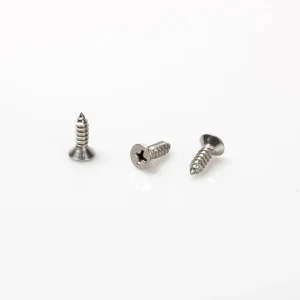
The material of self-tapping screws plays an important role in determining their durability and performance. Common materials include:
– Steel: Known for its strength and durability, often available with coatings to prevent corrosion.
– Stainless Steel: Great for outdoor or marine settings due to enhanced rust and corrosion resistance.
– Plastic: Suitable for light-duty applications where metal is unnecessary or corrosion is a concern.
Choosing the appropriate material helps ensure that the screws meet your project’s requirements and deliver the necessary performance.
Self-tapping screws work by cutting or forming their own threads as they are driven into the material. This eliminates the need for pre-drilled holes and simplifies the fastening process.
To correctly install self-tapping screws:
1. Position the screw in the desired location and press its head firmly to hold it in place.
2. Use a suitable power drill or screwdriver to drive the screw into the material, ensuring proper alignment and pressure.
3. Tighten the screw until the head sits flush against the surface without over-tightening.
Following these steps ensures accurate and secure installation.
The weight limit of self-tapping screws depends on their size, type, and the material being fastened. Always refer to the manufacturer’s specifications to determine the maximum load capacity.
Unlike regular screws, self-tapping screws have a pointed tip that allows them to create their own threads in the material. Regular screws typically require a pre-drilled hole and are driven using Phillips or flathead screwdrivers, whereas self-tapping screws often feature hexagonal heads suitable for motorized power tools.
To remove a self-tapping screw:
1. Select a compatible driver or drill bit that fits the screw head.
2. Rotate the screw counterclockwise using the tool until it is fully removed.
The benefits of using self-tapping screws include:
– Easy and quick installation without requiring pre-drilled holes.
– High holding strength suitable for multiple applications.
– Availability in a range of materials and finishes to suit project needs.
Self-tapping screws also come with drawbacks:
– Over-tightening can strip threads, particularly in softer materials like plastic.
– Improper installation may result in misalignment, potentially affecting the structural integrity of the assembly.
Understanding their limitations is key to using self-tapping screws effectively.
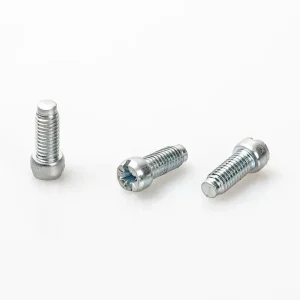
They can sometimes be reused but may lose holding strength, particularly if their threads were damaged during removal.
Yes, they can be used for wood, especially thread-forming screws, as they create robust threads in softer wood materials.
Generally, no pre-drilling is needed, but pre-drilling might be necessary for very soft or dense materials to ensure precise placement.
The size depends on the thickness and type of material. Referring to a size chart or consulting an expert can help determine the appropriate size.
Yes, self-tapping screws cut threads into the material, while self-drilling screws also drill a pilot hole as they are driven in.
In many cases, they provide equal or superior holding strength, particularly in applications where the material benefits from the threading created by these screws.
In conclusion, self-tapping screws are uniquely equipped for a wide range of applications due to their ability to create their own threads during installation. Understanding their types, materials, and specific uses can help you select the best options for your project. Employing the correct screws ensures both the durability and success of your assembly.

 TNHO
TNHO 


