In woodworking and building, wood screws are one of the most important types of tool used to fasten wood together. They are made with a sharp point on one end and specially designed to hold onto wood securely. They can be used for both indoor and outdoor projects because of their ability to grip the surface of the wood. Due to this design, they provide long-lasting support for structures built from wood, including furniture and decks. If you are new to using woodworking tools, or would like to understand more about wood screws, keep reading to learn about the different types of wood screws and how they are used, as well as the pros and cons associated with using them.
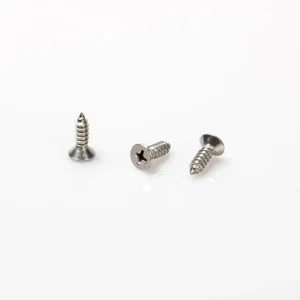
Selecting the proper kind of wood screw will greatly affect the success of your project. Here is a list of the most widely used types of wood screws, along with their respective characteristics & a brief description of how the screw is used.
Flat Head Screws
Flat head screws are the most common type used in woodworking applications. They have a flat head and are designed to be completely recessed or sunk flush with the base material when assembled. This feature makes flat head screws suitable for applications that require a flush appearance, such as in flooring or cabinet construction.
Round Head Screws
Hardware installations or decorative applications will often use the round-headed screw. The round-headed screw has a domed-shaped head and is often visible. Because of its domed shape, it creates an impression of more detail.
Pan Head Screws
A wider flat bearing surface combined with a slight dome-shaped top, these screws can provide greater support and work well for applications where splitting would occur in fine or delicate veneer applications.
Countersunk Screws
Countersunk screws are characterized by their slender, tapered head and allow insertion into wood a distance greater than the screw’s head height, allowing to be flush or almost below the wood surface. Countersunk screws are usually used where a polished finish is desired and screw heads should not be visible following installation.
Wood Screws for Outdoor Use
Outdoor woodworking projects, including building decks and fences, often need corrosion-resistant screws to complete the project correctly. Deck screws are often used in this situation because they are typically finished with weather-resistant materials (great for not rusting) and will increase the life of your project.
Wood screws are an extremely versatile fastener that can be used for many types of woodworking and construction. Here are some examples of wood screw applications that are common in the industry.
Furniture Assembly: Wood screws are a great option for building various types of furniture such as tables, chairs, or cabinets, as they provide a secure, durable connection. They are excellent joints to use when requiring joints with a high tensile force.
Timber Frames: Wooden screws are often employed in making door frames, window frames, and structural elements. The fact that they are made of wood allows them to fit securely into the wooden frame of many types of wooden construction projects, thus making them an extremely important fastening device in these important applications.
When hanging and attaching your cabinet hardware, these screws are usually used in combination with other types of cabinet hardware, such as hinges or bracket systems, to provide a robust anchoring solution to wooden surfaces.
Decks, wooden fences, garden structures and gazebos are examples of outdoor projects where screws will provide a weather resistant and durable construction. Typically, rust-proof coatings or stainless steel screws will be used in outdoor projects to prevent them from rusting when exposed to moisture.
DIY Home Improvements: Wood screws are among the most common tools in any DIYers tool set when they work with wood when most wood projects include hanging shelves or creating small storage solutions!
There are many advantages to wood screws but there are also disadvantages that should be taken into consideration when deciding between the two. Having a complete understanding of both will allow you to make a more informed decision.
Advantages:
1.Stronger Connection: The holding power of wood screws is greater than that of nails because the threads of the screw provide a tighter fit and more substantial connection.
2.Easy to Remove / Reuse: Wood screws can easily be removed by unscrewing them, allowing them to be reused on different jobs. In many cases when removing a nail from wood, the nail is bent or damaged, making it unusable on other work sites.
3.Multiple Options: Because wood screws come in a different length, diameter, material and style of head, you can always find the right wood screw for your task. The versatility of wood screws allows you to use them for small, detailed projects as well as larger, more extensive projects.
4.Less Chance Of Wood Splitting: The design of modern wood screws is usually designed with a self-tapping tip, which decreases the chance of splitting wood when installing the screw.
Disadvantages:
1.Installation Time: Screws usually need pre-drilled holes or pilot holes so as not to ruin the wood when screws are inserted, thus taking longer to put together. There are some screws that are self-drilling but they are typically at a higher cost than regular screws.
2. Cost Factors: Wood screws are usually more costly than nails, even though they are both strong and work equally well. This could be a concern for larger projects where a large volume of screws will be used.
3. Specialized Tools Required: Some screws require certain tools, such as countersink bits or power drills, when using them for installation which would be an additional expense for someone just starting out in woodworking.
When it comes to choosing wood screws for a project, there are a few key factors that will help you determine which screws will work best for your needs. Here are a few quick options to consider:
– Size of the screw is determined by thickness of the wood. Shorter screws are better for thinner wood as they will avoid splitting while longer screws will provide maximum grip strength with thicker wood.
– Outdoor Coatings: If the project includes outdoor wooden furniture, fences or decks, use corrosive-resistant screws or stainless-steel screws.
– Determine the appropriate head shape for installation; for flush mounting use a flat head assembly or use a round or pan head for decorative purposes.
Pre-drilling pilot holes may help prevent splitting when installing softwood or other thin wood materials being used in construction.
Q: What kinds of wood screws are there?
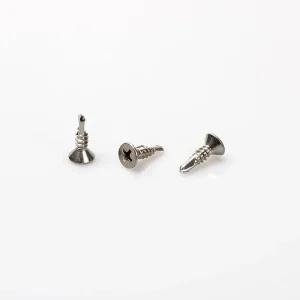
There are many different kinds of screws, such as: Flat Head Screws, Round Head Screws, Pan Head Screws, Countersunk Screws & Deck Screws. The various styles provide multiple applications and benefits; therefore it is essential to choose a screw style that meets your individual needs.
Q: What are the uses of wood screws?
A: Wood screws may be used to assemble furniture, create wooden frames, attach hardware, build various outdoor projects (such as decking and fencing), and perform home improvement projects.
Q: What are the advantages and disadvantages of wood screws?
Pros: strong joining ability and ease of removal; versatile; less likelihood of splitting wood. Cons: increased time to install; cost is higher than that of finish nails; some applications require special tools to use.
For anyone who builds things out of wood, be it for business or pleasure, wood screws are an important tool. Wood screws have many uses and can be used for many different things, including making furniture as well as building large structures. The best way to select the correct wood screw is to learn about all the different kinds of wood screws, how they can be used, the positive and negative aspects of wood screws. Then you can also learn how to use them properly. When you choose the right wood screw and learn how to use it correctly, you can depend on your wood screws to last for a long period of time in any project you build with wood.

 TNHO
TNHO 


