Industrial fasteners serve an important purpose in attaching and securing industrial components together for manufacturing and construction within the industrial sector. They come in a large variety of shapes, sizes, and types for use within the diverse range of industries where they are used. For anyone interested in expanding their knowledge on industrial fasteners or making informed purchasing decisions, it is important to understand the various types of industrial fastening devices that are available; the different types of materials used to manufacture these products; and how a particular product can be utilized within their respective industries.
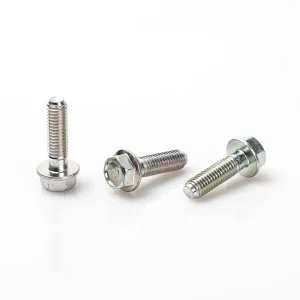
Various types of Industrial fasteners are available that are used for specific purposes. The following is a list of the most popular types of Industrial fasteners.
Bolts are fasteners used to join two or more objects together securely. They require a nut to hold them in place on the opposite side.
Screws are similar to bolts, however, screws do not usually require a separate nut. Screws can be purchased in a number of head styles and thread types.
Hexagonal or round-shaped fasteners called nuts form secure fastenings when used in conjunction with bolts.
Washers are commonly utilized along with bolts and nuts to assist in distributing weight and providing a flat/smooth surface for bolting on.
Rivets are used to join materials through deformation and are specifically designed for permanent connections. They can be found in numerous applications where a permanent connection is required.
Heavy duty fasteners called anchors are used to attach and fasten materials such as furniture, shelving, and heavy objects to concrete or masonry surfaces.
The performance and suitability of industrial fasteners will mostly depend on the materials used in their manufacture, with the most common of these materials being:
Steel is the primary material used in manufacturing industrial fasteners because it has good strength and durability and can be manufactured in a variety of grades, with several of them having different levels of resistance to corrosion and/or stress.
Aluminum fasteners are frequently chosen for uses where weight plays a key role since they are lighter than steel and more resistant to corrosion.
Brass has good corrosion resistance and therefore is frequently used in fasteners exposed to extreme conditions.
Plastic fasteners are commonly found in pieces of equipment or machinery due to their low weight, resistance to corrosion, and ability to provide electrical insulation.
There are numerous places industrial fasteners can be used at, they are used in many industries. Some of them are:
Fasteners are extremely important for maintaining the structural integrity of bridges, buildings, and many other types of infrastructure.
Fasteners are essential materials necessary for the assembly of automotive components, including engines, chassis and interiors, in the manufacturing process.
The aerospace industry requires accurate fasteners to guarantee performance and safety for applications.
Manufacturers use a number of fastening devices to assemble and operate their industrial machinery and devices.
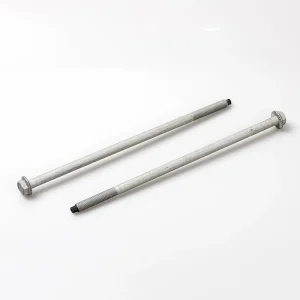
Fasteners come in multiple forms with examples including bolts, screws, nuts and washers, rivets, and anchors which all serve different purposes.
Industrial fasteners come in a variety of materials. For instance, industrial fasteners may be made from steel, aluminum, brass and other metals or plastics, but the material chosen will depend on the needs of the application.
Industrial fasteners have many applications across several industries such as construction, automotive, aerospace, and manufacturing. They play an important role in providing assembly and structural support to products.
Overall, industrial fastening devices play a key role in maintaining strength and dependability for many different products and structures. Understanding fastener types, materials, and applications will allow you to identify what will work best for your project or purchase, improving the effectiveness and efficiency of your design projects.

 TNHO
TNHO 


