It’s impossible to exaggerate how important the fasteners of a transformer are when ensuring that it is manufactured and operates correctly. Even though they are small parts, they are critical to protecting the transformer’s integrity and performance; thus, these fasteners will be thoroughly examined, including the different styles of transformer fasteners, materials used for the fasteners and how they function within transformer assemblies.
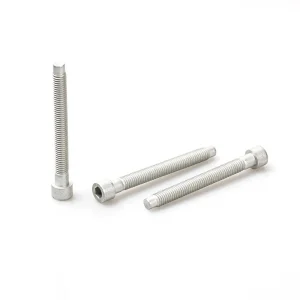
Fasteners transformers use a variety of types, depending on how they will be used; the most common types include:
BOLTS: Used Mainly In Larger Size Transformers Where Connection Strength And Reliability Are Critical, Bolts Have Very Good Tension And Are Multi-application Fasteners.
Nuts are used to tighten fasteners or bolts together to hold parts in place and keep them from working loose (getting loose from one another). They are very important for keeping a transformer structurally sound.
The screw usually holds down small transformer components and can be easily adjusted; it also secures the cover plate and any other components, and helps to hold down the cover plate and other components securely.
Washers are a type of hardware that helps provide an even distribution of force to help keep fasteners from damaging transformers. They can also help reduce the likelihood of corrosion and prevent damage from improper clamping since they create a small area for the bolt or nut to sit against.
Selecting the appropriate materials for transformer fasteners is crucial due to factors such as the stresses and environment they have to experience in normal operation. Fasteners are typically made from:
Steel: The most frequently used type of fastener is steel. Fasteners made from steel are strong and readily available. A galvanized finish on steel will add corrosion resistance and is recommended for outdoor transformers.
Due to their exceptional resistance to corrosion, stainless steel fasteners are a good choice for challenging applications. The use of quality stainless steel will help ensure fastener longevity and reliability.
Lightweight yet corrosion resistant, aluminum bolts and screws are frequently employed in applications requiring an overall reduction of weight, though they do not have the same capacity for load-bearing applications as steel fasteners would have.
Low-impact use of plastic fasteners is that of insulation, preventing an electrical short.
Transformer fasteners serve several critical functions:
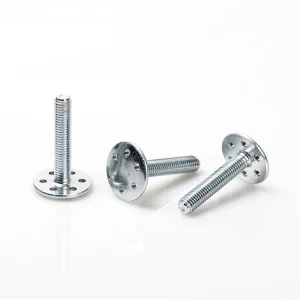
What are Transformer fasteners?
Transformer fasteners are parts used to secure and hold together various components in a transformer assembly, allowing the transformer to operate correctly and safely.
What materials are used in Transformer fasteners?
Materials often referred to as steel, stainless steel and aluminium may be selected based on their intended application and specific environmental factors. Plastic is another material commonly used as well.
What are the functions of Transformer fasteners?
The main functions of these devices are to secure components, resist vibration and provide electrical insulation where required.
To conclude, it’s very important for everyone who designs or maintains Transformers to know about the many different types, materials, and function of Transformer Fasteners. While these fasteners are typically small; they play an enormous role in how well the transformer performs and how reliable it is over time. By choosing the correct type of fastener for a particular application, you will help ensure the longevity and efficiency of your transformer system, allowing it to function at its optimal efficiency for many years.

 TNHO
TNHO 


