When you look for specific fastening solutions, Single Hole Sealing Screws are one of the most important fasteners in many different types of industries (such as automotive engineering, piping systems, industrial machinery, etc.) that require seals against liquids, gases, and other contaminants. Not only do they do the standard role of a fastener, but they also create a watertight/airtight seal to provide outstanding protection when used in critical environments. What are Single Hole Sealing Screws? We will look into the different types of Single Hole Sealing Screws, their materials, how they work, and other pertinent information to show how valuable these fasteners can be and where you could use them.
Single hole sealing screws Innovative Fasteners create a secure fastening structure with a sealing device that has been designed specifically so that it will create a barrier to prevent any liquid, gas or leak of any other contamination from the fastener. The seal can usually be created by an integrated sealing element like O-ring type seal rubber washer or bonded washer; when the screw is tightened this compresses the seal which fills any voids left over between the screw and the surface that it has been installed to; and when the seal has compressed the void that the screw creates there will be no means for any outside source to enter into the connection (between the screw and the surface).
These screws have high versatility, and are utilized in many industries where there is a need for a leak-free seal. Common examples of their use include: fluid applications, electronic equipment enclosures, fuel systems, construction, and HVAC. They serve as both a fastener and also help prevent leakage, making them a vital element of systems where reliability and long-lasting performance are further required.
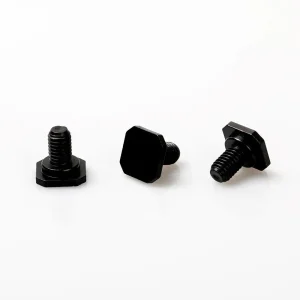
The different categories of single hole seal screw types provide the information you need to make the right choice.
Here are the major categories of single hole seal screws:
1. Self-Sealing Screws: Self-tapping sealing screws can produce their own thread when installed, so there is no need for a pre-drilled hole. Their fast performance makes them ideal for applications where efficiency and speed are essential, such as in production or quick repairs. Self-tapping sealing screws work very well with thin metals, plastic, and composite materials.
2. Threaded Sealing Screws: A threaded sealing screw utilizes a specific type of threads which are engineered to fit the hole of the component or material in which it is being installed. Generally these screws are placed in a pre-drilled hole at the location of the component, and they are commonly used in industrial applications that require precise alignment of the screw’s threads with the component’s threads for the screw’s fastening and sealing functions.
3. Bonded Sealing Washers: These screws have their washer bonded to a sealing material (usually rubber or silicone). The installation of these screws compresses the washer and creates a seal when they are installed. These screws are used for highly pressurized applications and where waterproofing is required.
The material selection for your single hole sealing screws is based on the intended purpose of the application as well as the user’s preferences, such as resistance to corrosion, strength, and in case there is a need to withstand extreme conditions. Below are some of the more commonly used materials:
1. The durability and corrosion resistant properties of stainless steel make it one of the most chosen materials for sealing screws required in external or humid conditions. Furthermore, stainless steel is commonly used in the marine, automotive, as well as construction industries due to its toughness and durability.
2. Carbon Steels: Carbon steel bolt screws are strong, durable, inexpensive, and capable of multiple uses in most application areas. Most bolt heads are coated (usually with zinc or other metal platings) to increase durability against rust and corrosion. However, they may not be as resistant to wet conditions as stainless bolt screws.
3. Plastic: Since sealing screws made of plastic are lightweight and resistant to corrosion, they work well for any application that may be exposed to chemicals, or moisture. Many times, these screws are utilized in a variety of sectors including pharmaceutical, food processing, and chemical.
4. Brass is ideal if good thermal and electrical conductivity is required, as brass sealing screws can be used in electrical/electronics and gas applications.
Single-hole sealing screws serve a dual purpose: to securely fasten together two dissimilar materials and to create a reliable seal to keep fluids and other contaminants in or out of the junction being sealed. Below is an overview of how the screws perform those functions across various industries.
1. Automotive Industry: In the automotive industry, single hole sealing screws can be used in a variety of ways to fasten fluids, including oil or fuel lines, so that they will not leak when under pressure. These screws can also be used on engine covers since they act as both fasteners and seals.
2. Oil & Gas Industry: Pipe fittings and gases in this sector must operate without leaking under high pressure and temperatures. To ensure reliability in these types of environments, single-hole sealing screws have been developed to provide a secure connection.
3. Electronics often require protection against moisture, dust, and other types of contaminants. Many electronic housings use sealing screws with single holes to fasten and seal the electronic devices to keep the electronic components inside safe.
4. HVAC Systems: Heating, ventilating and air conditioning (HVAC) systems rely on properly sealed components in order to operate at optimum efficiency and to provide adequate airflow to a space. Sealing screws help to create a seal so that sealed screw assemblies do not leak, allowing for proper air pressure within an HVAC assembly.
To select the right type of single hole sealing screws, consider the following factors:
– Application Environment – One must determine the environment in which the screws will be installed, e.g., whether they are high moisture, high pressure and/or chemical exposure environments.
– Material Compatibility: Verify that the screw’s material is acceptable for the substrates to minimize the risk of galvanic corrosion and structural collapse.
– Identify the degree of sealing necessary in order to reduce leaks through water, air, oil each sealing material; rubber, silicone, etc.).
– Temperature and Pressure Resistance: When specifying fasteners for industrial applications or heavy applications, ensure that the screws meet the required operating pressure and temperature ratings.
1. What are single hole sealing screws?
They manufacture screws that are both fasteners and their sealant function to eliminate leakage of materials, as well as eliminate contamination between any possible paths in many applications.
2. What types of single hole sealing screws are available?
The primary forms are self-tapping seal screws, threaded seal screws and seal screws using bonded seal washers.
3. What materials are used for single hole sealing screws?
Depending on your needs, common materials include brass, plastic, carbon steel, and stainless steel.
4. What is the function of single hole sealing screws?
They tightly hold parts together in addition to creating a barrier from loss of fluids, gases or any other contaminants via leakage.
5. Where are single hole sealing screws used?
From automotive to oil & gas, electronics to construction, HVAC and more; these Industries are all connected through PMI usage.
Ultimately, a single hole sealing screw can be used in many applications providing a secure connection that is properly sealed from leakage. Selecting the appropriate type of seal screw with the correct material based on how it will be used will provide long-term dependability and durability as well as performance throughout very different types of equipment. If unsure what type or material will be the best fit for your particular application, please contact a professional or supplier to obtain recommendations based off of your needs; choosing a proper seal screw will save both time and money over time.

 TNHO
TNHO 


