Several components contribute to the reliability and safety of any electrical series in a structure. Electric panel fasteners, while usually unnoticed, make up a huge part of securing and completing the electrical panel system. Electrical panel fasteners are responsible for the secure mounting of electrical panels by holding them in place, protecting the equipment as well as the individual using the equipment, no matter where it is found throughout the structure. In this article, we will take an in-depth look at what electrical panel fasteners are, the different kinds or types of electrical panel fasteners, some of the materials used for the manufacturing of electrical panel fasteners, and how each electrical panel fastener functionally relates to the safety and the efficiency of an electrical system.
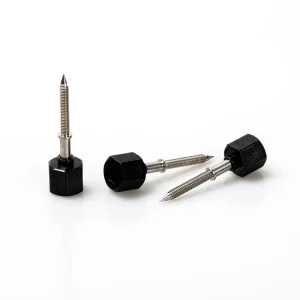
Electrical panel fasteners (also known as electrical panel clamps, electrical panel connectors, or other names) are designed for connecting electrical panels to their intended enclosures (e.g., walls, or other mounting surfaces). Fasteners serve the primary function of ensuring that electrical panels are stable, insulated, and safe from a mechanical perspective in any electrical system regardless of whether it is a residential system, a commercial building, or part of an industrial facility. The electrical panel(s) represents the “heart” of that electrical system, thus it is imperative that they are installed properly in order to mitigate risks that result in malfunction or inadvertent damage to the system and therefore to the people who use it.
Fastener systems designed for structural applications endure environmental stressors, such as vibration, mechanical load and corrosion; on an application-specific basis. Distributing fasteners in the right location and choosing the best product will ensure long-term performance of electrical equipment with little or no maintenance required.
Selecting the best fastener design is important for various setups within electrical installations. Below are examples of the most common fastener designs to use in conjunction with the electrical service panel:
1. Screws
Electrical panels use screws as fastener types to provide the most versatility, efficiency, and reliability. Fastener screws come in many different thread types, lengths, and materials to meet specific needs. A great advantage of screw use is that they can easily be installed or uninstalled, which make them perfect for use in electrical panel applications needing frequent access.
2. Bolts and Nuts
Heavy rough fasteners like these are typically used to secure larger/heavier electrical panels. The bolt provides the necessary strength, while the nut allows for a tight and secure hold. When a strong and durable connection is needed, bolts/nuts are an excellent choice.
3. Rivets
Permanent fastening devices known as Rivets are frequently used as connectors for Metal Enclosures. They create a secure and tight connection; thus, they can be utilized for installation where there will be no required access to the interior of the panel on a regular basis.
4. Clips and Clamps
Panel clips are non-permanent fasteners that provide a secure means of fastening panels to structures and brackets. Panel clips are suitable for applications where the panel needs to be moved or adjusted on a regular basis, such as in electrical systems.
5. Panel Latches
Latches are a common choice for enclosures where you need to have safe but easy access to the contents. Users can easily access and shut the panels without needing to remove any screws or bolts.
Robust materials are necessary for fasteners to ensure lasting service. Generally used in manufacturing electrical panel fasteners include:
1. Steel
Steel is the most commonly used fastener material in electrical applications because of its strength and ability to sustain high stresses. Steel fasteners are typically zinc-coated to help prevent corrosion.
2. Stainless Steel
Due to their amazing rust and corrosion resistance, stainless steel fasteners are the best option for environments that will be exposed to either moisture or chemicals.
3. Aluminum
Aluminum is a corrosion-resistant material with a low density that makes it a good choice whenever you’re concerned about the weight of the component. However, its lower density also makes it weaker than steel.
4. Plastic
Plastic fasteners keep you from being able to conduct electricity, making them great for projects where there are lighter panels that need to be electrically isolated from each other and from other parts of your project.
Electrical panel fasteners have many uses that go beyond just keeping the panels secure. There are multiple purposes for these fasteners in residential as well as industrial applications.
1. Safety
Users and technicians are protected from hazards when fasteners hold electrical panels securely in place. Loose electrical panels can lead to an electrical shock or fire hazard if they become loose enough to expose live wires.
2. Structural Integrity
Over time, vibrations and outside forces will destabilize electrical panels. Fasteners provide stabilization and rigidity, protecting the internal components of a panel and ensuring the panel is in the correct position despite different conditions.
3. Electrical Performance
A properly secured panel reduces potential harm from vibrations or disconnection as they allow for an even more reliable and steady flow of electrical current.
4. Accessibility
By using fasteners such as screws and latches, you can quickly and easily access the inside of the panel for maintenance or repairs; saves time, and helps achieve a professional-looking end-product with the least effort.
1. What are Electrical Panel Fasteners?
A category of hardware engineered to secure electrical panels, providing stability, safety and dependability for electrical systems.
2. What types of Electrical Panel Fasteners exist?
Screws, bolts, nuts, rivets, clips, clamps, and panel latches are some of the most common fasteners. Each of these fasteners has a purpose and is used based on the type of installation needed.
3. Why are Electrical Panel Fasteners Important?
Fasteners for electrical panels are very important to ensure a safe installation and an efficient operation. Fasteners for electrical panels will help reduce the risk of an electrical hazard and protect the wiring and circuit inside the panel. They also allow for easy access to conduct maintenance.
4. Can I reuse old Fasteners?
Fasteners such as screws and bolts can be reused or replaced based on their state; therefore it is suggested you evaluate their condition before using them again. By replacing fasteners periodically, you help maintain the structural integrity of the electrical panel installation.
5. What factors should I consider while choosing fasteners?
When selecting the right fasteners, you should consider numerous factors: the weight of your panel; the environmental conditions where your panel will be located (e.g. humid climate, chemical exposure); and the frequency that you need to maintain your panel.
Ultimately, electrical panel fasteners represent a small but very important component to maintain both the safety and effectiveness of an electrical system. You have many types of fasteners, with a large assortment of material options, that need to be a consideration based on the application of each fastener for your installation. Fasteners will vary in design and include screws, rivets, clips and clamps, among other styles of fastening devices, and each fastener has specific designs, advantages, and uses, therefore it is very important that you take the time to learn about how to select fasteners and use those fasteners appropriately, as this will contribute greatly to the longevity, reliability and safety of your electrical installations.

 TNHO
TNHO 


