Electrical components must be fastened together to provide a secure and reliable means of operation for electrical devices. For this reason, electrical nuts and bolts are critical to the reliability and performance of some electrical systems. In this article, we will discuss the various types, uses, and benefits of electrical fasteners to educate new and experienced professionals about their application in the electrical industry.
Electrical bolts and nuts Electrical fasteners are created specifically to ensure that your electrical components are properly connected and securely fastened together. They are made to support electrical loads, and frequently their materials and/or coatings will provide such attributes as corrosion resistance, electrical conduction, and thermal stability. It is imperative to be knowledgeable about the various types of electrical fasteners available in order to select appropriate fasteners for different use cases.
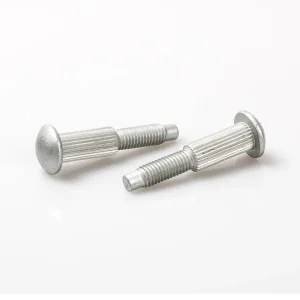
There are several types of electrical bolts and nuts designed for various applications:
1. Nuts & Bolts: These are the most frequently utilized fasteners due to their hexagonal shape which makes it easy to handle them using a wrench.
2. Socket Bolts & Nuts: Commonly found in tight areas, socket head bolts can withstand high torque when fastening and are therefore well suited for making good electrical connections.
3. Set screws and nuts are fasteners that can be utilized to tighten an object in a drilled hole or to hold together two pieces without any visible thread from the bolt.
4. Insulated Bolts: Insulated bolts are made of insulative material so that there will be no electrical conduction between them. This makes these types of bolts suitable for applications where live parts may come in contact with each other creating a potential safety hazard.
5. Lock Nuts: These types of nut help to prevent loosening caused by vibration so that their fit remains secure in situations where motion is present.
The applications of electrical bolts and nuts are vast and varied. They are commonly used in:
1. Power Distribution Equipment: Fastening panels and enclosures that house electrical components.
2. Machinery and Automotive: Securing electrical components within machines and vehicles.
3. Battery Connections: Ensuring proper connections and voltage transfer in battery systems.
4. Lighting Fixtures: Holding light components together and connecting them to the power source.
5. Telecommunications: Supporting the assembly of essential network systems and equipment.
The benefits of utilizing electrical bolts and nuts include:
1. Durability: These fasteners are created from tough materials that can last through extreme conditions and resist rusting.
2. Specialized designs, like insulated bolts, enhance safety by minimizing the potential for unintentional electrical conduction.
3. Efficiency: The ability to install rapidly and easily adjust during maintenance make these fasteners very efficient.
4. Many Versatile Applications: The numerous designs of these items make them suitable for application in many different types of industries. An example of such would include construction, automotive manufacturing, etc…
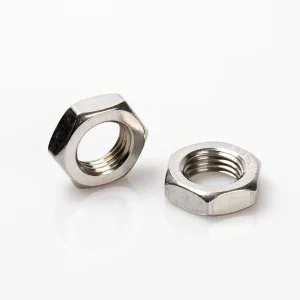
Electrical Fasteners are Electrical Fasteners (bolts; nuts) Specifically Designed for Electrical Applications in Which They Will Provide a Safe, Secure and Durable Connection. Electrical Fasteners Are Made From Materials That Are Suitable to Support The Electrical Load.
They are used in power distribution apparatus, machines, battery terminals, light fixtures, and telecommunications and so on.
Benefits include long-lasting, safe, easily installed, and adaptable to various types of jobs or projects.
To summarize, knowing the different types of electrical bolts and nuts, and when they are appropriate to use is important for those who work in either electrical or engineering industries. Selecting the correct fastener for an application will create both safe and functional designs, which will allow projects to be completed with confidence and dependably.

 TNHO
TNHO 


