A combination screw washer order RFQ review is useful when it preserves what is known, what remains open, and who owns approval. It does not turn a product label, image, or earlier sample into proof that a configuration is suitable for an assembly.
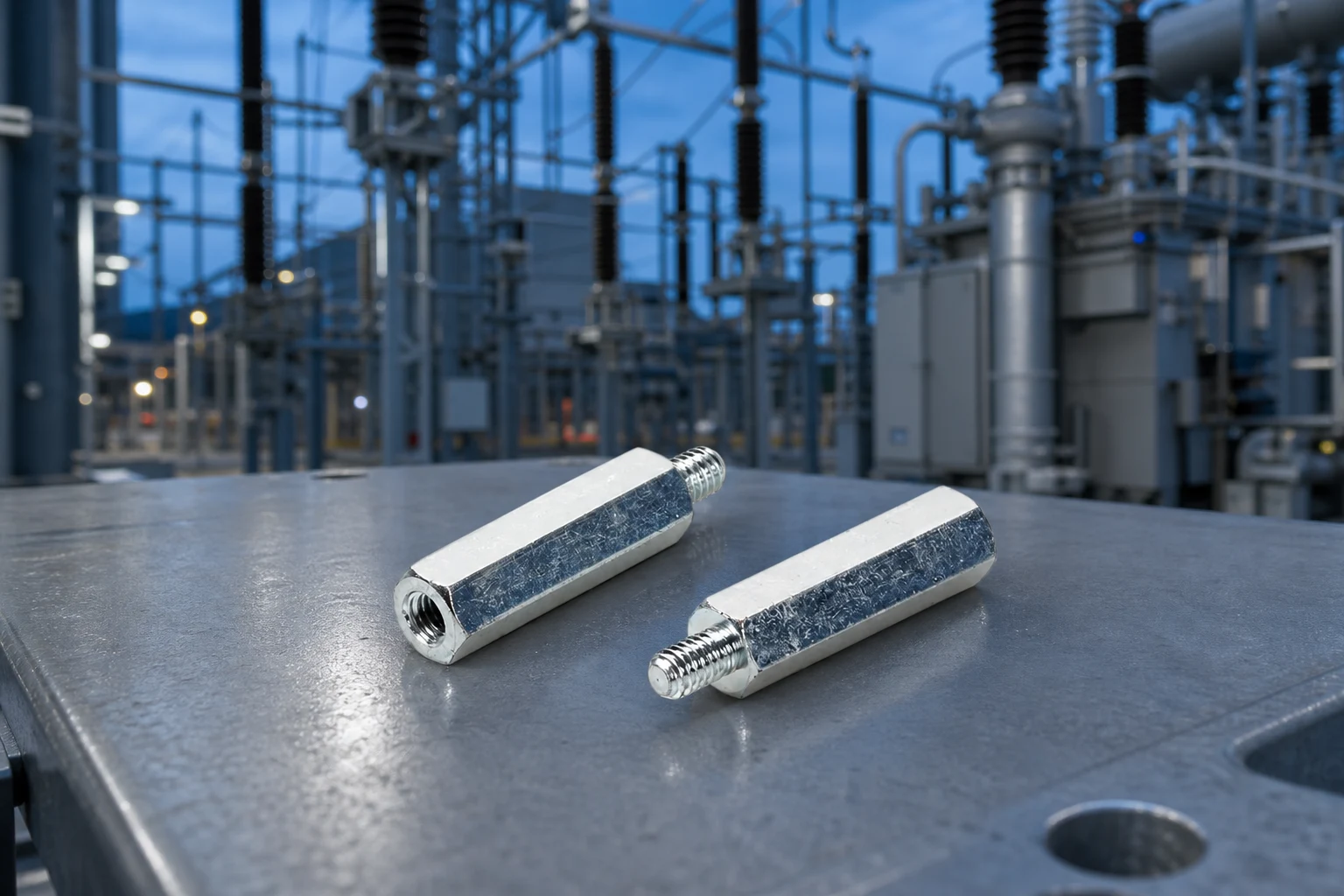
Start the combination screw washer order RFQ process by naming the current assembly decision rather than by naming a generic fastener. Record the drawing revision, the assembly owner, the specific interface under review, and the business question that must be answered before a quote can be compared. A product photograph or an earlier purchase description can help locate a discussion, but neither one defines the next controlled requirement.
The boundary matters because a supplier, buyer, and engineering reviewer can otherwise be answering different questions. One person may be checking a visible feature, another may be trying to identify a quoted item, and a third may assume that a prior sample establishes acceptance. Put those questions in separate fields. The RFQ can then distinguish an observed feature from a requirement supplied by the assembly owner.
Use a small evidence pack that travels with the RFQ. It should include the current drawing or the drawing reference, the relevant photographs with a view label, a sample identifier when one exists, quantities, and a list of unanswered questions. Keep each item attached to the same revision so that the buyer can see which document was used for each request.
An evidence table helps prevent a visual clue from becoming an unstated specification:
| Evidence item | What to record | Owner |
|---|---|---|
| Drawing reference | Revision and affected interface | Assembly owner |
| Sample or photo | View, identifier, and observations | Requester |
| Quote input | Quantity and delivery destination | Buyer |
| Open point | Exact question and approval owner | Engineering |
| Supplier response | Proposed interpretation or deviation | Supplier |
This structure does not require an unverified performance conclusion. It simply gives every participant the same controlled starting point and makes unresolved conditions visible before release.
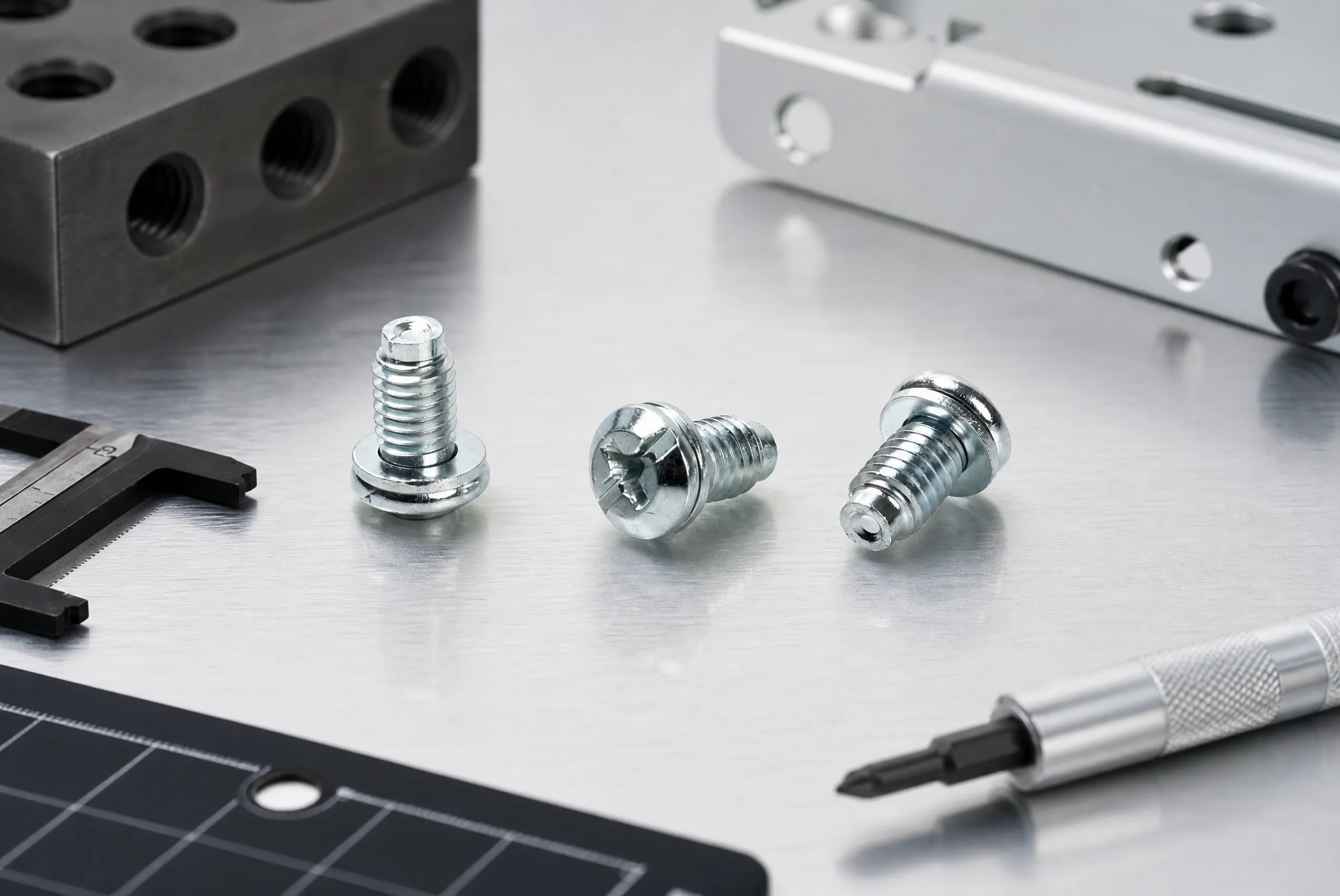
Describe what the evidence shows without adding a claim that it cannot support. For example, a visible head feature, washer order, drive access observation, or marking can be recorded as an observation. Whether that observation is required for the next assembly remains a decision for the drawing owner. If a part number, dimension, finish, material, engagement condition, or inspection criterion is missing, mark it as open instead of guessing.
That distinction is particularly useful when a sample and the current documentation do not align. A buyer can ask the supplier to identify the basis for a quotation, while engineering decides whether the controlled requirement needs an update. The record should not imply that TNHO or any supplier has validated a load, torque, sealing, corrosion, electrical, safety, compliance, service, or lifecycle result unless project-specific evidence establishes it.
Send one controlled package to each potential supplier. Provide the current revision, quantity breaks, delivery location, relevant evidence references, and a contact for questions. Ask suppliers to label any assumption, alternative, or missing input instead of silently incorporating it into their quotation. This makes the resulting quotes comparable without forcing an engineering decision into a purchasing description.
For a combination screw washer order RFQ request, buyers can use a simple response format: confirmed against the supplied input, proposed alternative, or unable to confirm from the available evidence. That format exposes where the RFQ needs another drawing callout or an owner decision. It also prevents a generic category description from being treated as a release instruction.
This checklist is not a product-selection test, a validation protocol, or a compliance statement. It is not suitable for establishing material grade, dimensions, pull-out, torque, load, security, electrical behavior, corrosion resistance, service life, certification, compatibility, lead time, or system performance. Those decisions need product-specific documentation and the validation path selected by the assembly owner.
Pause the request when the controlled drawing is missing, when the relevant interface cannot be identified, or when a visible feature is being used to infer a performance outcome. Resolve that condition before asking a supplier to confirm an item. Keeping the fit boundary explicit is a practical way to avoid converting incomplete evidence into a procurement commitment.
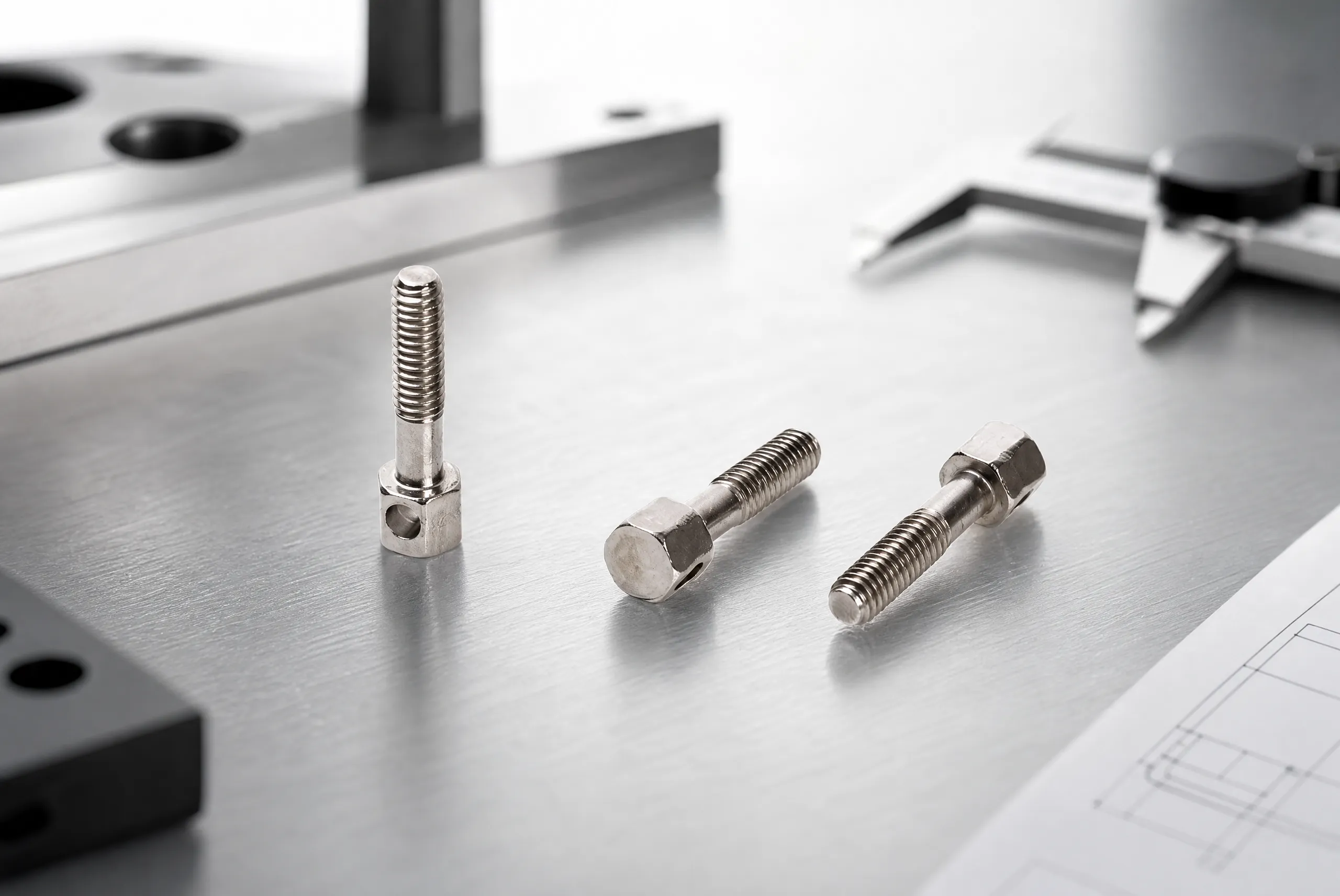
After the controlled inputs are assembled, use the relevant TNHO product route to begin a focused product or service discussion. The linked destination verifies that TNHO presents a related route; it does not replace the drawing, establish a model-specific property, or approve the final assembly.
For an RFQ, send TNHO the controlled package with the current revision, quantity, evidence references, and clearly labeled open points. Readers who need broader context can also review Electric Meter Fastener Guides and TNHO products. Product recommendation: use the linked TNHO route only when the buyer can provide controlled inputs. Do not recommend it where suitability must be inferred from a photo, label, or unverified performance expectation.
Before release, retain a concise record beside the controlled drawing. Include the revision reviewed, evidence identifiers, supplier responses, decisions made, remaining exceptions, and the person authorized to close each exception. This provides a traceable link between an RFQ, a sample observation, and a purchase decision without treating any one of them as a substitute for the requirement.
For repeat orders, do not reuse an earlier photo or email description unless the assembly owner confirms that it still corresponds to the current revision. Surrounding clearance, access sequence, mating features, and acceptance needs can change even when a product name remains familiar. A controlled record helps the next buyer ask a specific question and helps the owner choose the required approval action.
Start with the current controlled drawing reference, the assembly interface, and the person who owns approval.
No. A photo can document an observation, but it does not replace the controlled requirement.
Include the revision, quantities, delivery destination, relevant evidence references, and a list of open questions.
Ask the supplier to label assumptions or alternatives so the buyer and assembly owner can review them.
No. Product performance and compliance require project-specific evidence and the validation selected by the assembly owner.
Pause when the controlling drawing, interface, approval owner, or acceptance condition is unclear.
Use the TNHO route in Part 6 and send the controlled evidence package with the RFQ.

 TNHO
TNHO 


