OEM Sample Approval: Drawing Revision Workflow should be reviewed from the controlled drawing revision, documented acceptance criteria, and the evidence that travels with the sample. The product name alone does not establish suitability for a particular assembly.
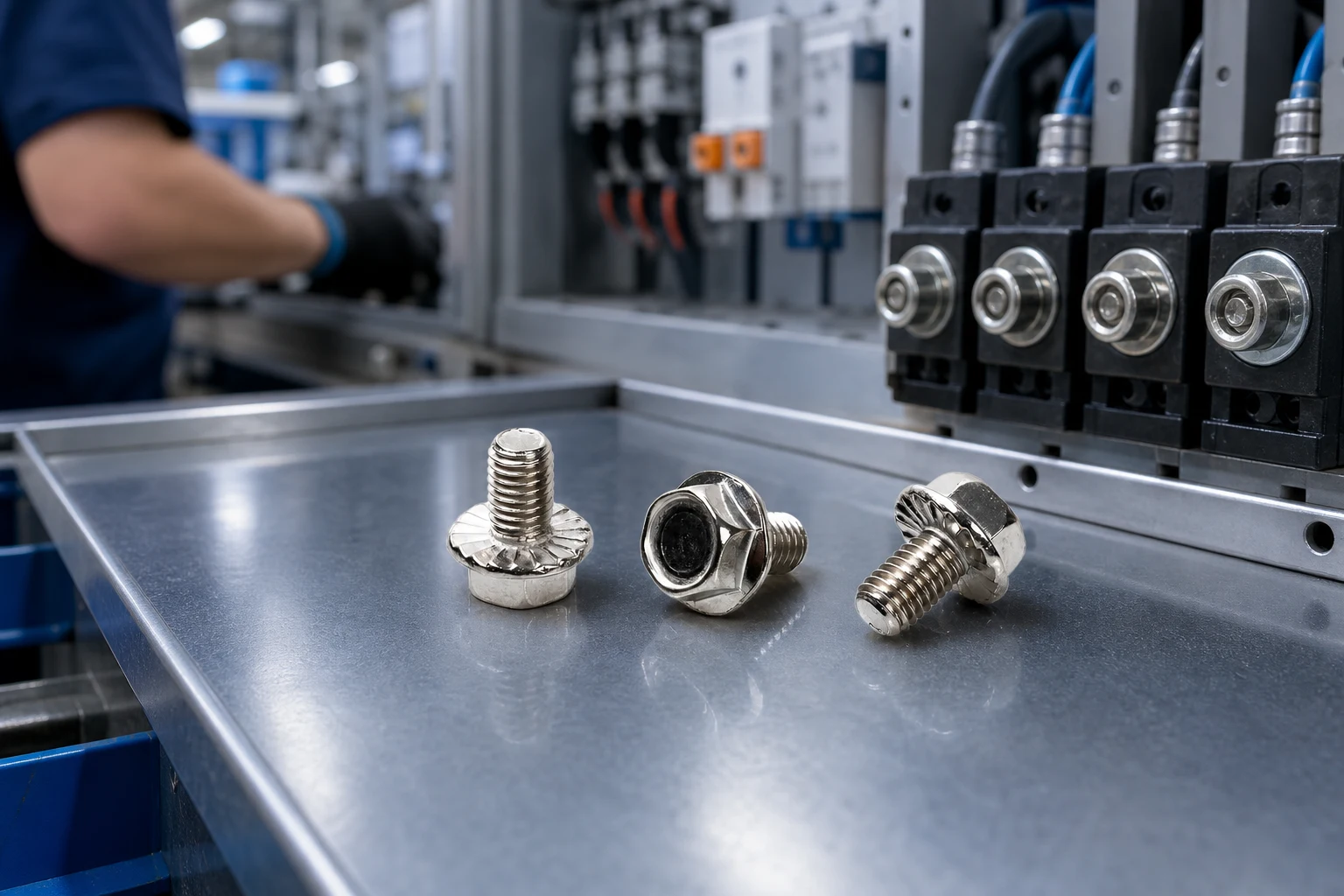
An OEM fastener sample approval decision starts with the current assembly drawing and the revision that is allowed to control the sample. A photograph, prior shipment, or informal sketch can help identify a discussion route, but it does not establish geometry, finish callouts, mating features, or acceptance for the next build. Begin by naming the components being joined, the revision identifier, and the person who owns technical approval.
Write the purpose of the sample before comparing alternatives. State whether the sample is for geometry check, assembly trial, packaging review, or another defined purpose. That single sentence prevents a visually similar part from becoming an unreviewed substitute later in purchasing.
Treat the sample as evidence that must be mapped to the drawing. Photograph the relevant views, mark observed features against the controlled dimensions, and list anything that cannot be verified from the sample. Keep those notes with the revision rather than in a private chat thread that disappears when ownership changes.
A review table makes the handoff clearer:
| Review input | Question to record |
|---|---|
| Current drawing | Which revision controls the sample acceptance? |
| Sample purpose | Geometry check, assembly trial, packaging, or another defined purpose? |
| Mating feature | What thread, hole, shoulder, or receiving feature is actually shown? |
| Observed deviation | Which features differ from the drawing and who must decide? |
| Acceptance owner | Who can approve, reject, or request a revised drawing? |
Do not convert an unanswered row into a product claim. Keep it open until the assembly owner confirms it.
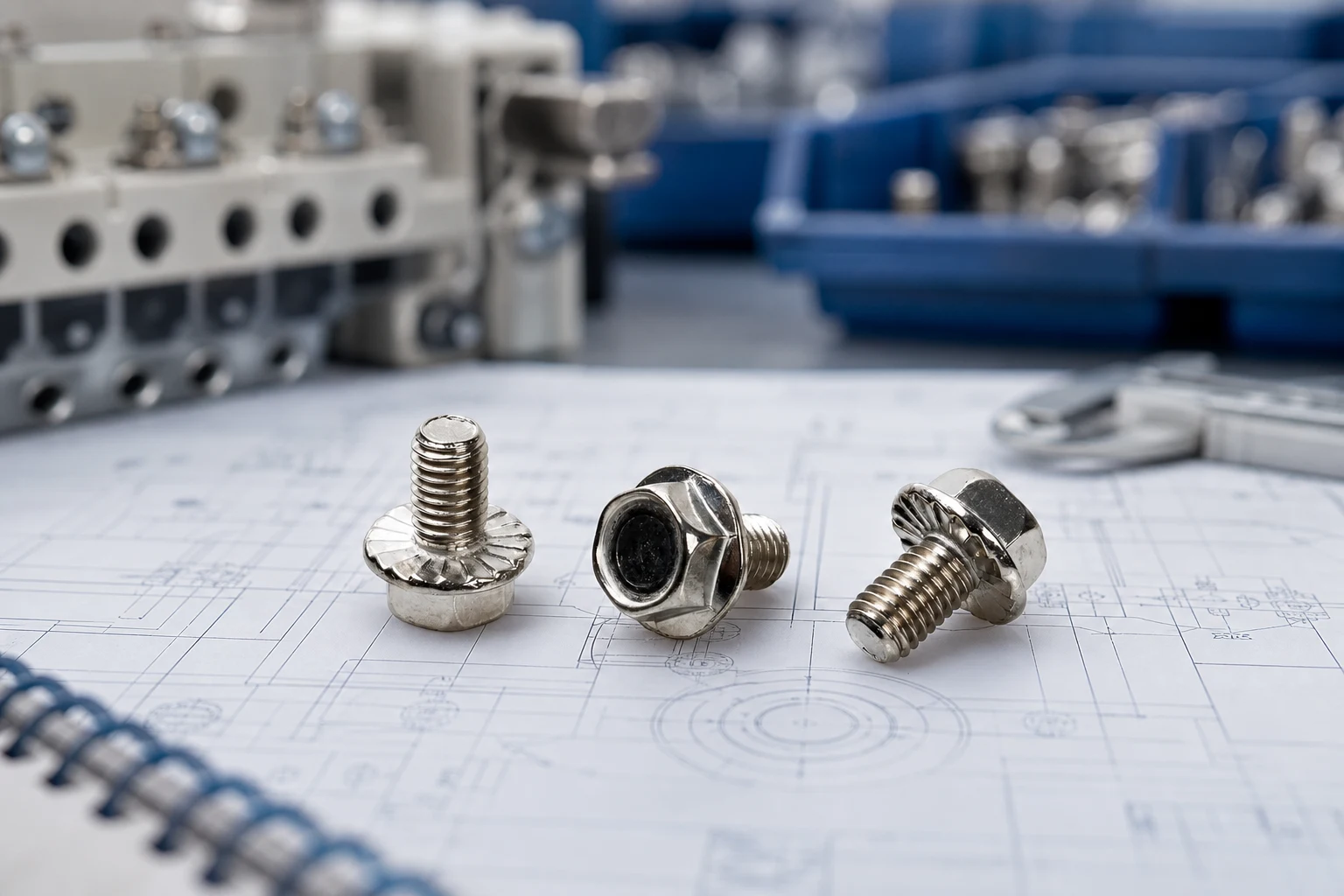
For OEM fastener sample approval work, ask which measurements or observations will be compared, which views must be photographed, and whether a marked-up drawing is required before purchasing can proceed. If the sample changes head envelope, drive, shoulder length, engagement, or finish callout, the drawing owner should decide how the change is represented and approved.
Keep language precise. Say that a condition is confirmed, proposed, or unknown. Avoid treating a supplier suggestion as an approved requirement until the revision is updated or an explicit exception is recorded.
Ask every supplier to quote the same controlled package. At minimum, provide the current drawing revision, the sample purpose, quantity breaks, required delivery destination, any defined packaging or inspection need, and a contact for technical questions. If a condition is unknown, flag it as unknown instead of inviting each quotation to assume a different requirement.
A useful quotation comparison distinguishes confirmed requirements, alternatives proposed by a supplier, and items awaiting engineering direction. That structure is more dependable than comparing marketing descriptions alone. It also gives the buyer a place to record a deviation before purchase release.
This article does not prove that any specific OEM fastener sample approval configuration meets a load, torque, sealing, corrosion, electrical, safety, certification, or lifecycle requirement. Those outcomes depend on a defined joint, product-specific documentation, and the validation chosen by the system owner.
The topic is less suitable when the current drawing is unavailable, the sample purpose is undefined, or a performance requirement is being inferred from a category name. In those cases, first obtain the controlled assembly inputs and identify the required validation path.
Once the controlled inputs are ready, use the TNHO custom fastener service route as a starting point for a focused discussion. The destination confirms that TNHO provides a relevant custom-service path; it does not replace the project drawing or establish an unlisted property.
For the next step, send the controlled drawing and RFQ inputs with quantities, the current revision, the sample purpose, and any acceptance information. For broader navigation, see TNHO industrial fastener categories and Electrical Fasteners: Some Basic Information.
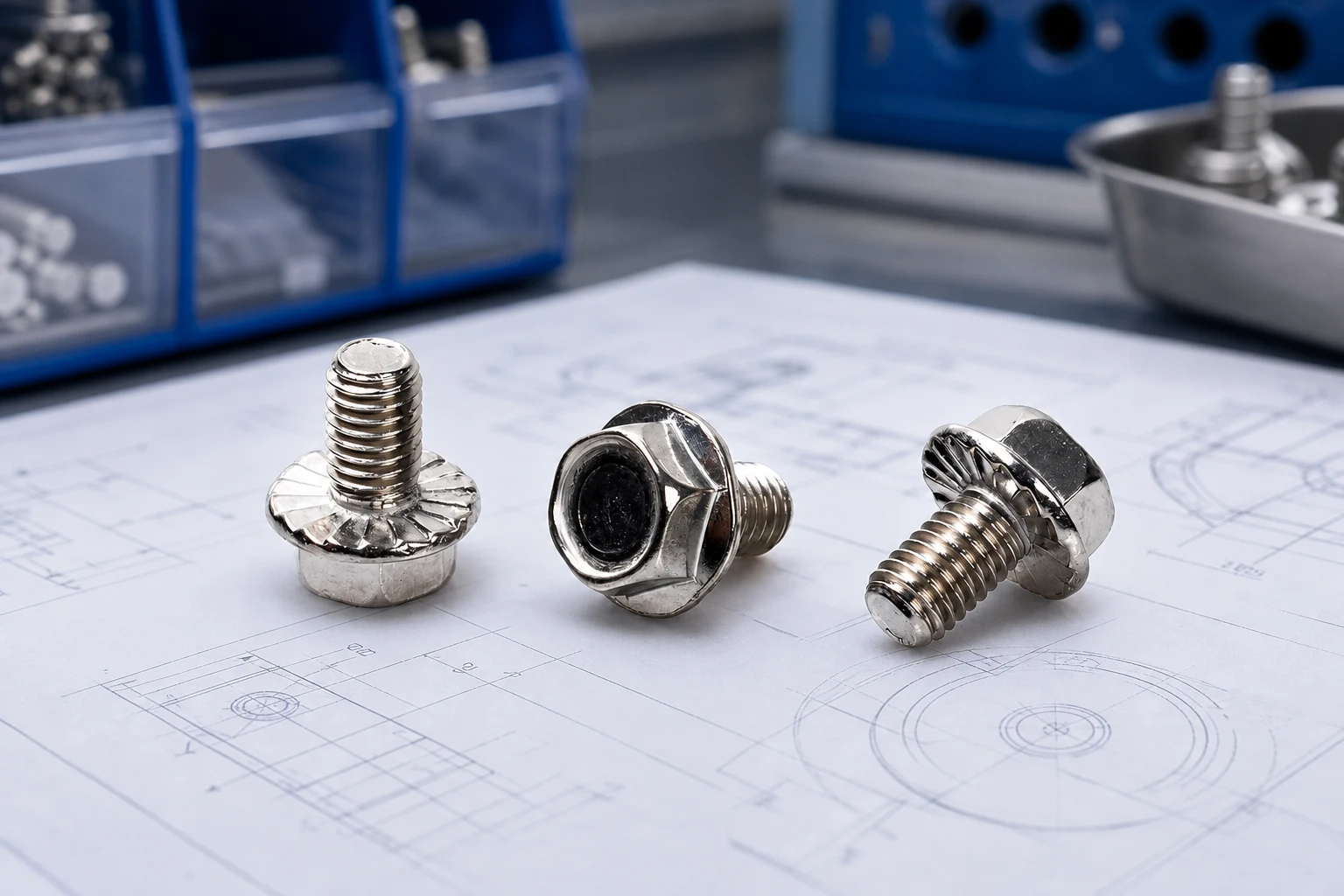
Before release, assemble a short decision record beside the drawing. It should identify the revision reviewed, the sample purpose, the relevant interface observations, the unresolved questions, the proposed purchasing description, and the person who can approve or reject a deviation. This is not extra paperwork for its own sake. It keeps a quotation, a sample, and a production order connected to the same controlled requirement instead of allowing each stage to use a different informal description.
The record also makes review boundaries visible. A buyer can state that a dimension, finish callout, packaging need, or inspection point is supplied by the customer; a supplier can identify what has not been confirmed; and engineering can decide whether a proposed alternative needs a revised drawing or a documented exception. None of those actions should be read as evidence that an unnamed product will meet a system requirement. They are a method for making the right validation question visible before the release date.
For repeat work, retain the approved sample reference only with its exact drawing revision and acceptance decision. Do not use a prior photo or purchase description as a shortcut when the assembly interface has changed. A small change in surrounding clearance, access sequence, or receiving feature can make an earlier observation irrelevant. Keeping the record controlled helps the next buyer ask a precise question and helps the assembly owner choose the required confirmation.
When the package is ready, send the current revision, quantities, contact details, and any defined acceptance criteria together. If a critical point is still open, label it as open and assign an owner rather than masking it with a generic fastener term. That discipline supports a useful TNHO service discussion while leaving final suitability, validation, and approval with the system owner.
Repeat buyers should also document which photographs, marked drawings, and written decisions are retained after the first approval. Without that retention rule, a later purchase order can quietly drift away from the accepted sample. The drift is often invisible until an assembly trial fails or a service visit reveals a different head envelope, drive, or mating length than the one engineering believed was controlled. A short retention checklist is therefore part of the OEM fastener sample approval workflow, not an optional administrative afterthought.
Finally, keep category browsing and revision control separate. Category pages help discovery; the drawing revision controls acceptance. Mixing those roles is how informal sample language becomes an unintended production requirement. Keep discovery useful, keep acceptance controlled, and escalate anything that still lacks an owner.
Confirm the current drawing revision, the sample purpose, the mating interface, and the person responsible for approval.
No. It can help identify a discussion topic, but it does not establish the project requirement.
Include the current revision, quantities, sample purpose, relevant interfaces, and defined acceptance information.
No. Performance and compliance need product-specific evidence and the validation required by the assembly owner.
Escalate it when access, mating geometry, sample purpose, or acceptance ownership is unclear.
Use the TNHO route in Part 6 together with the controlled drawing and a concise RFQ package.

 TNHO
TNHO 


