Blind-Hole Clinching Features: What to Confirm Before a Sheet-Metal RFQ focuses on confirmation items that belong in a sheet-metal RFQ when the receiving feature is a blind-hole clinching interface. It is not a stud-versus-nut selection matrix and not a general enclosure testing guide.
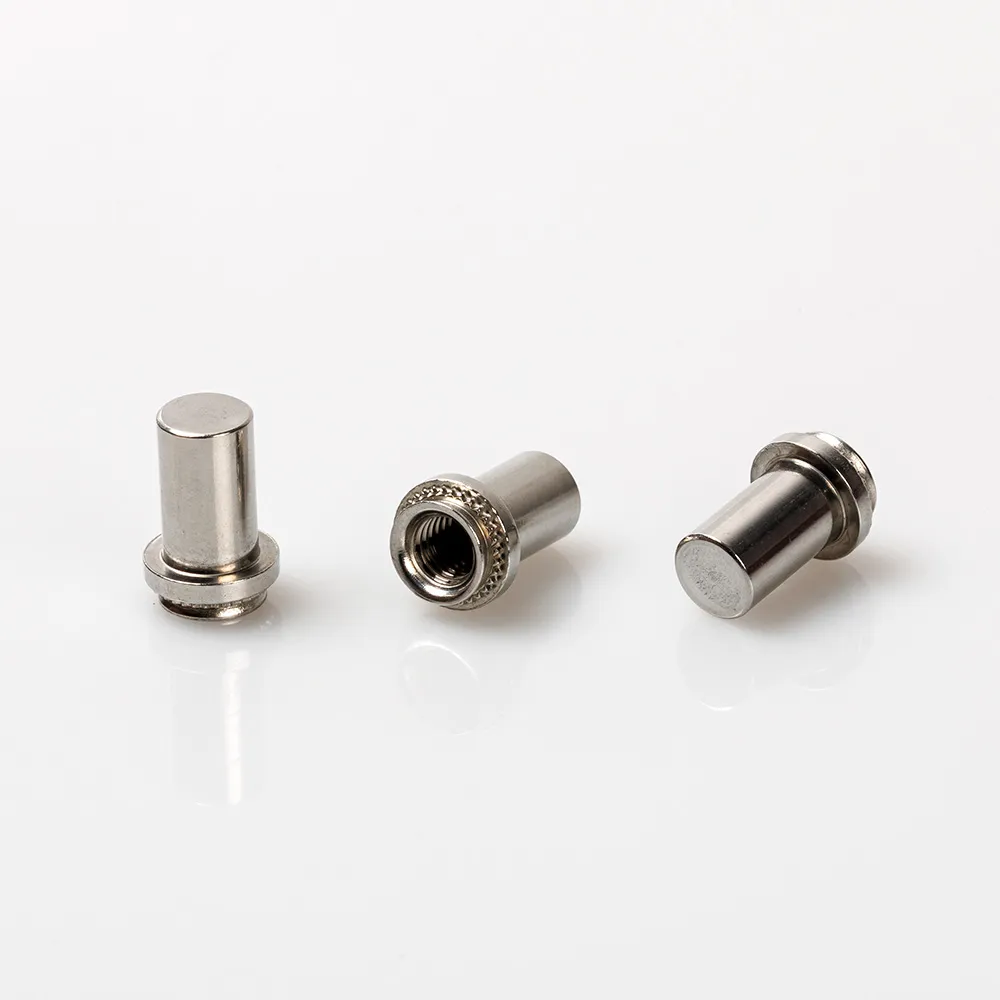
Blind-hole clinching requests fail when the RFQ describes a fastener family but omits the sheet condition that makes the clinch feature installable and inspectable. Begin with the controlled sheet-metal drawing revision, the side from which installation occurs, and whether the clinch feature must remain closed on one face.
Name the joined modules, the person who owns technical approval, and the inspection step that will later confirm presence or orientation. If the team cannot say whether the hole is intended as a blind clinch feature, do not force a product name into the RFQ. Resolve that interface definition first.
Before suppliers price a blind-hole clinching part, confirm the sheet thickness callout, hole preparation notes that appear on the drawing, backside clearance if any, and which face must remain free of an open through-path. Also record tool access for installation and later service, because a clinch feature that can be pressed in a fixture may still be unreachable after surrounding parts arrive.
| RFQ confirmation item | Question to record |
|---|---|
| Sheet drawing revision | Which revision controls the clinch location? |
| Sheet thickness callout | What thickness is shown at the clinch site? |
| Hole / feature prep | What hole or prepared feature is actually drawn? |
| Blind-face requirement | Which face must remain closed or free of a through opening? |
| Installation access | From which side will the clinch operation occur? |
| Later access | Does service or inspection still need tool path after assembly? |
An unanswered row remains an open engineering question. Keep it visible rather than letting each supplier invent a different sheet assumption.
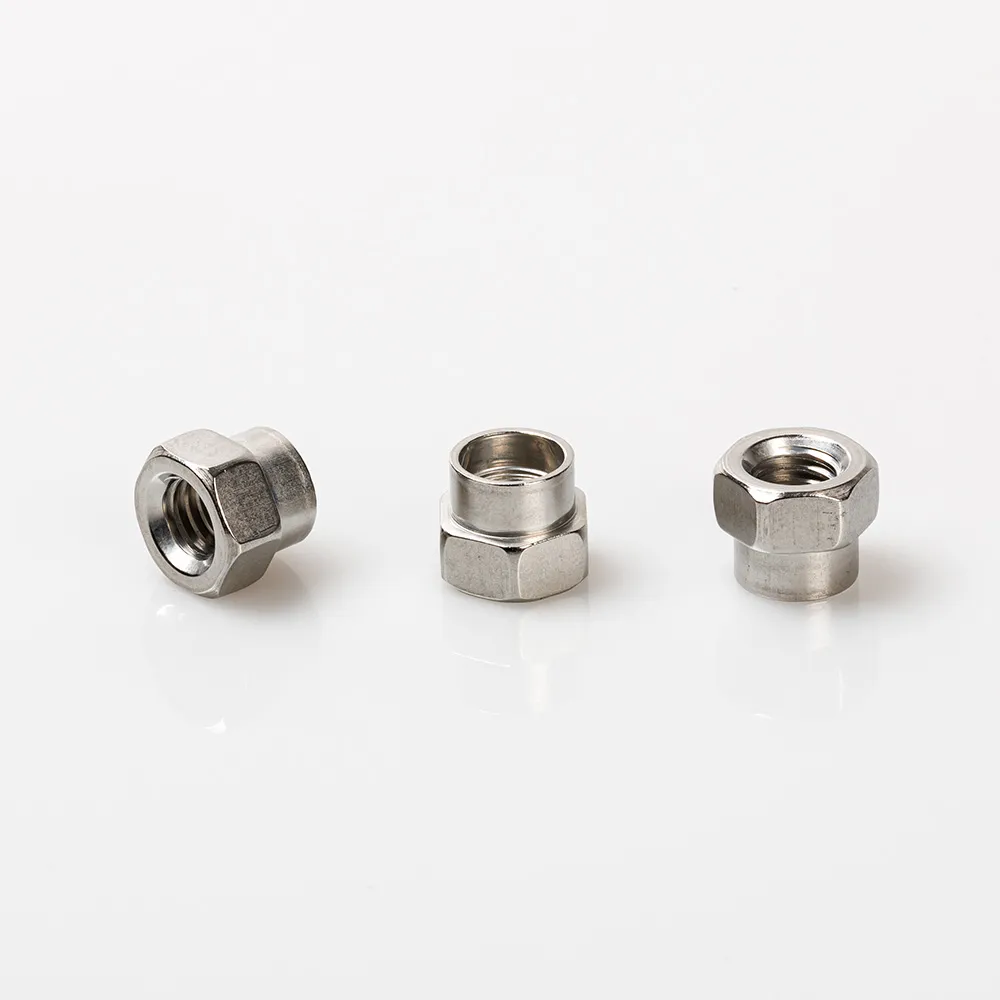
A clinch sample can show what was previously installed, but it does not recreate sheet thickness, hole preparation, or the blind-face requirement for a new revision. Photograph relevant views, mark what can and cannot be verified, and keep that note beside the drawing rather than replacing it.
If a photo is the only available lead, label it as identification evidence and list the missing sheet inputs. That prevents a visually similar clinch part from becoming an unreviewed substitute for a different sheet stack.
Give every supplier the same confirmation package: current sheet drawing or allowed extract, quantity breaks, destination, defined packaging or inspection notes, and a technical contact for open clinch-feature questions. State explicitly that the request concerns blind-hole clinching confirmation, not a broad enclosure fastener catalog search.
Separate requested sheet conditions from supplier-proposed alternatives such as a different clinch style or an open-through option. Route those alternatives to the drawing owner before purchase release.
Surrounding parts sometimes change access between press installation and final assembly. Add a short sequence note that identifies the step at which the clinch feature is installed and the step at which it is inspected. This sequence detail improves quotation comparability without claiming pull-out, torque, or sealing performance.
Pull-out resistance, push-out resistance, torque capacity, corrosion behavior, electrical continuity, sealing, safety, certification, and lifecycle results are outside this review. Those outcomes depend on product-specific evidence and the validation chosen by the system owner.
Pause the RFQ when sheet thickness, hole preparation, blind-face requirement, installation side, or acceptance ownership is unknown. Asking suppliers to fill those gaps silently creates non-comparable replies.
Once confirmation items are ready, use the TNHO self-clinching nut and standoff page to start a focused product-family discussion. The destination shows related self-clinching nut and standoff routes. It does not replace the sheet drawing or establish an unlisted clinch property.
Next, send the sheet drawing and RFQ confirmation list with quantities, revision, blind-hole requirements, and open access questions. For broader navigation, see TNHO industrial fastener categories and Electrical Fasteners: Some Basic Information.
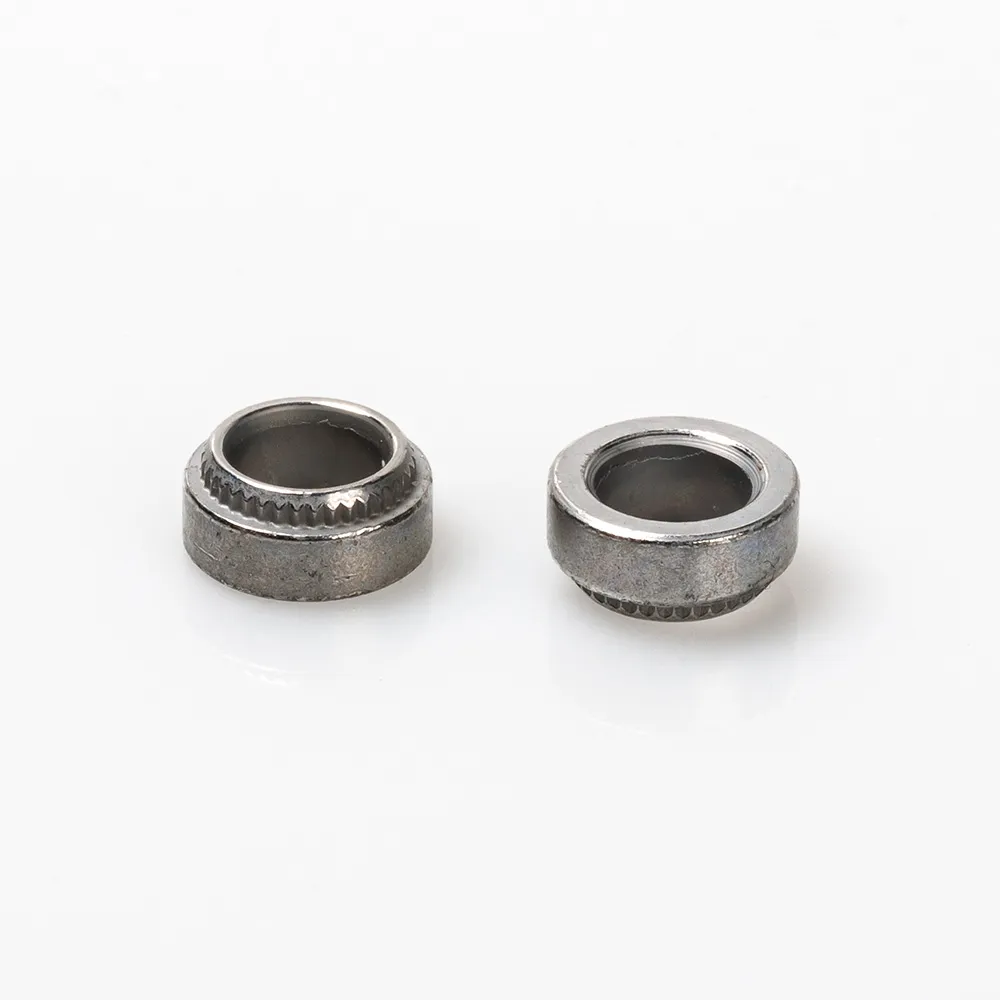
Confirm the sheet revision, thickness callout, hole or feature preparation, blind-face requirement, and installation side.
Selection matrices compare product families. This article lists RFQ confirmation items for a blind-hole clinching sheet interface.
No. A sample can support identification, but sheet inputs must come from the controlled drawing.
One confirmation package, labeled open items, and clear separation of supplier alternatives.
No. Performance requires product-specific evidence and assembly validation.
Use the product route in Part 6 with the sheet drawing and confirmation list.

 TNHO
TNHO 


