Machine screws are a very important type of fastener that serve many purposes in many different industries. In order to improve the overall efficiency and durability of a project, you should have an understanding of how they can be used. In this article, we will discuss what machine screws are, the different types of machine screws, their benefits and materials and continue with a frequently asked questions section to provide a thorough reference guide to the importance of machine screws.
Machine screws are fasteners used to secure metal pieces by threading into an existing hole and fastening using a nut or tapping into the hole itself. Machine screws differ from wood screws because they are installed in an existing hole versus creating their own thread through the wood material. In addition, unlike wood screws, machine screws are designed for fastening metal pieces together using a regular diameter and a specific pitch.
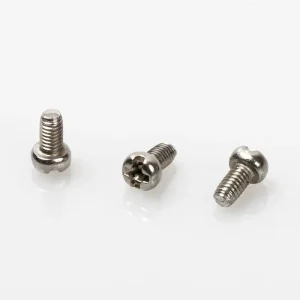
The ability of machine screws to be used in many different ways gives them a lot of different applications. The following are a few of their most common uses:
2. Metal Parts Assembly – Fitting Metals Together Using Machines or Machine Soge. Screw Shapes: Machine screw is the most commonly used screw used to connect metal parts in a mechanical assembly. It gives an extremely strong and secure joint in all types of mechanical assemblies that can endure great loads/stresses.
2. In electronic devices, machine screws hold together various components like: circuit board(s) housing(s) and connector(s). These screws help ensure that the device works properly and safely.
Machine screws are often used in automotive applications because of their dependability when exposed to severe weather conditions and temperatures. They are especially useful for attaching engine parts, body panels, and interior fixtures.
Manufacturing Equipment: Bolt assemblies play an important role in equipment’s durability and reliability by holding the mechanical parts together, providing accuracy and strength to the assembly of machinery.
In terms of construction and infrastructure projects, machine screws provide a strong and long-lasting connection to metal structures, scaffolding, and fixtures while preserving the integrity of the structure.
There are several types of machine screws, each designed for specific applications:
1. Flush Mount Flat Head Screws: Flat head screws provide a smooth finish by sitting neatly on the surface of an object.
2. Pan Head Screws: these have a rounded top; they provide greater holding power and easier to tighten than most other types of screws. Because of this, they are very widely used for general assembly applications.
The hexagonally-shaped machine screw uses a hexagonal head design to be tightened with a wrench and provide significant torque for heavy-duty applications.
A cylindrical head and an internal hex make socket head machine screws well suited for applications that require a lot of torque in confined spaces to support high-load conditions. Socket head screws can be torqued with an Allen wrench.
The use of machine screws offers numerous benefits:
Strength & Reliability: Engineered to exhibit a high load-bearing capability for demanding tasks.
Machine screws are constructed from many types of materials/size combinations, making them one of the most flexible types of fastener and used across a wide range of environments and applications.
– User-friendliness: Their consistent design standardization allows for an easy assembly and disassembling off its various parts.
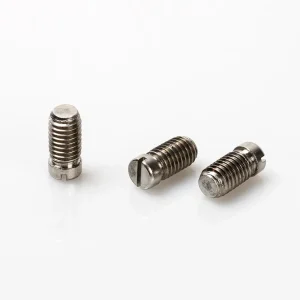
Machine screws are available in an array of materials for different applications:
– Steel: Known for its strength, steel is commonly used and can be coated for corrosion resistance.
Stainless Steel is the material of choice for area’s with exposure to wet environments, as it provides outstanding resistance to both rusting and corrosion.
Brass is commonly used in electronics because of its aesthetic appearance and corrosion-resistance capabilities.
Machine screws made from plastic are lightweight and do not conduct electricity, which makes them ideal for use in electronics, where metal would not be a suitable material.
In conclusion, knowing about the different applications for machine screws, their categories, their materials and their benefits will assist when choosing the best fastener for your project. The automotive, electronic and manufacturing industries all rely on machine screws to create strong and long-lasting assemblies; therefore, machine screws are an essential component in the manufacturing and fabrication industries.

 TNHO
TNHO 


